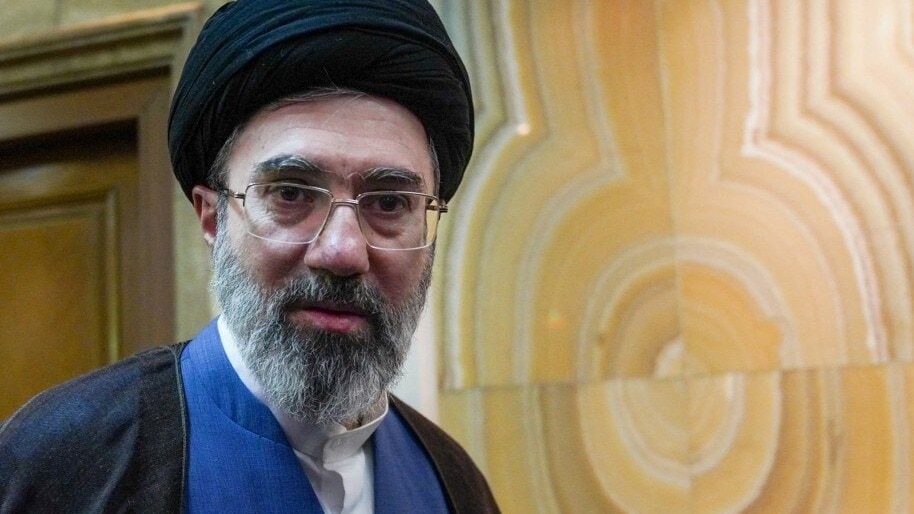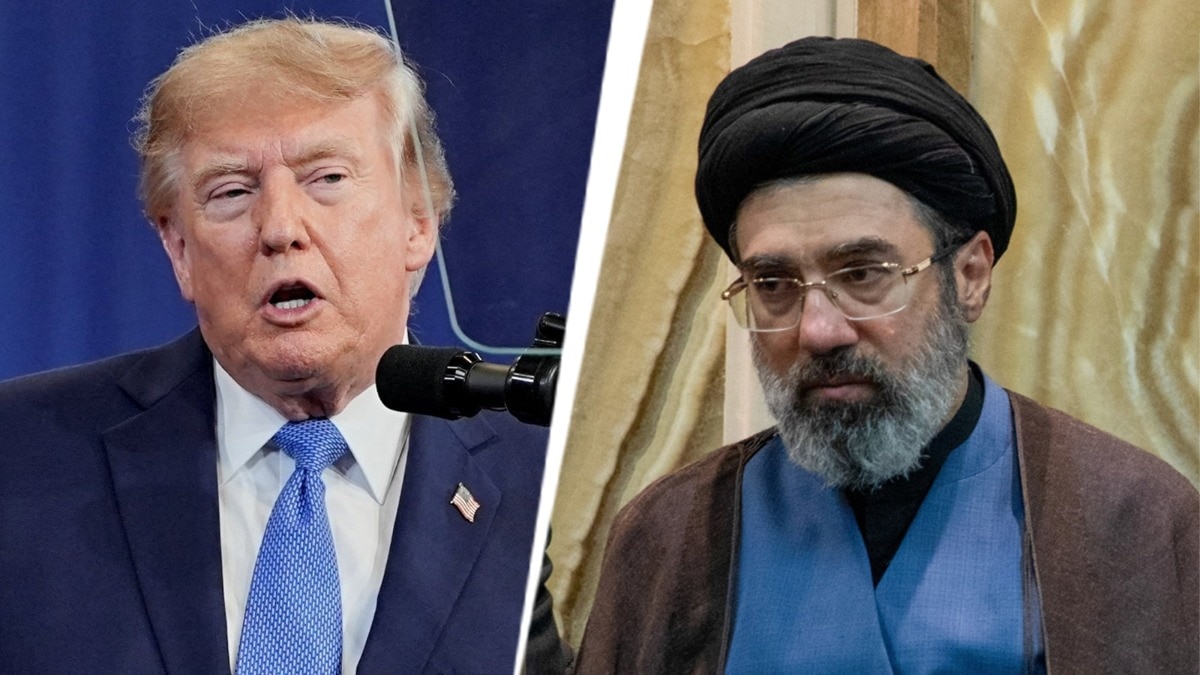
Tehran has issued a fierce response to President Donald Trump's announcement of sweeping economic sanctions, calling the move 'economic terrorism' and a crime against humanity.
- President Donald Trump warned nations providing aid to Iran of severe consequences.
- Iran labeled the US economic measures as 'economic terrorism' and a violation of human rights.
- Tehran invoked the 1953 coup to highlight a long-standing US-Iran hostility.
- The sanctions pose a significant risk to trade partners, including India.
The geopolitical landscape has intensified following President Donald Trump's announcement of a massive economic campaign against Iran. Trump has issued a stern warning to any nation providing financial assistance or goods to Tehran, stating they could face severe repercussions. The primary objective of this US policy is to sever Iran's financial lifelines and isolate its international trade relations.
Why This Matters
BozokMedia analysis shows that this escalation transcends bilateral tensions, potentially disrupting global energy markets and trade corridors. The threat of secondary sanctions means that neutral trading partners, most notably India, may find themselves caught in a diplomatic and economic crossfire as they navigate their existing commercial ties with Iran.
Iran has asserted that economic pressure and military aggression are two sides of the same coin, both aimed at undermining national sovereignty.
In a strongly worded statement shared via the Iranian Embassy in India, the Ministry of Foreign Affairs of Iran dismissed the new sanctions as part of a long-standing policy of aggression. Tehran argued that these measures are not merely political tools but constitute 'economic terrorism' that directly targets the fundamental rights and well-being of ordinary Iranian citizens.
Historical Context: The Legacy of 1953
Deepening the gravity of its response, Iran highlighted the historical context of its friction with the United States. The Iranian government specifically referenced the 1953 coup, noting that the timing of these new sanctions coincides with the anniversary of that event. Tehran views this as a continuation of a 73-year-old hostility aimed at destabilizing the nation.
Furthermore, Iran contended that the 'Maximum Pressure' strategy, which has been utilized in the past, has failed to change the country's trajectory. They warned that continuing this path would not only be ineffective but would also pose a significant threat to global peace and international security protocols.
Frequently Asked Questions
Question 1: How could Trump's sanctions affect India?
Answer: Since India maintains significant trade interests in Iran, particularly in energy, US sanctions could force Indian businesses to choose between the Iranian market and access to the US financial system.
Question 2: What does Iran mean by 'Economic Terrorism'?
Answer: Iran uses this term to describe sanctions that aim to cripple a nation's economy and deprive its citizens of basic necessities to achieve political concessions.