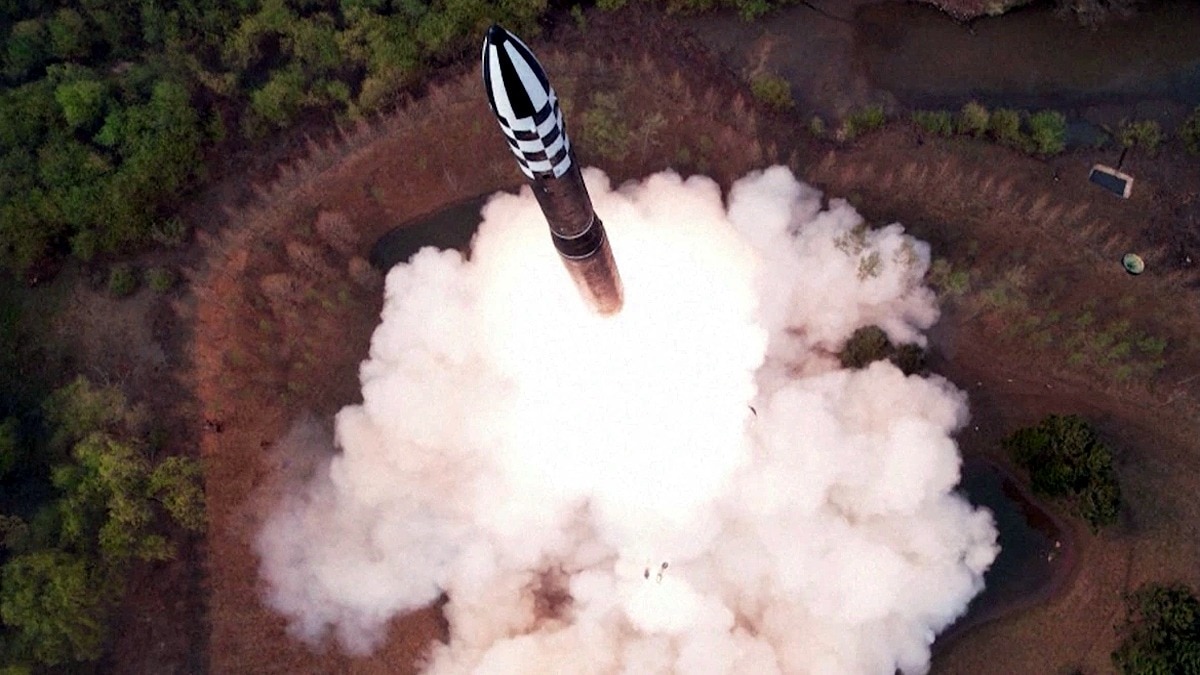
North Korea has intensified its military provocations by launching more than 10 ballistic missiles within a 24-hour period. The sudden escalation has sent shockwaves through Japan and South Korea.
- North Korea conducted over 10 ballistic missile tests in a single day.
- Japan and South Korea have raised high-level security alerts.
- The rapid frequency of tests signals heightened regional instability.
In a massive escalation of military activity, North Korea has launched more than 10 ballistic missiles in a single day, signaling a significant shift in its provocative stance. This unprecedented volume of testing has triggered immediate security concerns across the Korean Peninsula and Japan.
The rapid-fire launches suggest that Pyongyang is testing various types of missile technologies, potentially including short-range and medium-range systems designed to bypass existing defense networks. This move is viewed by many as a direct challenge to the current international order and the effectiveness of global sanctions.
Why This Matters
BozokMedia analysis shows that North Korea's decision to conduct multiple launches in such a short timeframe is designed to overwhelm regional surveillance and defense systems. This pattern of behavior indicates a strategic attempt to demonstrate readiness and technical proficiency in large-scale missile operations.
The sheer frequency of these launches marks a dangerous new chapter in North Korean military doctrine.
Defense officials in Japan and South Korea are closely monitoring the flight paths of these missiles. The rapid succession of launches has forced military commands in both nations to heighten their readiness levels, fearing that these tests are precursors to more significant military maneuvers.
Historical Background
Historically, North Korea has used missile testing as a primary tool of diplomacy and intimidation. Over the last decade, the regime has transitioned from testing basic short-range projectiles to developing advanced Intercontinental Ballistic Missiles (ICBMs) capable of reaching the United States, fundamentally altering the security landscape of the Pacific.
Frequently Asked Questions
1. What is the immediate impact of these missile tests?
The tests increase the risk of accidental military conflict and force neighboring countries to spend more on defense.
2. How are the international community responding?
Nations are calling for increased vigilance and are discussing further sanctions at the UN Security Council.