President Donald Trump's sudden directive to scale back military drills with South Korea has ignited fears over the stability of the long-standing security alliance. The move follows Seoul's refusal to join the US-Israel campaign against Iran.
- President Trump ordered a substantial reduction in annual US-South Korea military exercises.
- The decision stems from South Korea's refusal to support US-Israel operations against Iran.
- Seoul is facing internal pressure to bolster its own self-reliant defense capabilities.
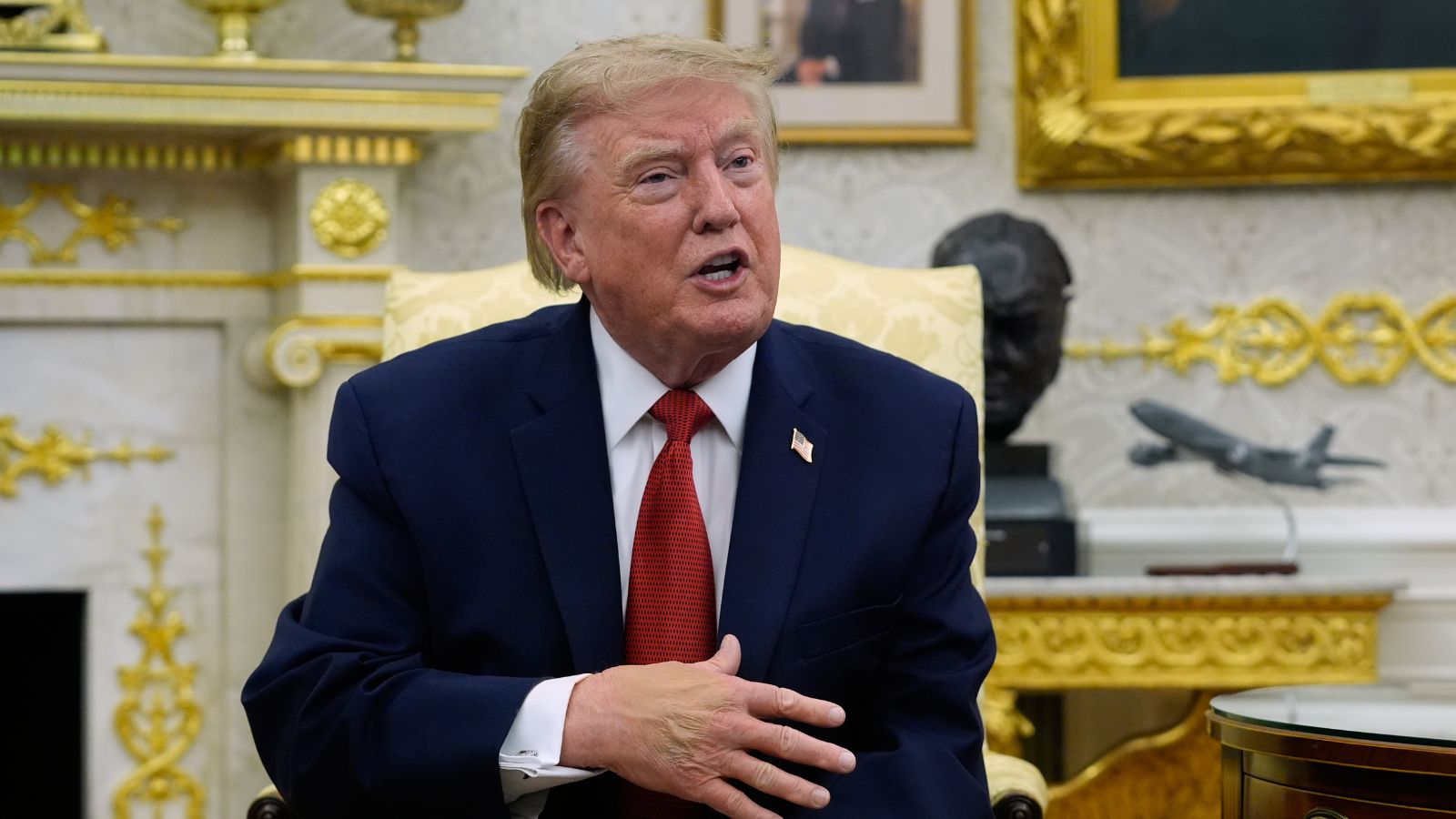
SEOUL, South Korea — In a move that bypassed traditional diplomatic channels, US President Donald Trump took to social media to announce a significant reduction in joint military drills with South Korea. The announcement, made via Truth Social, caught South Korean officials completely off guard, occurring just as the annual exercises were slated to begin. Trump described the drills as sending an "inappropriate and hostile" signal to North Korea.
The underlying tension revolves around the ongoing conflict involving Iran. Trump pointedly criticized Seoul for declining to participate in the US and Israel's military efforts against Iran. This friction has sent shockwaves through the South Korean political establishment, especially as the announcement coincided with a major national holiday.
Why This Matters
BozokMedia analysis shows that this development marks a fundamental shift in US foreign policy, transitioning from predictable security guarantees to a transactional model of diplomacy. The stability of the Indo-Pacific region relies heavily on the predictability of the US-South Korea alliance; any perceived weakening of this bond could embolden North Korean aggression.
The sudden pivot from military cooperation to strategic reduction signals a period of intense volatility for Pacific alliances.
South Korean President Lee Jae Myung has attempted to navigate this crisis by calling for enhanced "self-reliant defense capabilities." While maintaining that the alliance remains essential, Lee signaled a willingness to explore "practical contribution measures" to ensure freedom of navigation in the Strait of Hormuz, a move seen as a potential olive branch to the Trump administration.
However, the domestic reaction in Seoul has been far from calm. Lawmakers in the National Assembly expressed frustration at the lack of prior notification, with Foreign Minister Cho Hyun confirming that neither the South Korean government nor US officials were briefed before the social media post. Public sentiment ranges from deep distrust to calls for complete military independence from the United States.
| Feature | Original Plan | New Directive |
|---|---|---|
| Duration of Drills | 11 Days | 5 Days |
| Scope | Full Field Training | Scaled Back/Reduced |
| Primary Driver | Regional Deterrence | Political/Diplomatic Leverage |
Frequently Asked Questions
1. Why is the US-South Korea military drill being reduced?
President Trump stated the drills send a hostile signal to North Korea and expressed dissatisfaction with Seoul's stance on the Iran conflict.
2. How has South Korea responded?
The government is looking to strengthen its own defense capabilities while attempting to maintain diplomatic ties with Washington.