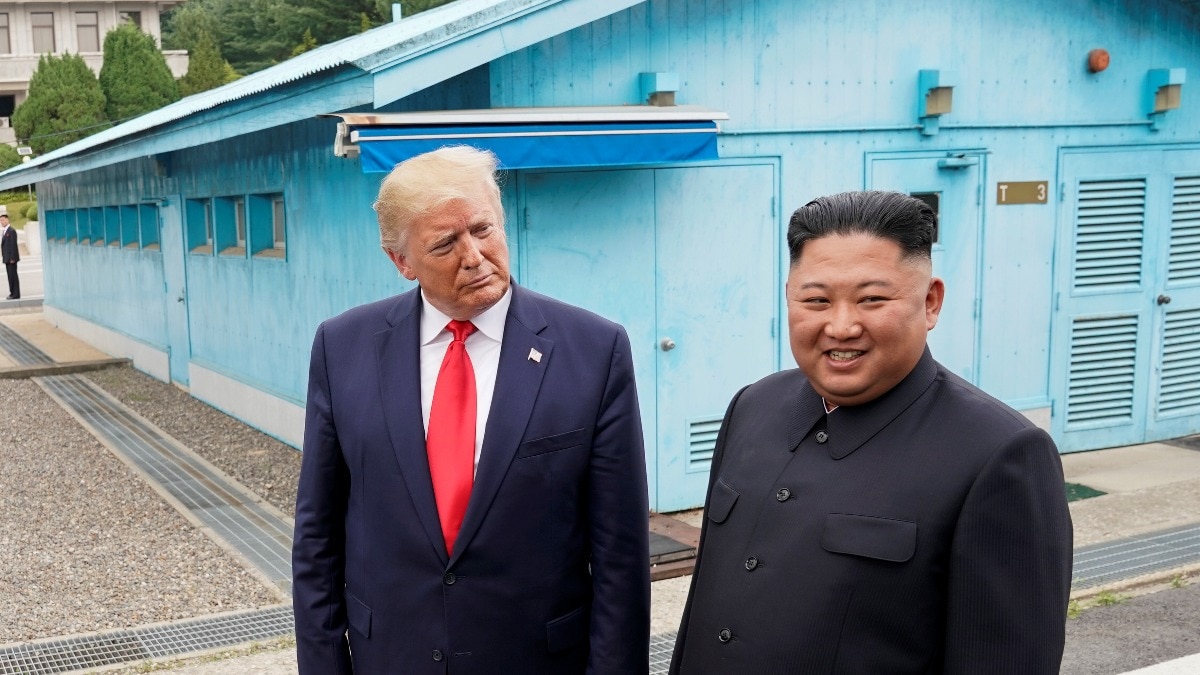
U.S. President Donald Trump has hinted at another meeting with North Korean leader Kim Jong‑Un and ordered a cut‑back of joint drills with South Korea, a move that could reshape security dynamics across East Asia.
- Trump signals possible new summit with Kim Jong‑Un
- U.S. plans to reduce joint military exercises with South Korea
- Potential diplomatic and security implications for the region
Background
Since the historic 2018 Singapore summit, Trump and Kim have met intermittently, yet no substantive agreement on North Korea’s nuclear program emerged. The latest indication of renewed talks revives speculation about a shift in the strategic balance of the Indo‑Pacific.
Trump’s New Move
Trump publicly stated that a second meeting with Kim could happen this year and simultaneously ordered a scaling back of U.S.–South Korea joint drills, citing disagreements with Seoul’s policies as a driving factor.
Implications for South Korea
South Korea, long‑standing U.S. security partner, may need to reassess its defense posture as joint exercises diminish. With North Korea continuously expanding its missile and nuclear capabilities, the reduction could raise alarm bells in Seoul.
Historical Context
The first Trump‑Kim encounter in Singapore marked a rare thaw in inter‑Korean tensions. Follow‑up meetings in Hanoi (2019) and at the Korean border produced no concrete nuclear concessions, leaving the core issue unresolved. This history underscores the high stakes of any new engagement.
Why This Matters
BozokMedia analysis shows that a reduced U.S.–South Korea drill regime, paired with renewed dialogue with the North, could reshape power dynamics in East Asia, potentially prompting regional actors like Japan and Australia to adjust their own security strategies.
"If Trump can secure a genuine concession from Kim, it would be an unprecedented pivot in American foreign policy," said an international‑relations expert.
Frequently Asked Questions
Q1: Does this hint at North Korea abandoning its nuclear program?
A: No formal agreement has been reached; the statement only signals a willingness to talk.
Q2: How will reduced drills affect South Korea’s security?
A: Short‑term readiness may be impacted, but Seoul can mitigate risks through other alliances and increased self‑defense measures.