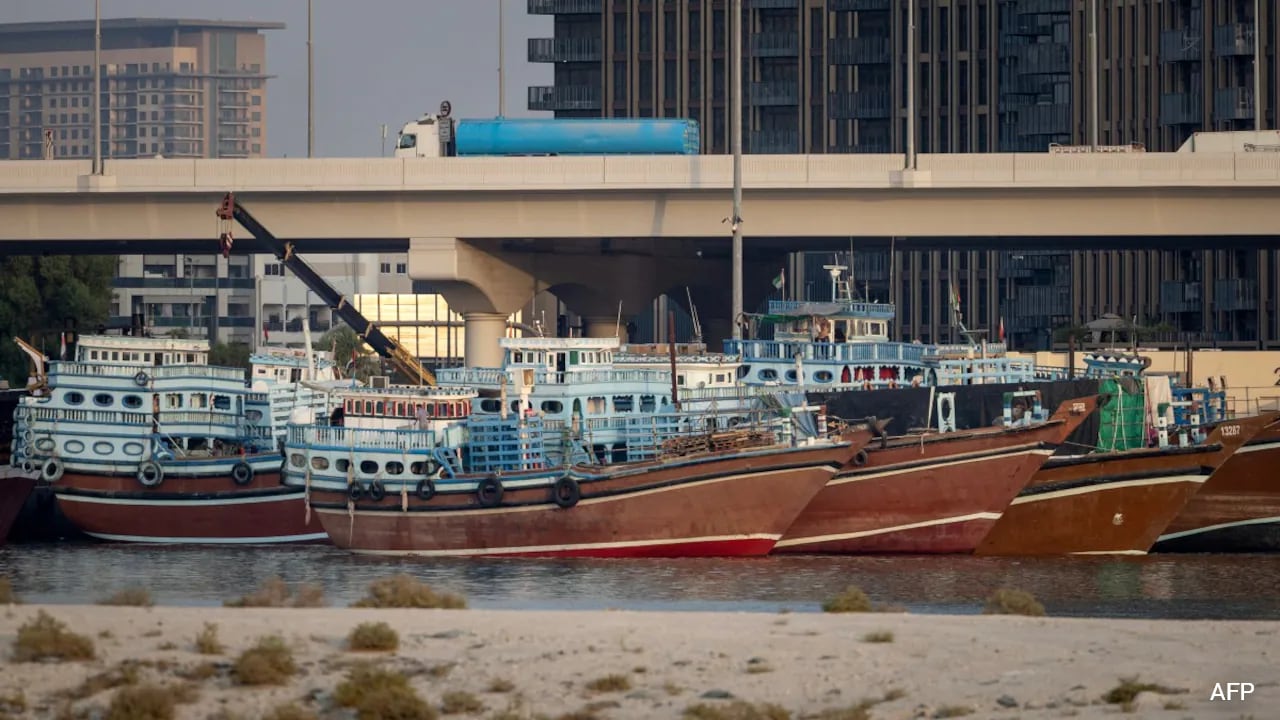
The United Arab Emirates is signaling a major geopolitical pivot by scaling back trade with Iran. This move follows increased tensions in the Strait of Hormuz and a strategic realignment with the United States.
- UAE is leveraging trade as a diplomatic tool against Iran.
- Increased attacks on Emirati tankers in the Strait of Hormuz are a primary driver.
- The move signals a closer strategic alignment with the United States.
The decision by the United Arab Emirates (UAE) to scale back its trade relationship with Iran has sent shockwaves through the international community. As one of Iran's most significant trading partners and a top source of imports, any reduction in this economic corridor carries immense geopolitical weight.
Experts suggest that this is far more than a mere economic adjustment. The primary driver appears to be the heightened maritime insecurity in the Strait of Hormuz. Following a series of provocations and attacks on Emirati-linked tankers, Abu Dhabi is increasingly viewing its economic interdependence with Tehran through a lens of national security risk.
Why This Matters
BozokMedia analysis shows that this shift represents a fundamental realignment of regional loyalties. By cooling relations with Iran, the UAE is effectively signaling its alignment with United States strategic interests in the Persian Gulf, prioritizing long-term security over immediate commercial gains.
The UAE is essentially using its economic leverage to demand maritime stability and respect for international shipping lanes.
However, there is a significant caveat to this strategy. While trade restrictions are a powerful tool, many experts argue they may fail to curb the illicit flows of sanctioned oil money that sustain the Iranian economy. The shadow economy and alternative smuggling routes remain highly resilient to formal trade cuts.
Historical Background
For decades, the UAE has navigated a delicate balancing act between maintaining robust economic ties with Iran and upholding its security commitments to Western allies. The rise of regional tensions and Iran's assertive naval presence have made this 'middle ground' increasingly difficult to maintain.
Frequently Asked Questions
Will this lead to a complete economic embargo?
Currently, the moves appear to be targeted strategic reductions rather than a total, permanent embargo.
How does this affect global oil markets?
Increased friction in the Strait of Hormuz often leads to market volatility and higher insurance premiums for shipping.