Amidst the ongoing Iran war stalemate, the US military has covertly established a strategic oil shipping corridor through the Strait of Hormuz to ensure global energy flow.
- The US military has secured a southern channel along the coast of Oman.
- Daily oil exports have surged to approximately 10 million barrels via secret convoys.
- US Air Force provides active protection against Iranian drone and missile threats.
- The operation is coordinated by US Central Command from Fort Bragg.
In a significant escalation of maritime strategic operations, the US military has secretly established a dedicated oil shipping corridor through the Strait of Hormuz. According to reports from Axios, citing high-level US officials, this covert operation has been active for several weeks, facilitating the movement of millions of barrels of oil despite the ongoing stalemate in the Iran war.
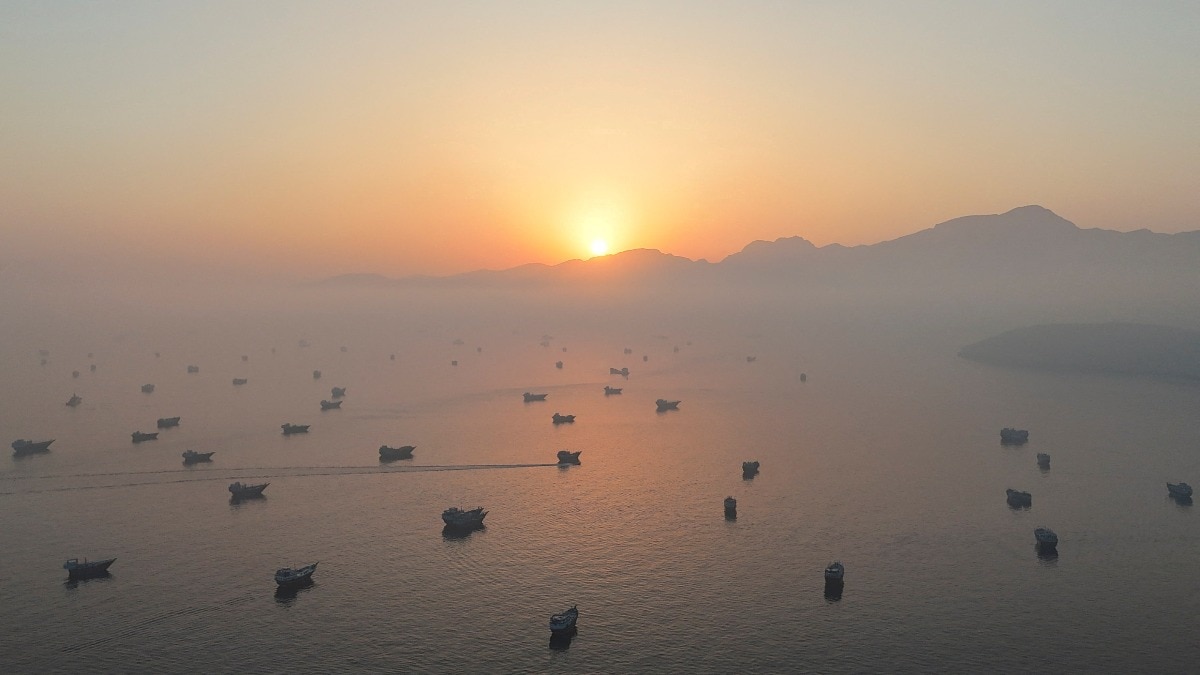
The operation utilizes a southern channel running along the coast of Oman, allowing 15-20 tankers to transit safely each night. Currently, about 10 million barrels of oil per day are being transported out of the Gulf into global markets—roughly half of the pre-war volume. On peak days, officials noted that exports have surged as high as 15 to 20 million barrels.
Why This Matters
BozokMedia analysis shows that the Strait of Hormuz is arguably the world's most critical energy chokepoint, facilitating nearly 20 percent of global oil consumption. By securing this corridor, the US is effectively mitigating the economic fallout of the Iran conflict and asserting dominance over a waterway that President Donald Trump has recently declared as a US-controlled strategic zone.
The establishment of this corridor marks a shift from mere maritime escorting to active management of global energy logistics under combat conditions.
The technical execution of this mission involves a sophisticated US task force based at Fort Bragg, North Carolina. Beyond just escorting laden tankers, the US military is managing a 'round-trip' logistics chain, guiding empty tankers from the Arabian Sea into Gulf ports to collect oil before their outbound journey. This is supported by recent US Central Command campaigns that successfully degraded Iran's radar and maritime surveillance capabilities.
Historical Background
The Strait of Hormuz has long been a geopolitical flashpoint. Since the outbreak of the Iran war on February 28, the waterway has faced constant threats of blockage. The strait is not only vital for oil but also handles approximately 11.4 billion cubic feet of Liquefied Natural Gas (LNG) daily, making any disruption a potential catalyst for a global economic crisis.
Frequently Asked Questions
1. How is the US protecting the tankers from Iranian attacks?
The US Air Force provides active defense against Iranian drones and cruise missiles, while recent strikes have also damaged Iran's ability to monitor the strait.
2. Is the Strait of Hormuz fully open?
While the US maintains the waterway is open and under its control, Iran continues to claim disruptions, making the situation highly volatile.