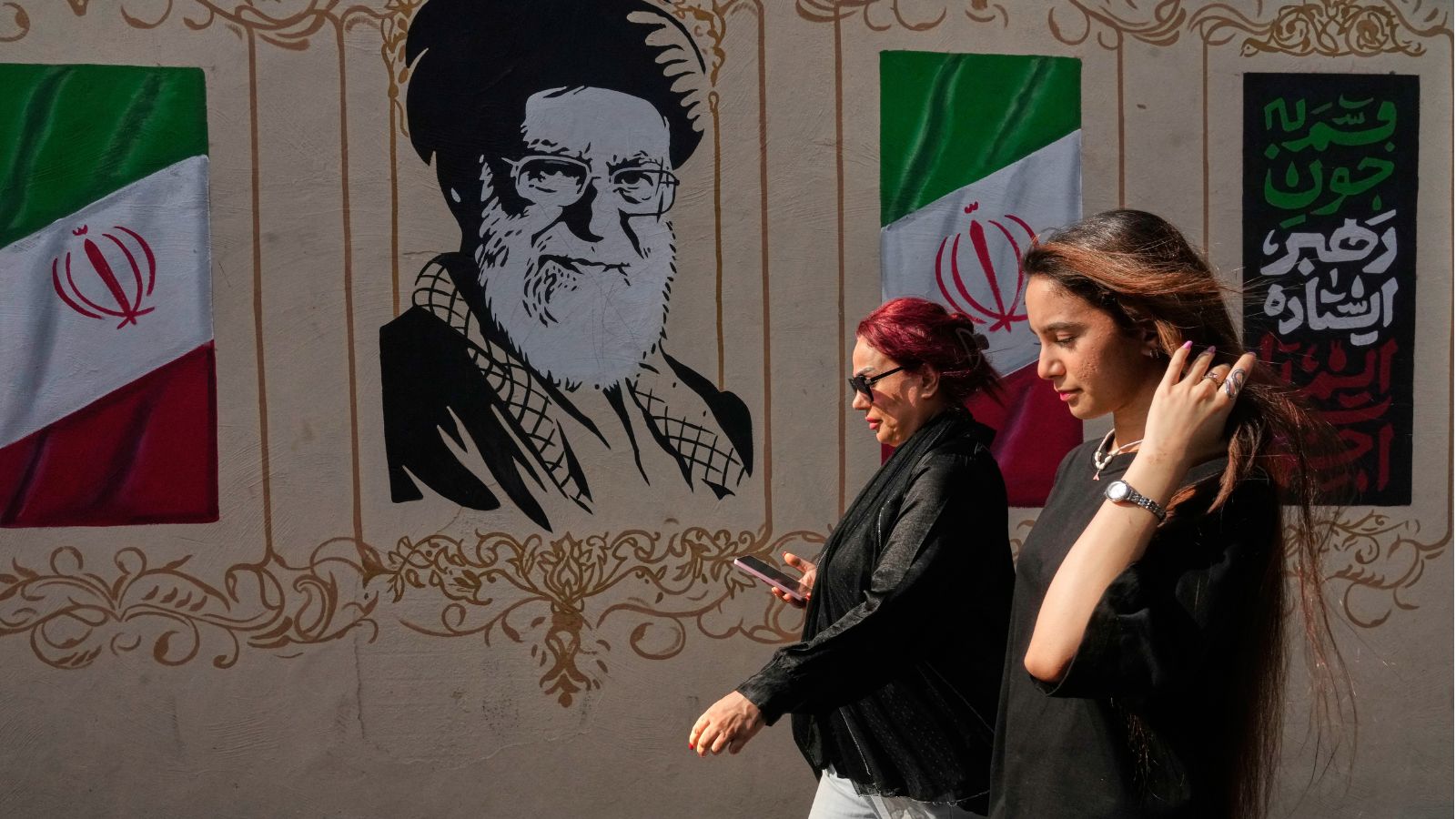
Treasury Secretary Scott Bessent has announced plans to roll out unprecedented sanctions against Iran. This move follows President Trump's declaration of 'Economic Warfare' intended to pressure Tehran without large-scale military conflict.
- The US is preparing to impose the most stringent economic sanctions in history on Iran.
- President Trump has officially declared an 'Economic Warfare' stance against Tehran.
- Global crude oil prices surged following the announcement of increased US pressure.
- Iran has condemned the move, labeling it 'economic terrorism' and a crime against humanity.
The United States is escalating its confrontation with Tehran through a massive economic offensive. Treasury Secretary Scott Bessent confirmed on Thursday that Washington is set to implement "the toughest sanctions in history" against Iran. This strategic shift follows President Donald Trump's recent vow to engage in "Economic Warfare," threatening severe consequences for any nation providing financial assistance to the Iranian regime.
Speaking to CNBC, Bessent framed these intensified economic measures as a strategic alternative to traditional military engagement. By using military terminology, he suggested that ramping up economic pressure could mitigate the necessity for a "large-scale kinetic restart," implying that sanctions could serve as a substitute for renewed missile strikes or ground operations.
Why This Matters
BozokMedia analysis shows that this pivot toward extreme economic coercion marks a high-stakes gamble in Middle Eastern diplomacy. While intended to avoid direct kinetic warfare, the move risks destabilizing global energy markets and forcing Iran into more unpredictable retaliatory behaviors.
The market reaction was immediate and volatile. Crude oil prices hit a more-than-three-week high on Thursday as traders reacted to the looming threat of further disruption in Middle Eastern oil supplies. With millions of barrels already stranded due to the ongoing six-month regional conflict, the prospect of tighter sanctions has heightened fears of a global energy crunch.
Economic sanctions are increasingly being utilized as a primary instrument of statecraft to achieve geopolitical objectives without the immediate cost of war.
The Iranian foreign ministry has responded with fierce condemnation. Tehran characterized the US sanctions push as "economic terrorism" designed to inflict suffering on ordinary Iranian citizens, ultimately describing the policy as a crime against humanity.
The geopolitical landscape remains precarious. Despite two separate ceasefire attempts in April and June—both aimed at ensuring free navigation through the critical Strait of Hormuz—stability has remained elusive, leaving the region on the brink of renewed tension.
Frequently Asked Questions
1. What is meant by 'Economic Warfare' in this context?
It refers to the use of intense economic sanctions, trade restrictions, and financial freezes to weaken a nation's ability to function and influence its political decisions.
2. How do these sanctions affect global oil prices?
Sanctions on major oil-producing nations like Iran can reduce global supply, which typically leads to an increase in crude oil prices worldwide.

