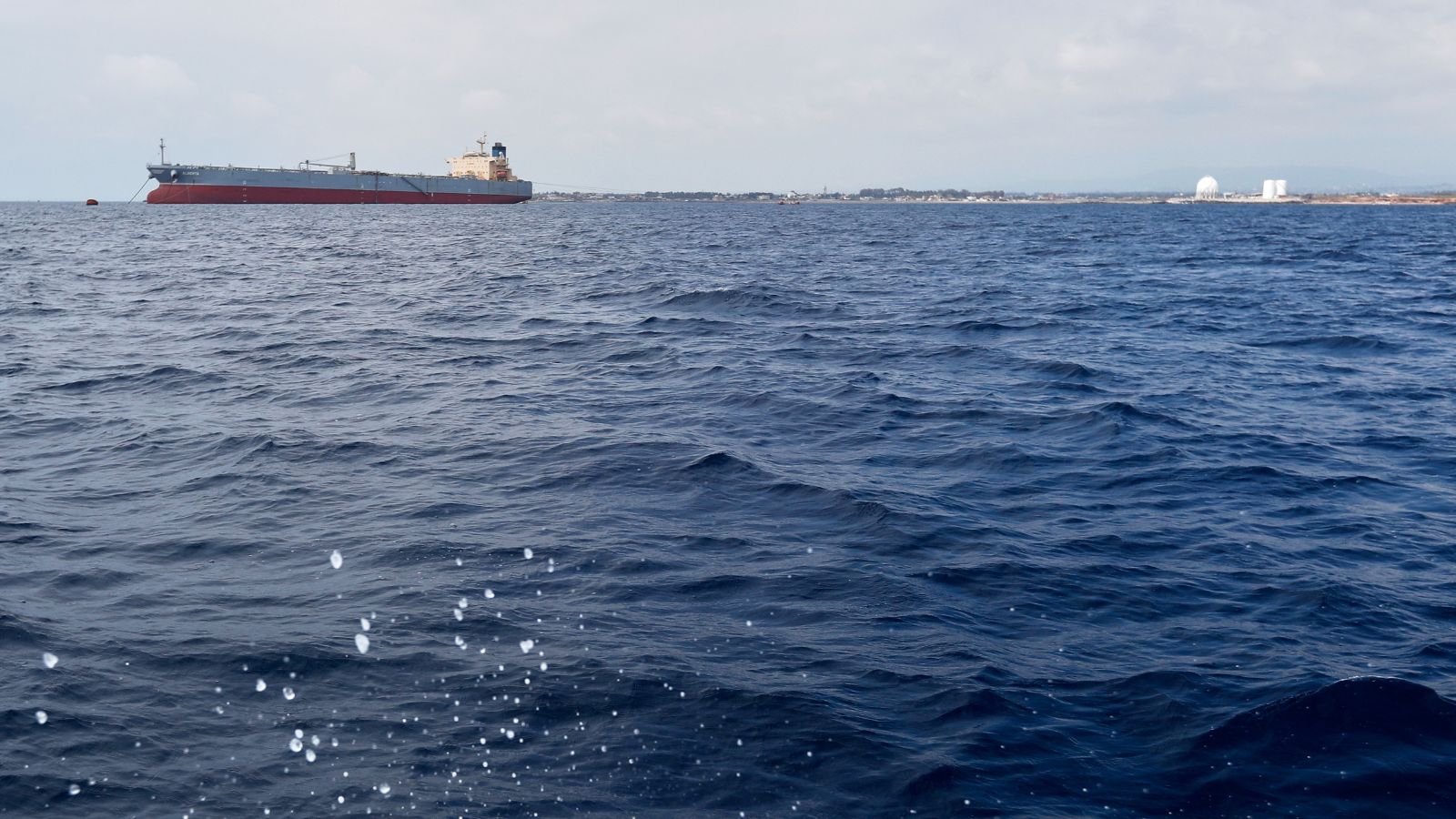
Two vessels, including an oil tanker and a cargo carrier, have been hijacked by armed pirates off the coasts of Yemen and Somalia, carrying 22 Indian seafarers who are currently reported safe.
- Two vessels, Sibu 1 and Lutuf, were hijacked by armed pirates this week.
- A total of 22 Indian seafarers are on board; sources indicate they are safe.
- Pirates have reportedly disabled the ships' transponders to evade tracking.
- The resurgence of piracy is linked to shifted naval focus in West Asia.
In a worrying development for maritime security, two vessels have been hijacked by armed pirates off the coasts of Somalia and Yemen this week. According to reliable sources, a total of 22 Indian seafarers are currently on board these vessels. While the situation remains tense, shipping companies are working in close coordination with government authorities, and the crew members are believed to be safe.
Details of the Hijacked Vessels
The first vessel, the Eritrea-flagged oil products tanker Sibu 1, was hijacked in the Gulf of Aden off the coast of Yemen on Thursday. The tanker carries 20 crew members, including 16 Indians. Notably, Sibu 1 had previously been sanctioned by the US for its alleged involvement in the Iranian petroleum trade.
The second vessel, the Cameroon-flagged general cargo carrier Lutuf, was intercepted off the Somali coast on Monday. There are 10 people on board Lutuf, including 6 Indian seafarers. Reports suggest that the Lutuf was transporting Turkish-made weapons, communication tools, and satellite equipment at the time of the hijacking.
Why This Matters
BozokMedia analysis shows that the recent uptick in piracy is a direct consequence of the strategic shift in international naval presence. As global maritime powers redirect their assets to manage conflicts in the Strait of Hormuz and West Asia, traditional piracy hotspots like the Gulf of Aden and the Somali coast have become increasingly vulnerable.
The resurgence of Somali piracy signals a critical gap in global maritime surveillance that puts thousands of seafarers at risk.
According to the United Kingdom Maritime Trade Operations (UKMTO), the pirates have likely switched off the ships' transponders, making it impossible to track their real-time location. This is a common tactic used to redirect vessels toward pirate-controlled territories in Somalia.
Historical Context
For over a decade, Somali piracy had been on a significant decline. However, the current geopolitical instability in the Red Sea and the Gulf of Aden has provided a resurgence of opportunity for maritime criminals. With India being the world's second-largest supplier of seafarers—contributing over 311,000 professionals to the global industry—the safety of these workers is a matter of immense national and economic importance.
Frequently Asked Questions
Question 1: Are the Indian sailors in immediate danger?
Answer: While the situation is critical, current reports from shipping companies and sources indicate that all 22 Indian sailors are safe.
Question 2: Why are these hijackings happening now?
Answer: Analysts suggest that naval forces have shifted focus to West Asia, leaving the Somali and Aden corridors less protected.