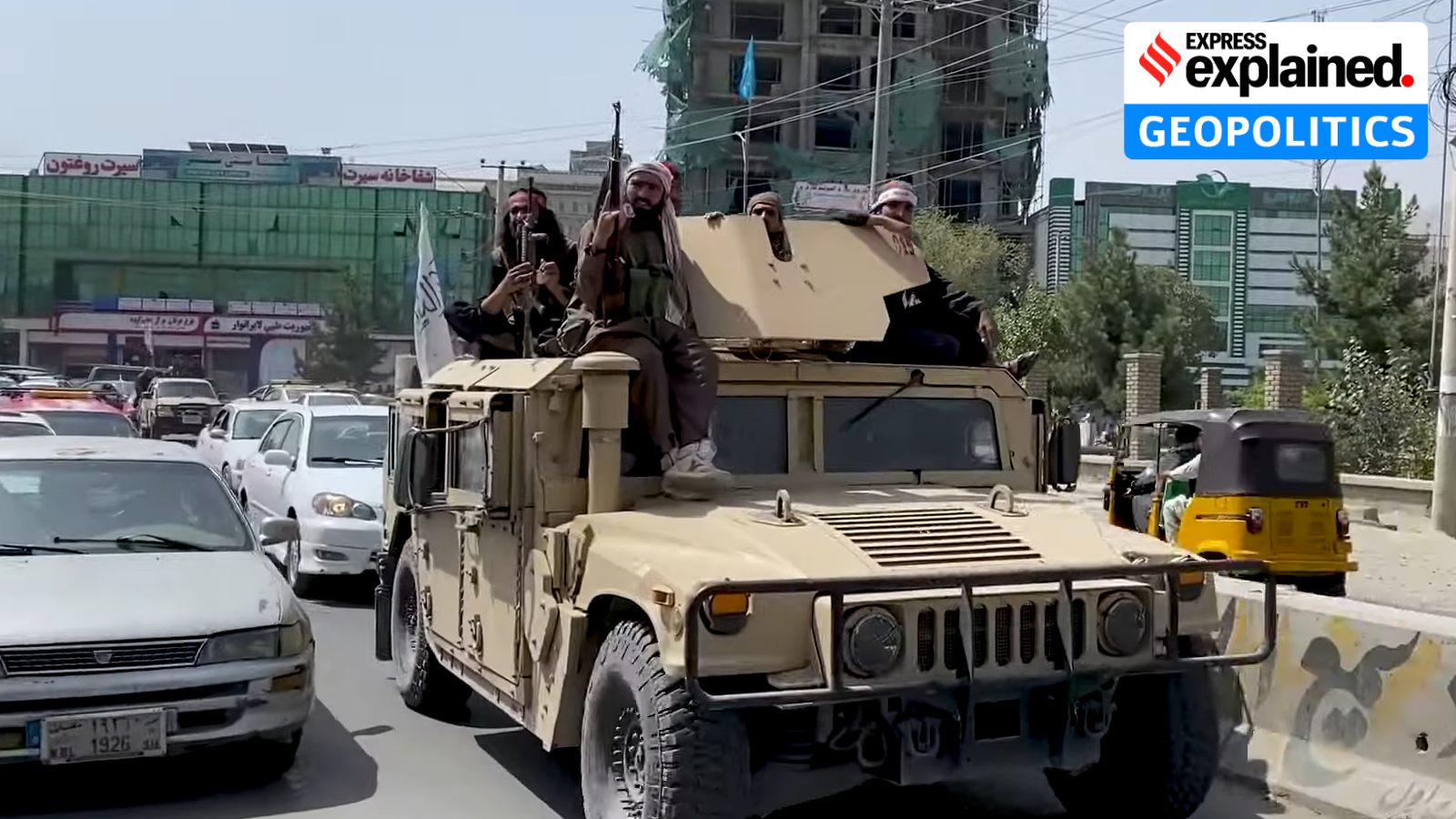
From emergency evacuations to diplomatic engagement, explore how India is navigating its complex relationship with the Taliban to protect its interests in Afghanistan.
- India is engaging with the Taliban through 'cautious engagement' without granting official diplomatic recognition.
- Protecting $2-3 billion in previous investments is a primary driver for New Delhi's outreach.
- Countering Chinese influence and managing regional security are key strategic objectives.
In August 2021, the sight of Indian diplomats hurriedly evacuating Kabul marked a low point in bilateral relations. Fast forward five years, and the landscape has shifted dramatically. The recent celebration of "Victory Day" at the Afghan embassy in New Delhi, attended by various diplomats, signals that India's relationship with the Taliban is moving from the shadows into a more overt diplomatic arena.
While the Indian government maintains a stance of "cautious engagement," the move has sparked debate. Is this a pragmatic necessity or an opportunistic shift? The reality lies in a complex web of economic interests and geopolitical maneuvering. Having invested billions of dollars in Afghanistan's infrastructure and social sectors, New Delhi cannot afford to let its legacy and assets vanish entirely.
Why This Matters
BozokMedia analysis shows that India's engagement is a calculated response to the shifting power dynamics in Central Asia. With China aggressively seeking influence and natural resources in Afghanistan, and Russia already establishing ties with the Taliban, India finds itself in a position where isolation could mean total strategic loss. By maintaining a channel of communication, India seeks to preserve its leverage.
India is distinguishing between the Taliban regime and the Afghan people to ensure its long-term strategic footprint remains intact.
Security remains the most volatile variable. While the UN Security Council has highlighted the persistent threat of groups like ISIL-K and Al-Qaeda, India's primary concern is ensuring that Afghan soil is not used as a launchpad for groups like Lashkar-e-Taiba. So far, the Taliban's willingness to provide security for Indian diplomats in Kabul has offered a glimmer of confidence to New Delhi.
The presence of Taliban-appointed officials at high-profile Indian events, such as the President's reception at Rashtrapati Bhawan, suggests a level of de facto acceptance that transcends official recognition. This "foot in the door" approach allows India to monitor the ground reality without compromising its stated values on human rights.
Historical Background
Following the 2001 fall of the Taliban, India became one of the largest developmental partners in Afghanistan, focusing on democratic institutions and connectivity. The sudden collapse of the Ghani government in 2021 forced a complete re-evaluation of this decades-long commitment.
Frequently Asked Questions
1. Has India officially recognized the Taliban government?
No, India has not granted official diplomatic recognition but has increased functional and diplomatic engagement.
2. What is India's main concern regarding Afghanistan?
India's primary concerns are the security of its citizens/assets and ensuring that Afghan territory is not used for anti-India terrorist activities.
