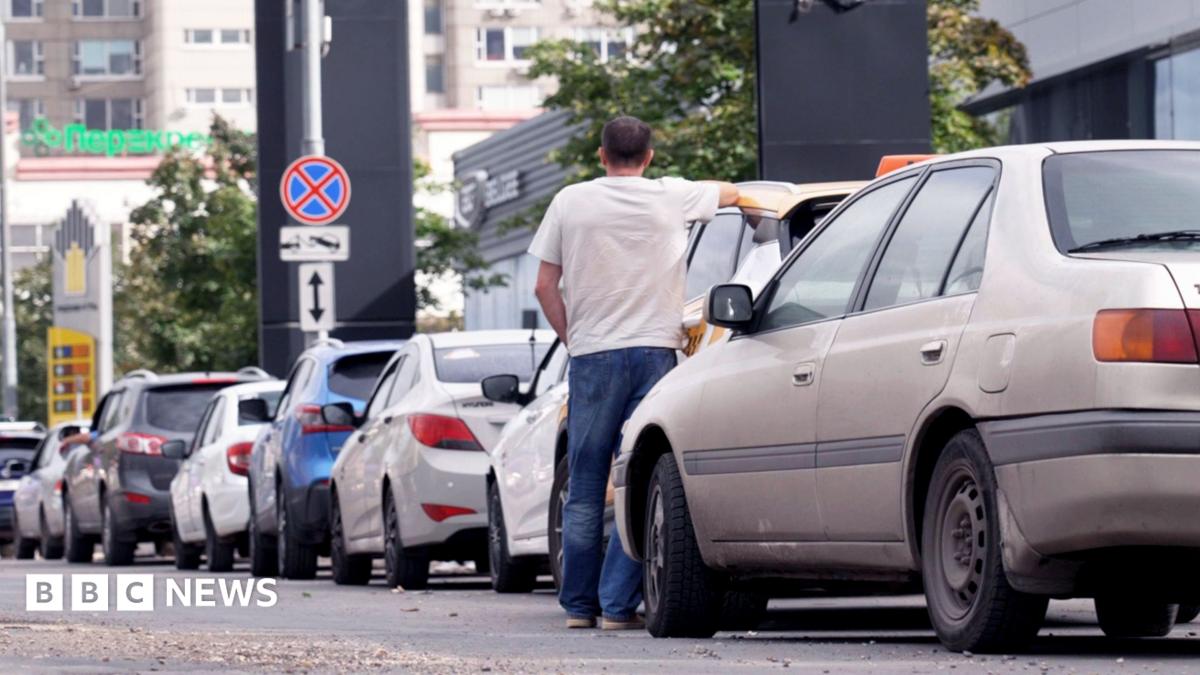
Long queues at Moscow petrol stations highlight the growing domestic impact of the war in Ukraine. Drone strikes on refineries have forced the energy giant to resort to importing petrol and using lower-grade fuel.
- Ukrainian drone strikes on oil refineries have caused significant supply disruptions.
- Russia, a leading energy exporter, is now forced to import petrol to meet domestic demand.
- The government has authorized the sale of lower-grade Euro 2 fuel to mitigate shortages.
- A disconnect is growing between Kremlin rhetoric and the lived reality of Russian citizens.
In the south-eastern outskirts of Moscow, drivers like Svyatoslav are facing grueling waits in fuel queues. Despite the signs indicating no fuel is available, many remain in line, hoping for a quick resolution. This is not an isolated incident; across Russia, the struggle for petrol has become a daily reality, with massive queues stretching through major cities.
The Impact of Strategic Strikes
Russian officials attribute the shortages to "unscheduled repairs at oil refineries." However, the underlying cause is the persistent campaign of Ukrainian drone strikes targeting Russian energy infrastructure. These long-range attacks have successfully disrupted refining capacities, leading to what local media, such as Nezavisimaya Gazeta, describes as a "second wave of the fuel crisis."
An Energy Superpower in Crisis
The current situation presents a stark irony for the Russian Federation. As one of the world's foremost exporters of crude oil and a recognized energy superpower, the necessity to import petrol to satisfy domestic needs is a significant blow to its economic narrative. To manage the immediate shortage, the government has taken the controversial step of allowing the sale of Euro 2 petrol. This lower-grade fuel, which was banned in Russia in 2013 due to its high sulphur content, poses a serious risk to modern vehicle engines.
There is a profound disconnect between the Kremlin's description of reality and the actual feelings of the people.
Patriotism Amidst Economic Strain
As the nation prepares for Russian Flag Day, the streets of Moscow present a surreal dichotomy. Giant billboards promote patriotic fervor, and street concerts feature military hardware, yet just a few miles away, citizens are struggling for basic fuel. While the Kremlin, led by Vladimir Putin, insists there are "no critical consequences" from the ongoing strikes, independent analysts suggest that public anxiety is steadily rising.
| Fuel Grade | Sulphur Content | Engine Impact | Status |
|---|---|---|---|
| Euro 5 | Very Low | Safe/Optimal | Standard |
| Euro 2 | Up to 50x Higher | High Risk of Damage | Emergency Use |
Frequently Asked Questions
1. Why is Russia experiencing petrol shortages?
The shortage is primarily driven by damage to oil refineries caused by Ukrainian drone strikes.
2. Is the new Euro 2 fuel safe for all cars?
No, the Russian government has warned that regular use of Euro 2 can damage fuel injectors, spark plugs, and other critical engine components.
