The Trump administration has launched 'Operation Economic Fury,' threatening secondary sanctions on any nation or entity continuing to trade with Iran as US military stockpiles face strain.
- The Trump administration has announced an unprecedented escalation of economic pressure on Iran.
- New 'secondary sanctions' may target third-party countries and companies trading with Tehran.
- The move aims to force Iran to end its nuclear program and reopen the Strait of Hormuz.
- Major oil importers like China and India could face significant US pressure.
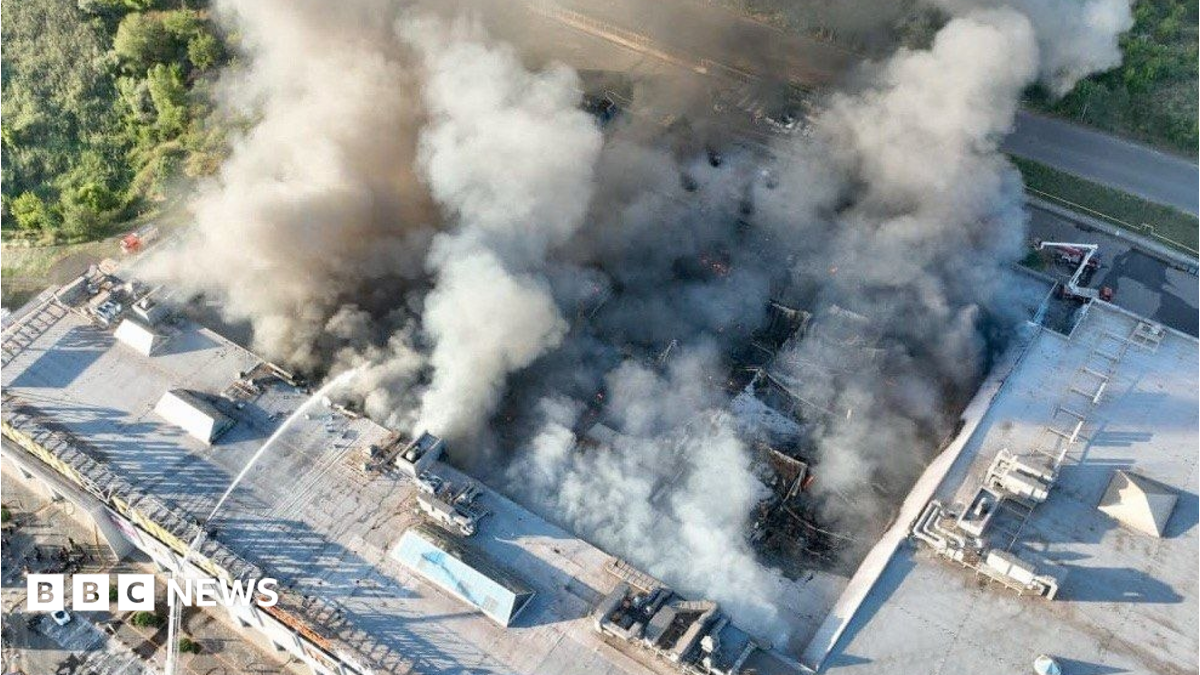
In a decisive shift in foreign policy, the Trump administration has unveiled a sharpened sanctions drive against Iran, officially termed 'Operation Economic Fury.' This escalation comes at a critical juncture as the ongoing conflict nears its six-month mark and US military stockpiles of key weaponry face increasing strain. President Donald Trump stated that the objective is to force Tehran to dismantle its nuclear program and ensure the unhindered flow of oil and gas through the Strait of Hormuz.
Treasury Secretary Scott Bessent provided clarity on the administration's intent during a recent interview. He indicated that the US is moving beyond direct sanctions to target the facilitators of Iran's economy. "If you insist on doing business with them, then the US Treasury and US government will put its full might and force against you," Bessent warned. While he did not name specific nations, the implication for major Iranian oil customers like China and India is profound.
Why This Matters
BozokMedia analysis shows that the US is attempting to substitute military attrition with financial warfare. As the war drags on and domestic political pressure mounts ahead of midterm elections, the administration is betting that total economic isolation can achieve what battlefield maneuvers have yet to secure. However, this strategy risks creating massive friction with US allies and disrupting global energy markets.
We are watching a strategy that is fundamentally about changing the future of the world by seeing the end of this regime.
The geopolitical landscape has been further altered by the United Arab Emirates (UAE), which recently suspended trade with Iran following alleged missile attacks. This move significantly weakens Iran's ability to use re-exports to bypass existing sanctions, further tightening the noose around Tehran's financial capabilities.
Despite the administration's confidence, critics argue that this is a repeat of failed historical patterns. Ali Vaez of the International Crisis Group noted that the Iranian regime views surrender as more dangerous than economic hardship. Similarly, Iranian Foreign Ministry spokesman Esmail Baghaei dismissed the sanctions as "exhausted refrains," claiming that Washington's reliance on economic coercion over diplomacy has consistently failed to produce results.
Frequently Asked Questions
1. What are secondary sanctions?
Secondary sanctions are penalties imposed by the US on non-US entities (countries or companies) that engage in significant transactions with a sanctioned nation like Iran.
2. How does this affect global oil prices?
Increased sanctions on Iran and the potential closure of the Strait of Hormuz could lead to significant volatility and price hikes in the global oil market.