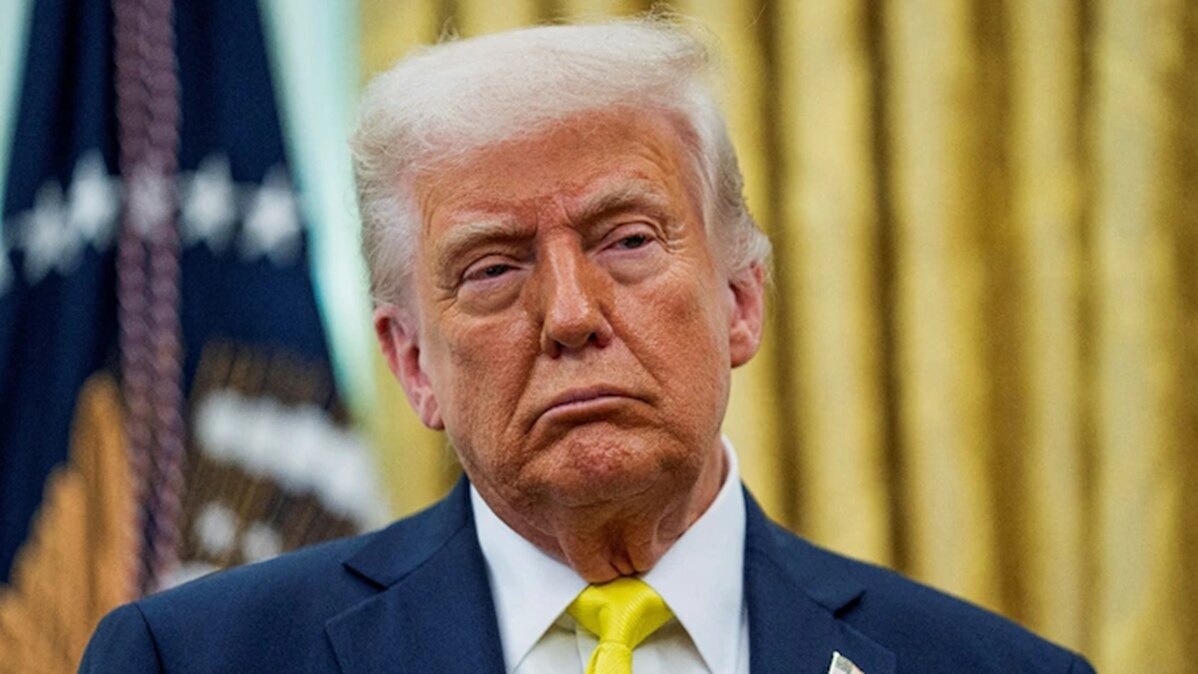
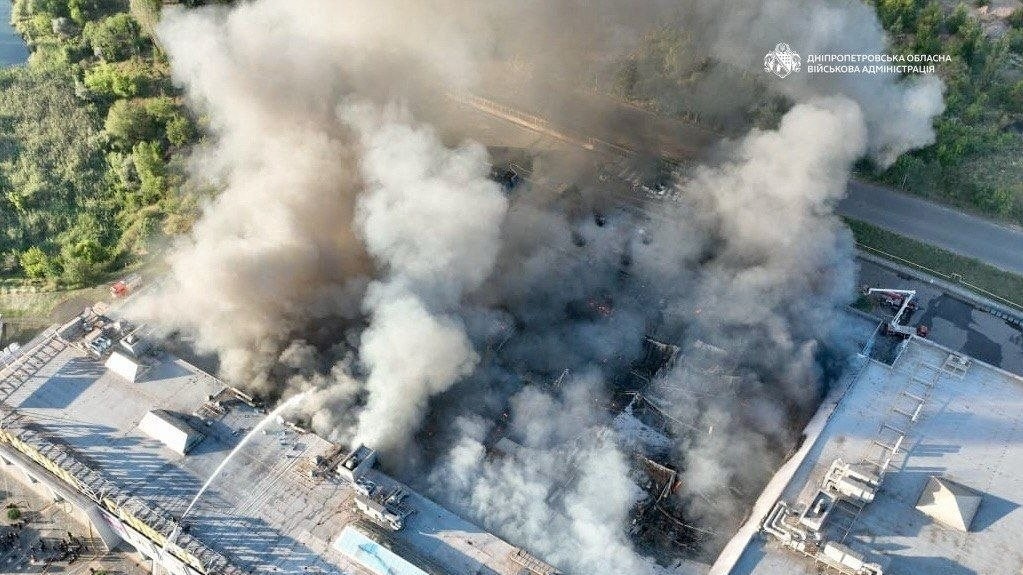
Donald Trump has asserted that the US will soon exert total control over the Strait of Hormuz, effectively neutralizing Iran's naval and air capabilities. He warned of crushing economic sanctions if Tehran refuses to engage in a legitimate deal.
- Donald Trump claims imminent US dominance over the Strait of Hormuz.
- Threat to neutralize Iran's Navy and Air Force.
- Warning of massive economic blockade against Tehran.
- Escalating tension between US strategic interests and Iranian sovereignty.
In a bold geopolitical move, former US President Donald Trump has claimed that the United States is poised to gain full control over the Strait of Hormuz. This strategic maritime chokepoint is vital to global energy stability, and any shift in control there carries massive implications for the worldwide economy.
Trump's rhetoric suggests a multi-pronged approach: military dominance and economic warfare. He stated that the Iranian Navy and Air Force would be unable to withstand US pressure, aiming to strip Tehran of its ability to project power in the region. He emphasized that Iran must come to the negotiating table for a 'proper deal' or face total isolation.
Why This Matters
BozokMedia analysis shows that the Strait of Hormuz is the jugular vein of the global oil market. Control over this passage allows a superpower to dictate terms to energy-dependent nations. Trump's stance signals a return to a 'maximum pressure' campaign that combines naval supremacy with aggressive economic sanctions to reshape Middle Eastern dynamics.
The struggle for Hormuz is no longer just about territorial waters; it is a battle for the control of global energy flows.
In response, Tehran has maintained a defiant stance, asserting that the United States will face failure once again. Iran has increasingly relied on low-cost asymmetric warfare technologies, such as advanced drones and missile systems, to counter the conventional military superiority of Western powers.
Historical Background
The Strait of Hormuz has been a flashpoint for decades. Iran has frequently used the threat of closing the strait as leverage in international negotiations. This tension has historically led to spikes in global oil prices and has necessitated a constant US naval presence in the Persian Gulf to ensure the freedom of navigation.
Frequently Asked Questions
1. What is the strategic importance of the Strait of Hormuz?
It is the world's most important oil transit chokepoint, connecting the Persian Gulf to the Gulf of Oman.
2. How does Iran respond to US military threats?
Iran typically responds with diplomatic defiance and by highlighting its asymmetric military capabilities, such as drones and naval mines.