As superpowers face internal shifts, middle powers like India, Brazil, and Turkey are stepping up to fill the leadership vacuum in global diplomacy.
- Middle powers possess sufficient influence to shape international events without being superpowers.
- They often employ 'niche diplomacy' to focus on specific global issues through multilateralism.
- The 'U2 Doctrine' (moving forward with or without major powers) is becoming a key strategy.
In an era of heightened global turbulence, nations such as Turkey, Saudi Arabia, Egypt, Qatar, and the UAE are stepping into active diplomatic roles. From the Gaza conflict to the ongoing tensions in Ukraine, these 'middle powers' are attempting to bridge the leadership gap left by traditional superpowers like the United States.
The concept of a middle power is not new. It traces back to the 16th-century Italian philosopher Giovanni Botero, who in his work 'The Reason of State' (1589), described medium-sized dominions as having enough authority to maintain themselves independently. Unlike small states that are vulnerable, or large states that provoke jealousy, middle powers occupy a strategic sweet spot of endurance and influence.
Defining the Middle Power Identity
Scholars debate whether middle powers should be identified by military might or diplomatic behavior. Many experts point to 'Niche Diplomacy' as a defining characteristic. Because they lack the overwhelming resources of superpowers, middle powers marshal their capabilities carefully to tackle specific, high-impact global issues through multilateral institutions.
Middle powers are increasingly seeking multilateral solutions to avoid being forced into exclusive geopolitical alignments.
Why This Matters
BozokMedia analysis shows that the shift toward nationalist and transactional foreign policies in the West has strained the rules-based international order. This vacuum has allowed middle powers from the Global South to emerge as stabilizing forces. For instance, Brazil’s leadership in the 2025 UN climate conference—conducted in the absence of the US—demonstrates this growing autonomy.
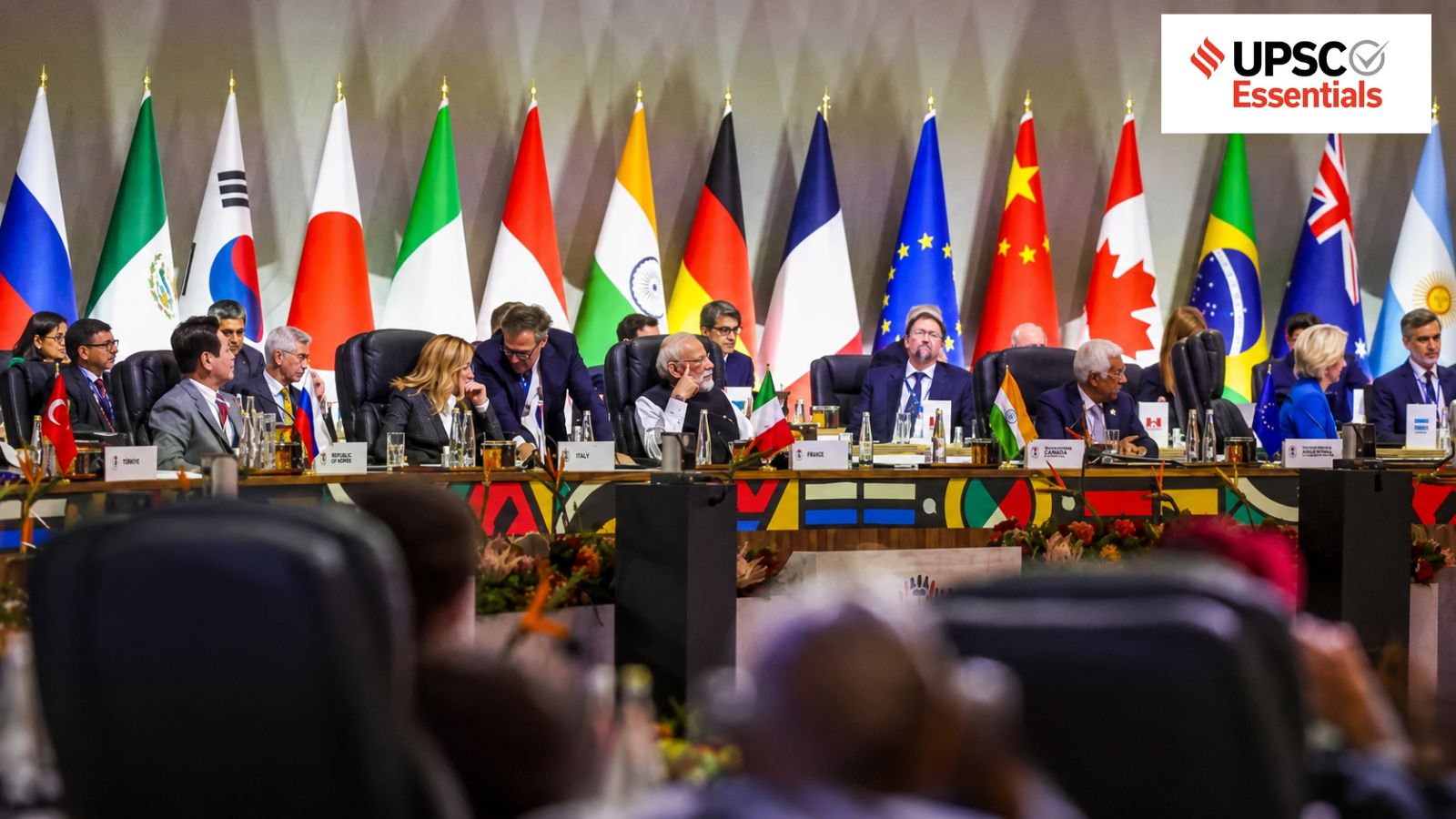
Furthermore, the G20 summit hosted by South Africa saw middle powers adopting a joint declaration on climate change and economic inequality. This trend is being termed the 'U2 Doctrine' by experts at the Carnegie Endowment for International Peace: the ability to move forward 'with or without' the great powers.
| Feature | Superpowers | Middle Powers |
|---|---|---|
| Primary Strategy | Global Hegemony | Niche Diplomacy/Multilateralism |
| Diplomatic Style | Unilateral/Transactional | Collaborative/Coalition-based |
| Goal | Systemic Control | Stability and Reform |
Frequently Asked Questions
1. What is 'Niche Diplomacy'?
It is a strategy where a country focuses its limited resources on specific global issues (like climate or maritime law) to maximize its international influence.
2. Why are middle powers important now?
They act as stabilizers in a fragmented world, providing a platform for cooperation when major powers are in conflict or absent.