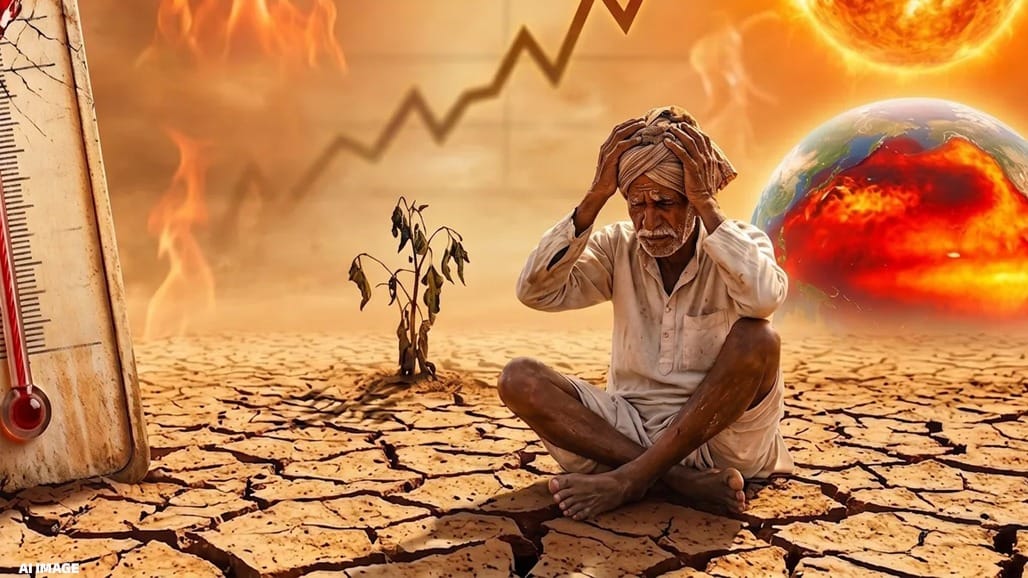
Federal authorities have announced mandatory water reductions as the Colorado River's supply levels continue to decline sharply. This development poses a significant threat to agriculture and urban centers across the American West.
- Colorado River supplies are experiencing a critical decline.
- Federal officials have mandated water usage cuts to manage reserves.
- The crisis threatens both agricultural stability and urban water security.
In a developing crisis for the American West, federal officials have announced significant water cuts as the Colorado River continues to face plummeting supply levels. This decision comes as a response to the dwindling reserves in major reservoirs, which serve as the lifeblood for millions of people and vast agricultural landscapes.
The decline in water levels is attributed to a combination of prolonged drought conditions and shifting climatic patterns. Major reservoirs, including Lake Mead and Lake Powell, are approaching critically low levels, raising alarms about the long-term viability of water distribution in the region.
Why This Matters
BozokMedia analysis shows that this water shortage is not merely an environmental concern but a looming socio-economic catastrophe. The Colorado River Basin supports massive agricultural economies and provides drinking water to millions; any disruption in its flow could lead to unprecedented economic instability and inter-state legal conflicts.
The rapid depletion of the Colorado River is a stark reminder that our current water management models are no longer compatible with the realities of a warming planet.
The implications extend beyond simple conservation. As water becomes scarcer, the competition between agricultural users, urban municipalities, and environmental conservationists is expected to intensify. This tension is exacerbated by the aging legal frameworks that govern water rights in the region.
Historical Background
The management of the Colorado River is largely governed by the Colorado River Compact of 1922. However, this agreement was based on historical water flow data that overestimated the river's actual annual volume. As modern droughts prove those early estimates were overly optimistic, the legal structure is struggling to adapt to the current scarcity.
Frequently Asked Questions
Question 1: How will these water cuts affect everyday citizens?
Answer: Residents may face increased water costs, usage restrictions, and mandatory conservation measures.
Question 2: What is driving the decline in river levels?
Answer: The primary drivers are long-term drought and the increasing frequency of extreme heat due to climate change.