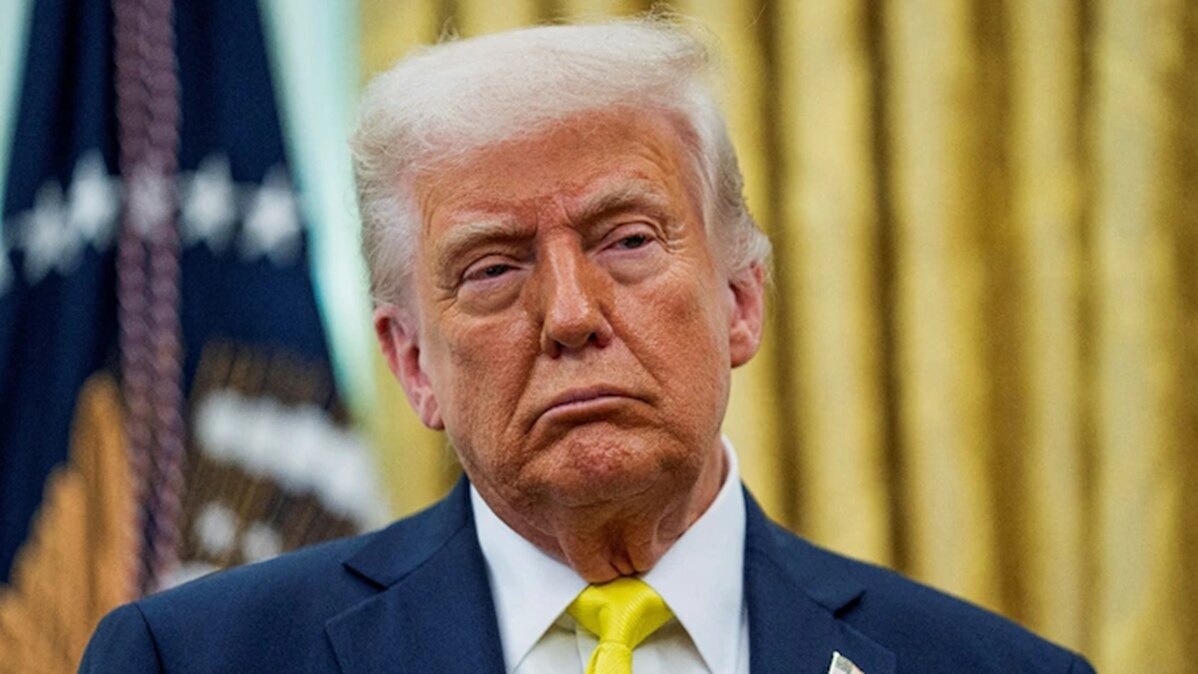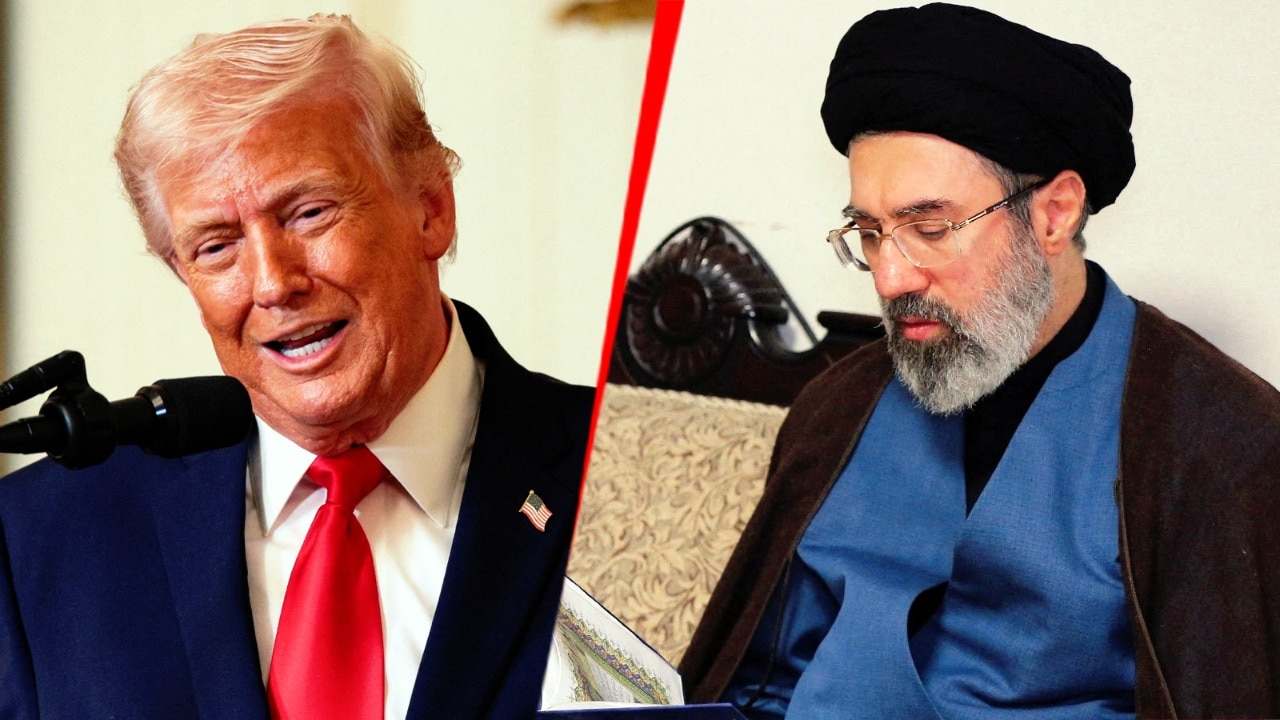
President Donald Trump has claimed sovereignty over the Strait of Hormuz, escalating tensions with Iran as Tehran prepares for a 'devastating' military response to new US sanctions.
- President Trump claimed the Strait of Hormuz is currently American territory.
- The US is preparing to impose the toughest financial sanctions in history.
- Iran has threatened a 'crushing' response across land, sea, air, and cyber domains.
- Global oil prices have surged due to heightened maritime instability.
In a move that has sent shockwaves through global diplomatic circles, US President Donald Trump has escalated the standoff with Tehran by claiming that the strategically vital Strait of Hormuz is, in effect, American territory. This bold assertion comes as the Trump administration prepares to launch an unprecedented economic offensive designed to collapse the Iranian regime.
Tehran's Defiant Stance
Iran has not taken these threats lightly. Major General Ali Abdollahi, Chief of Staff of Iran's Armed Forces, issued a stern warning, stating that Tehran is prepared to respond to any new aggression with 'crushing, punishing, and devastating responses.' He emphasized that Iran's readiness spans multiple domains, including land, sea, air defense, and cyberspace.
While the ongoing six-month conflict with US-aligned forces has strained Iran's conventional military and economy, experts warn that its missile and drone capabilities remain a potent threat to global shipping lanes.
The Economic 'One-Two Punch'
US Treasury Secretary Scott Bessent has outlined a strategy he describes as a 'one-two punch.' This involves a combined approach of maritime blockades and the implementation of the most rigorous financial sanctions in history. Trump has further extended this threat to third-party nations, warning that any country providing a 'lifeline' to Iran could face secondary economic consequences.
Why This Matters
BozokMedia analysis shows that the rhetoric regarding the Strait of Hormuz fundamentally changes the nature of the conflict from a regional dispute to a direct challenge to international maritime norms. Control over this waterway is synonymous with control over global energy stability.
The assertion of territorial control over a major international waterway marks a dangerous shift toward direct military confrontation.
The geopolitical friction is already manifesting in the energy markets. Following the sanctions threat, Brent crude prices rose to $94.39 per barrel. The tension is particularly acute for China, Iran's primary oil buyer, which has rejected the US approach, calling for diplomacy instead of sanctions.
Frequently Asked Questions
Question 1: What is the significance of the Strait of Hormuz?
Answer: It is one of the world's most important oil transit chokepoints, through which a massive portion of global petroleum supplies pass.
Question 2: How is Iran responding to the new sanctions?
Answer: Iran has vowed a devastating response across all military domains and is attempting to prepare its economy to withstand the upcoming financial pressure.