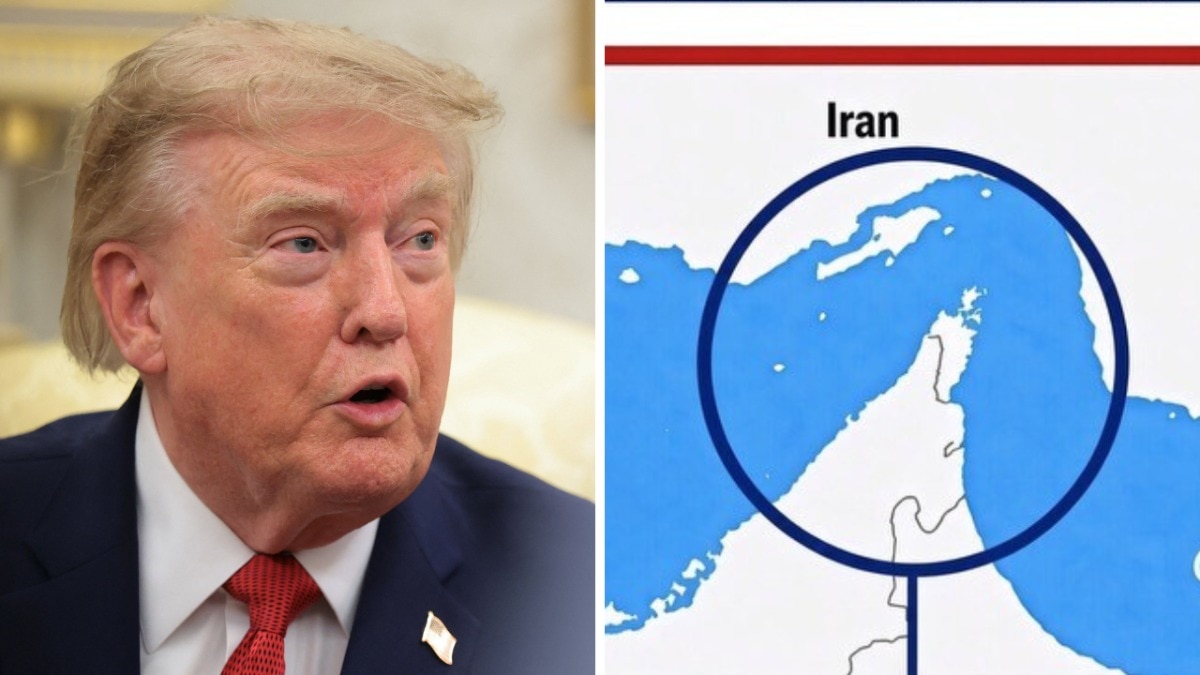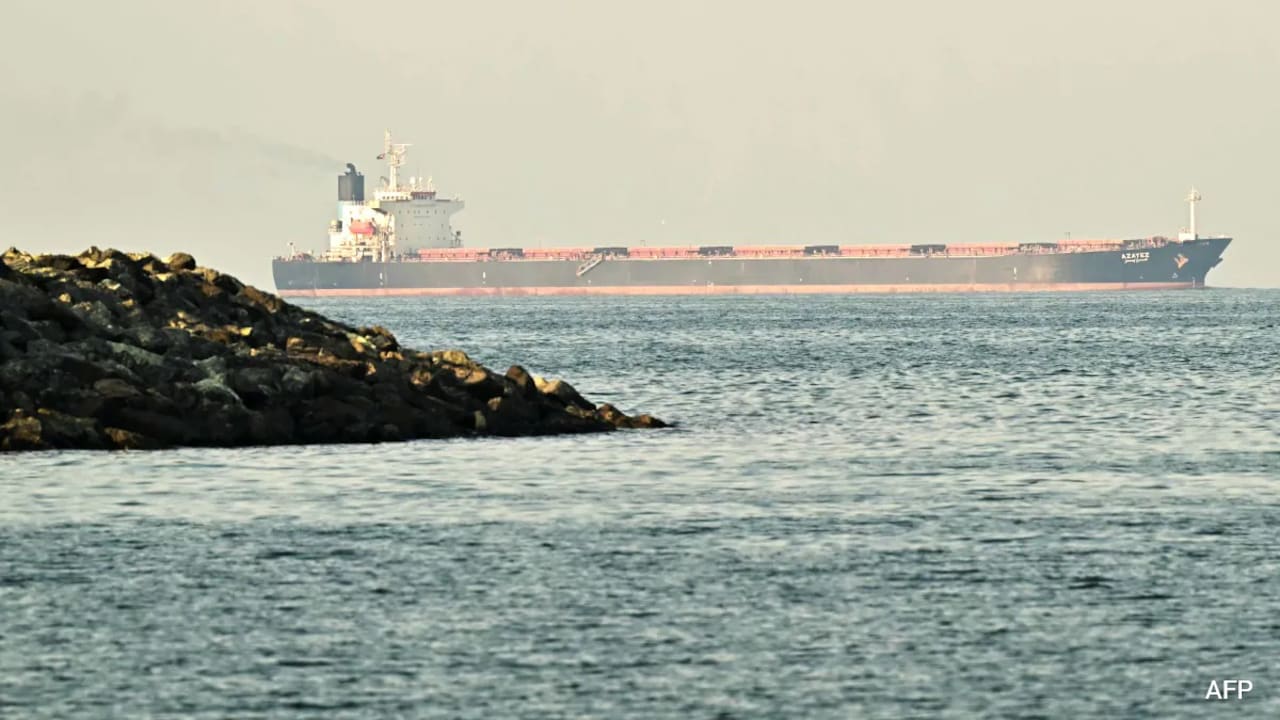
To counter Iranian drone threats, Middle Eastern oil giants are employing 'dark tankers' and US Navy escorts to ensure uninterrupted crude supplies. This strategic workaround is preventing a global energy price explosion.
- Middle Eastern producers are using 'dark tankers' to bypass Iranian drone threats.
- Saudi Arabia, Kuwait, Qatar, and the UAE are leading this strategic shift.
- US Navy escorts are providing critical security for crude oil transit.
In the volatile waters of the Persian Gulf, a shadow war is being fought to maintain the flow of global energy. With Iranian drones posing a constant threat to maritime vessels, oil majors from Saudi Arabia, Kuwait, Qatar, and the UAE have moved beyond traditional logistics. They have embraced a high-stakes workaround: the deployment of 'dark tankers'.
A 'dark tanker' refers to a vessel that intentionally switches off its Automatic Identification System (AIS) transponders. By doing so, these ships become invisible to standard satellite tracking and maritime monitoring, allowing them to navigate through high-risk zones without alerting potential adversaries. This tactic is essential for moving crude oil out of the Gulf while minimizing the risk of targeted drone strikes.
Why This Matters
BozokMedia analysis shows that the strategic use of dark tankers, combined with heavy-duty maritime security, is the only thing preventing a catastrophic spike in global energy markets. If the supply from the Strait of Hormuz were to be significantly disrupted, the resulting shockwaves would destabilize global economies and trigger massive inflation.
The convergence of stealth maritime operations and international naval protection is currently the linchpin of global energy stability.
However, stealth alone is not enough. To ensure the absolute safety of these shipments, the US Navy has stepped in to provide direct escorts. This combination of 'dark' navigation and military protection creates a dual-layered shield that allows oil to move from production hubs to global markets despite the escalating regional tensions.
Historical Background: The Strait of Hormuz has long been recognized as the world's most critical maritime chokepoint. Any disruption here has historically led to immediate volatility in Brent and WTI crude prices. As geopolitical tensions between Iran and Western-aligned Gulf states intensify, the reliance on unconventional shipping methods has become a necessity rather than a choice.
Frequently Asked Questions
1. Why do tankers turn off their transponders?
They turn off transponders to hide their exact location and identity from hostile actors like drone operators.
2. Which countries are utilizing this method?
Major producers including Saudi Arabia, Kuwait, Qatar, and the UAE are actively using these methods to secure their exports.