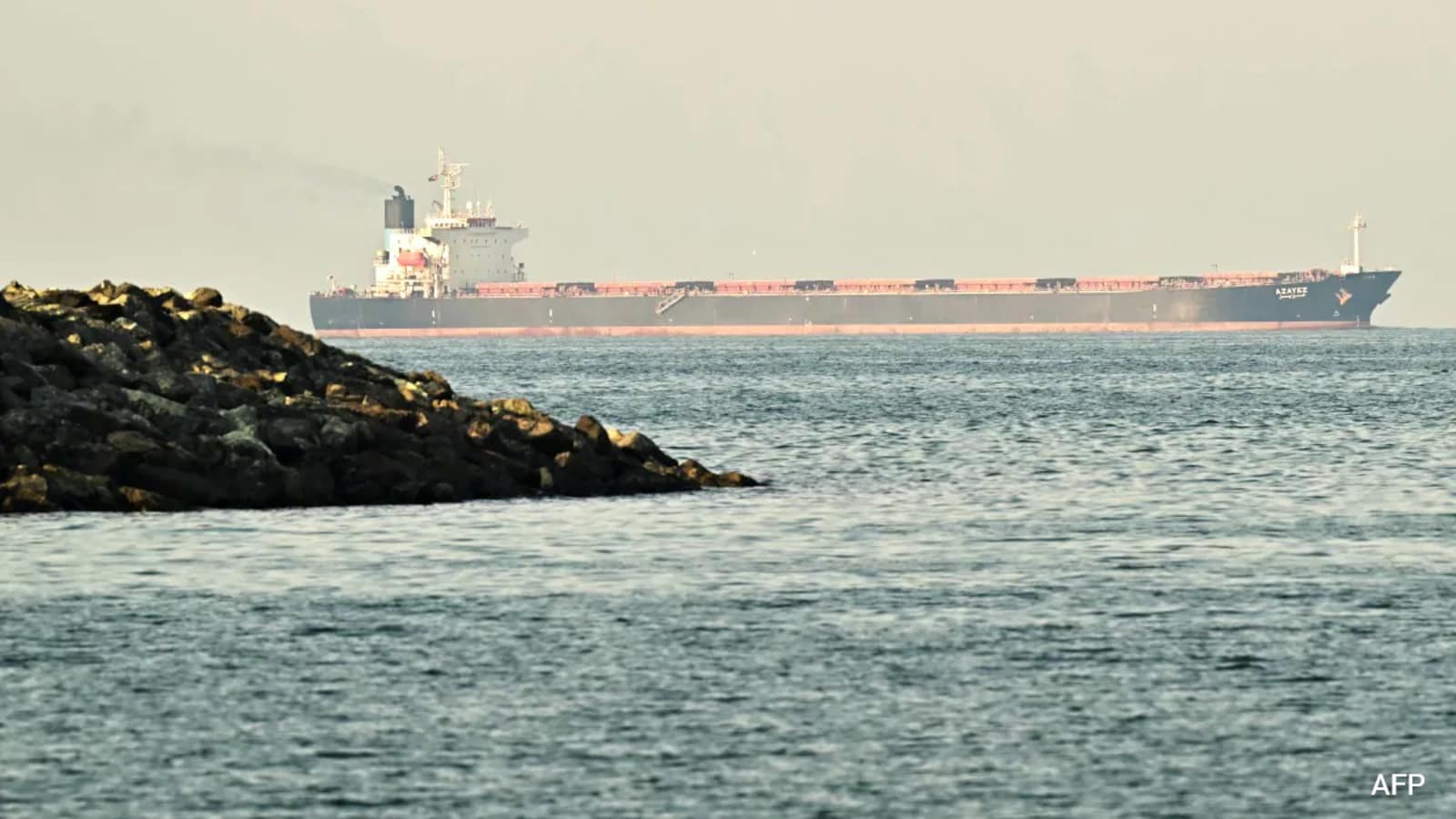
To evade Iranian drone threats, oil companies are using 'dark transits' by switching off vessel transponders. This strategic move, combined with pipeline rerouting, is keeping global oil prices below $100.
- Oil companies are disabling AIS transponders to avoid Iranian drone attacks in the Persian Gulf.
- Over 80% of oil transit through the Strait of Hormuz now uses dark or Omani-approved routes.
- Saudi Arabia and other producers are utilizing pipelines to bypass the volatile strait entirely.
Despite escalating geopolitical tensions in the Middle East, global oil markets have remained surprisingly resilient. Following the intense strikes in late February that saw Brent crude surge past $100 per barrel, prices have since stabilized well below that peak. The reason for this stability is less about diplomatic breakthroughs and more about a clandestine maritime tactic: 'Dark Transits.'
As Iranian drones pose a growing threat to tankers in the Persian Gulf, major oil producers from Saudi Arabia, Kuwait, Qatar, and the UAE have adopted a sophisticated workaround. According to reports from CNN, these companies are chartering vessels and switching off their Automatic Identification System (AIS) transponders. This allows tankers to move crude out of the Gulf under US Navy escort without appearing on standard tracking monitors.
Why This Matters
BozokMedia analysis shows that this shift fundamentally alters the risk profile of global energy trade. By going 'dark,' the financial and physical risks—specifically insurance costs and the threat of kinetic attacks—are shifted away from commercial shippers and onto the oil producers themselves and the US government. This creates a shadow supply chain that maintains market liquidity despite regional warfare.
The use of dark transits represents a high-stakes game of maritime hide-and-seek that maintains global economic stability at the cost of increased regional volatility.
Shipping data firm Kpler has documented the massive scale of this phenomenon. Their research indicates that over 80% of liquid cargo transiting the Strait of Hormuz recently utilized either the UN-approved Omani route or 'dark' paths. Since March 1, Kpler has recorded an astounding 1,514 dark crossings in and out of the Persian Gulf.
The case of the Greek-owned supertanker Kiku serves as a perfect illustration. On July 31, the vessel vanished from global tracking systems near the coast of Dubai. It reappeared on August 1, having successfully crossed the Strait of Hormuz undetected. This 'vanishing act' has become a standard operating procedure for navigating the narrow, 23-mile-wide waterway.
Rerouting and Global Supply Buffer
Beyond 'dark' voyages, producers are physically bypassing the bottleneck. Saudi Arabia has redirected approximately 5 million barrels per day through its East-West pipeline to the Red Sea port of Yanbu. Additionally, producers in Brazil, Guyana, and Venezuela have ramped up output to offset the risks associated with the Strait.
| Mitigation Strategy | Method | Primary Objective |
|---|---|---|
| Dark Transits | AIS Transponder Deactivation | Evading Drone Detection |
| Pipeline Rerouting | East-West Pipeline usage | Avoiding the Strait Bottleneck |
| Output Expansion | Increased production (Brazil/USA) | Stabilizing Global Supply |
Frequently Asked Questions
1. What is an AIS transponder?
It is a marine radio device that broadcasts a ship's identity, position, and speed to prevent collisions and allow tracking.
2. Why is the US Navy involved?
The US Navy provides escorts for many of these tankers to protect them from Iranian drone and missile threats.