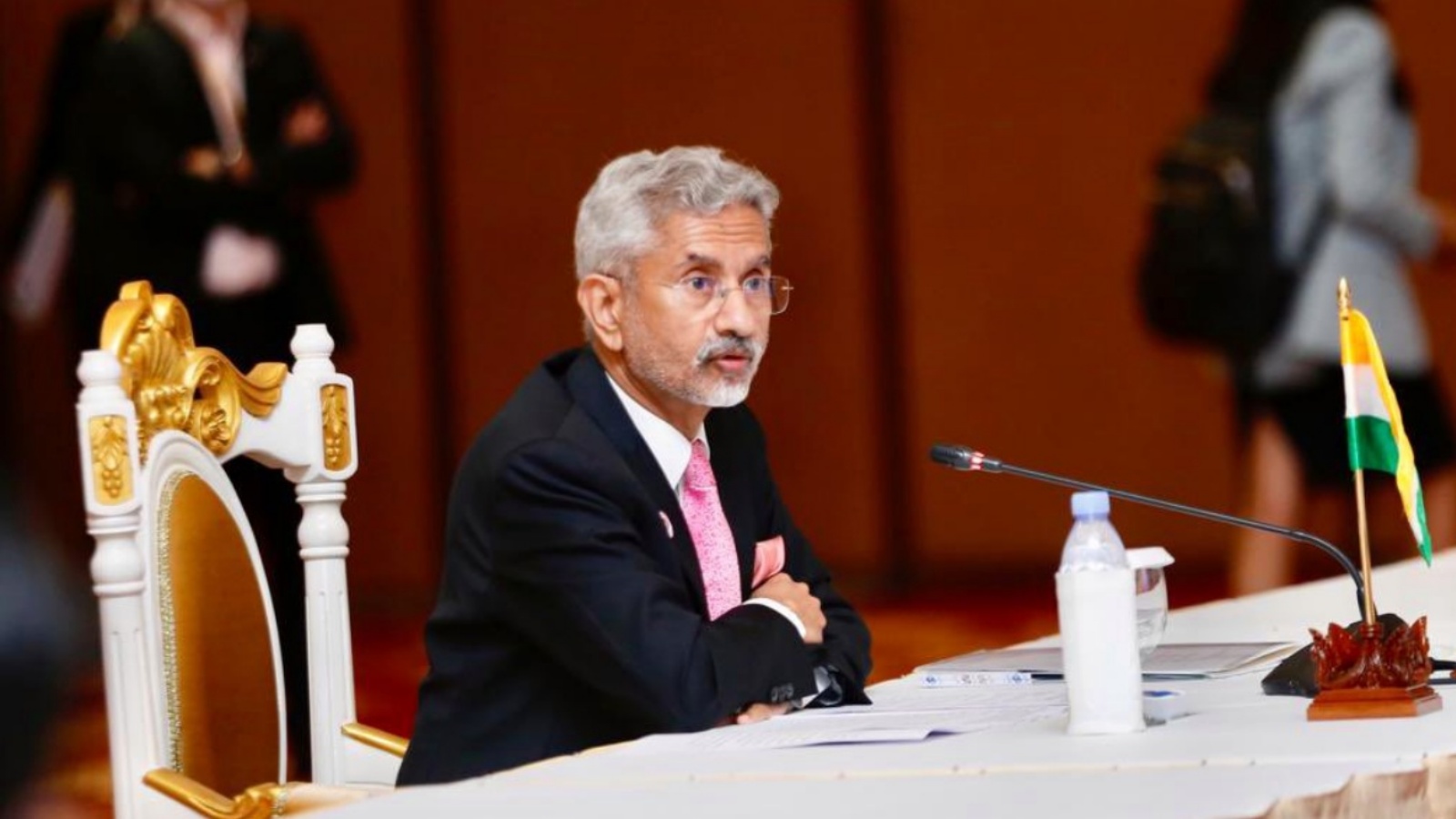
In a significant diplomatic move, Iran has authorized Iraqi oil tankers to pass through the strategic Strait of Hormuz. Iraqi President Nizar Amidi emphasized Iraq's commitment to neutrality amidst regional conflicts.
- Iran has granted special permission for Iraqi oil tankers to navigate the Strait of Hormuz.
- The decision follows high-level diplomatic requests from Baghdad, including visits from Iranian officials.
- Iraqi President Nizar Amidi stated that Iraqi territory will not be used for attacks against any state.
- The Strait remains a volatile zone due to ongoing US-Israel-Iran tensions.
In a major development for global energy corridors, Iran has officially granted permission for several Iraqi oil tankers to pass through the Strait of Hormuz. This decision comes after repeated diplomatic overtures from Baghdad, aimed at securing vital energy export routes during a period of heightened regional instability.
According to the Iranian state news agency, IRNA, the facilitation of these tankers was a primary objective during the recent visit of Iranian Parliament Speaker Mohammad Bagher Ghalibaf to Iraq. The move signals a pragmatic approach by Tehran to ease economic pressure on its neighbor, Iraq.
Why This Matters
BozokMedia analysis shows that this concession is deeply intertwined with the shifting geopolitical alliances in the Middle East. By allowing Iraqi vessels access to the Strait, Iran is reinforcing its relationship with Baghdad, a country that has historically maintained a delicate balance between Western interests and Iranian influence.
The easing of transit restrictions for Iraq serves as a strategic tool for Iran to reward friendly states while exerting pressure on others.
Speaking at the Baghdad Dialogue policy conference, Iraqi President Nizar Amidi confirmed that Iran has facilitated the passage of ships carrying Iraqi oil in recent days. However, Amidi was firm on Iraq's stance regarding regional warfare, asserting that the government will not permit its territory to be used as a launchpad for attacks against any other nation. "Everyone is keen to prevent Iraq from being dragged into the ongoing war in the region," Amidi remarked, noting the harsh economic repercussions already felt by the country.
Academic perspectives suggest a deeper motive behind this decision. Mostafa Khoshcheshm, a professor at the University of Applied Sciences in Tehran, told Al Jazeera that Iran is treating Iraq as a "friendly state" because Baghdad has consistently resisted extreme United States pressure. He suggested this could be a veiled message to Gulf states that host US military bases used in operations against Iran.
Historical Background & Economic Context
The Strait of Hormuz is arguably the world's most important oil chokepoint. Since the escalation of the US-Israel-Iran conflict, maritime traffic in the area has plummeted well below pre-war levels due to the constant threat of attacks. For Iraq, a nation producing approximately 4 million barrels of oil per day, securing reliable transit is a matter of national survival. To mitigate risks, Prime Minister Ali al-Zaidi has indicated that Iraq is exploring alternative routes through Türkiye's Ceyhan port, Syria's Baniyas, and Jordan's Aqaba.
Frequently Asked Questions
1. Why is the Strait of Hormuz so important for Iraq?
It is a primary maritime route for exporting large volumes of crude oil to global markets, which is essential for Iraq's national revenue.
2. What are Iraq's alternative oil export routes?
Iraq is actively working to expand exports through ports in Türkiye, Syria, and Jordan to reduce dependency on a single corridor.