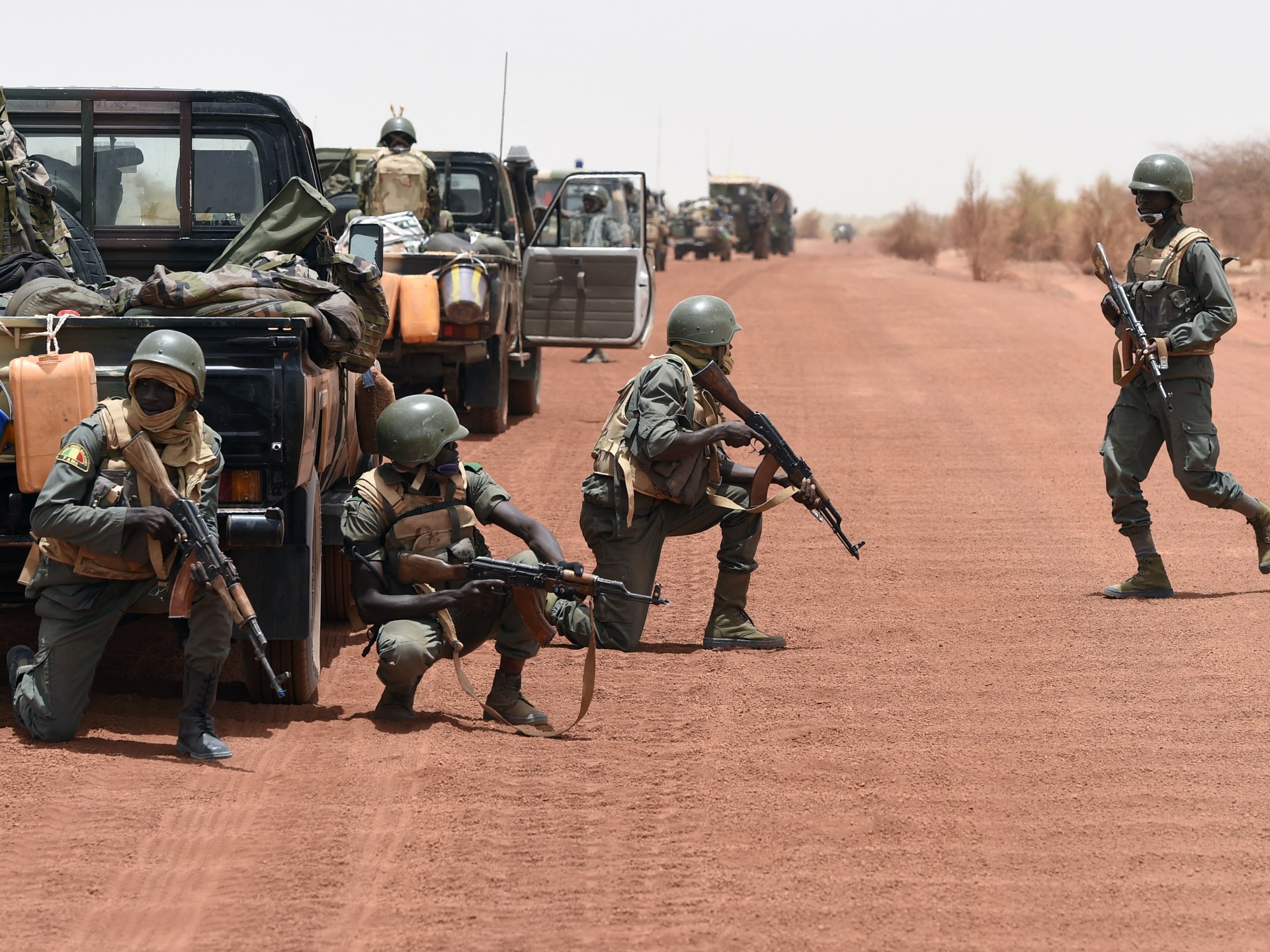
A growing diplomatic rift between Nigeria and the Alliance of Sahel States (AES) is undermining regional efforts to combat cross-border terrorism and instability.
- A diplomatic rift is emerging between Nigeria and the AES (Burkina Faso, Mali, and Niger).
- The withdrawal of AES nations from ECOWAS has fragmented regional security cooperation.
- Terrorist groups like ISWAP and Boko Haram may exploit these coordination gaps.
- The 2011 Libyan crisis remains a foundational cause of regional instability.
Security cooperation in the Sahel region is undergoing a period of dangerous fragmentation. As regional governments adopt diverging approaches to combatting armed insurgencies, the diplomatic bridge between Nigeria and the Alliance of Sahel States (AES) is increasingly strained. A recent incident involving the detention of Nigerian Air Force personnel in Burkina Faso serves as a stark reminder of this growing friction.
The dispute, which centered on an emergency landing of a Nigerian C-130 aircraft, highlighted the lack of trust between the nations. While Nigeria cited technical failures, Burkina Faso raised concerns over unauthorized airspace entry. Although the crew was eventually released, the episode underscored the political distance between Abuja and the trio of Burkina Faso, Mali, and Niger.
Why This Matters
BozokMedia analysis shows that the political decoupling of the AES from ECOWAS creates a security vacuum. When regional blocs fracture, the ability to conduct intelligence sharing and joint military operations diminishes, providing breathing room to non-state actors.
The influx of bandits from the AES into Nigeria can be traced back to the aftermath of the overthrow of Muammar Gaddafi in Libya in 2011.
The withdrawal of Niger from the Multinational Joint Task Force (MNJTF) in early 2025 has further exacerbated the situation. This move, intended to protect Niger's oil assets, has created a massive gap in counter-terrorism efforts around the Lake Chad Basin. Experts warn that ISWAP (Islamic State in West Africa Province) is poised to exploit these poorly coordinated border zones to move personnel and resources freely.
Historical Background
The current instability is deeply rooted in the 2011 Libyan Civil War. The collapse of the Gaddafi regime led to a massive influx of weapons and militants across the Sahara, driving southward into the Sahel and Nigeria. This historical shift transformed the region into a primary target for extremist groups, a reality that has only intensified as formal regional alliances like ECOWAS lose their grip on the Sahelian states.
| Feature | ECOWAS (incl. Nigeria) | AES (Burkina Faso, Mali, Niger) |
|---|---|---|
| Primary Focus | Economic Integration & Stability | Collective Defense & Sovereignty |
| Security Framework | Multilateral (MNJTF) | Independent Military Alliances |
| Diplomatic Status | Regional Hegemon | Withdrawn from Bloc |
Frequently Asked Questions
1. What is the AES?
The Alliance of Sahel States (AES) is a mutual defense pact formed by Burkina Faso, Mali, and Niger following their withdrawal from ECOWAS.
2. How does this affect security?
The lack of coordination between Nigeria and AES countries makes it harder to track terrorists crossing borders, potentially increasing attacks in border states like Borno and Yobe.