A massive spike in severe malnutrition has been recorded in Somalia as international aid cuts force the closure of hundreds of health facilities. UNICEF warns that nearly 1.9 million children are facing malnutrition this year.
- Over 200 health and nutrition facilities have shuttered due to funding cuts.
- There has been a 32% surge in children treated for severe acute malnutrition in early 2026.
- Approximately 1.9 million children are projected to be malnourished this year.
- Drought and rising costs have displaced millions of Somalis.
The humanitarian situation in Somalia has reached a breaking point. The United Nations has issued a stark warning that life-threatening malnutrition is spiking across the East African nation as international aid declines. According to UNICEF, more than 200 health and nutrition facilities have been forced to close their doors, leaving millions without access to life-saving care.
Data released on Friday reveals a 32 percent jump in the number of children admitted to medical facilities for severe acute malnutrition and associated complications during the first half of 2026. UNICEF spokesperson James Elder emphasized that these funding gaps are not just numbers; they represent the closure of healthcare, education, and protection services for the most vulnerable populations.
Why This Matters
BozokMedia analysis shows that the crisis in Somalia is a direct consequence of shifting global priorities. As Western nations slash humanitarian budgets, the gap between need and resources is widening at a catastrophic rate. The 80% drop in funding for acute malnutrition in certain regions highlights a systemic failure in the global humanitarian response mechanism.
"In Somalia today, aid cuts are closing doors to healthcare, shutting down nutrition services, and pushing water, education and protection further out of reach." — James Elder, UNICEF Spokesperson
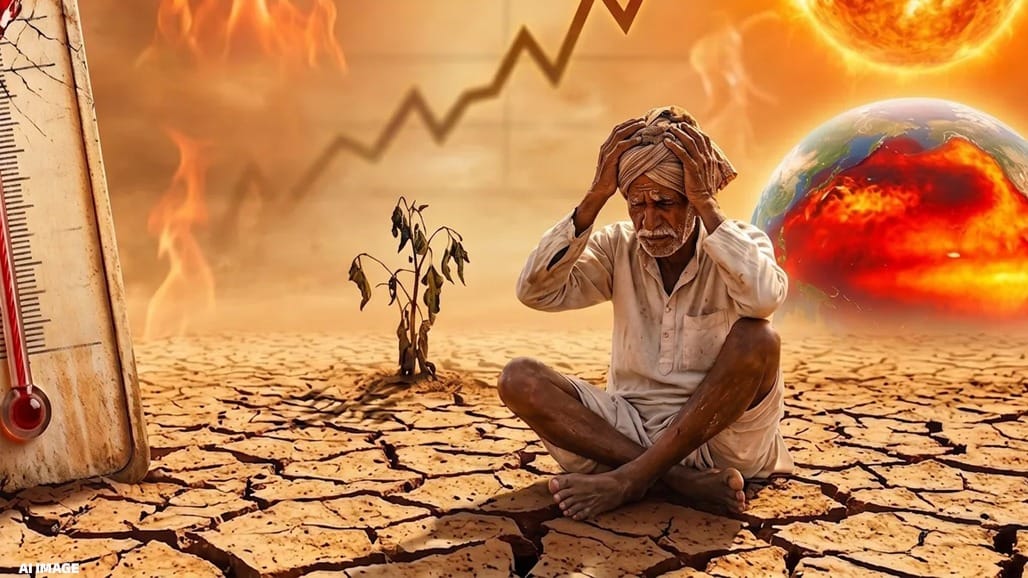
The crisis is exacerbated by a perfect storm of environmental and economic factors. A devastating drought has decimated livestock and ruined harvests, displacing nearly 500,000 people between January and April alone. This adds to the 3.3 million Somalis who are already uprooted. Furthermore, the rising costs of fuel and fertilizer—driven by geopolitical tensions in the Middle East—have caused prices in rural areas to quadruple.
Historical Context
Somalia has long been vulnerable to climate shocks, including cyclical droughts and devastating floods. For decades, the country's stability has been undermined by conflict, making it heavily dependent on international humanitarian assistance to prevent mass starvation events.
Frequently Asked Questions
1. Why are health facilities closing in Somalia?
The closures are primarily due to massive cuts in international humanitarian aid and funding shortages.
2. How many children are expected to be affected by malnutrition?
UNICEF projects that nearly 1.9 million children will be malnourished in Somalia this year.