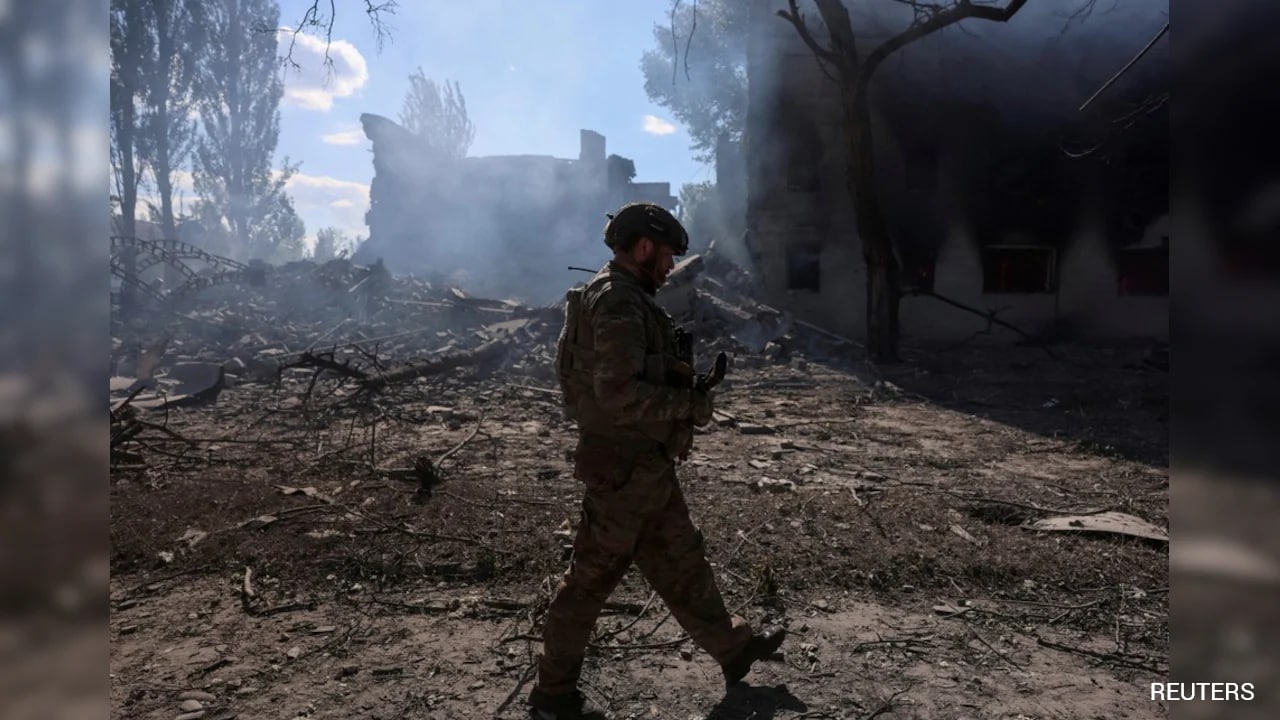
A critical update for UAE residents as geopolitical shifts involving Donald Trump's Iran policy, rising tensions in the Strait of Hormuz, and changes in economic ties create uncertainty in trade and aviation.
- Donald Trump's potential Iran deal push is reshaping regional diplomacy.
- Increased tensions in the Strait of Hormuz are impacting maritime security and oil markets.
- The UAE has implemented financial measures following missile threats targeting maritime traffic.
Residents of the United Arab Emirates (UAE) are navigating a complex landscape of geopolitical uncertainty. As news breaks regarding Donald Trump's potential push for a renewed Iran deal, the region remains on edge due to escalating tensions in the Strait of Hormuz. The intersection of high-level diplomacy and immediate military threats has created a volatile environment for both residents and global markets.
Recent developments indicate that the UAE has moved toward imposing financial embargoes on Iran following reports of missiles targeting maritime traffic. While Tehran has officially denied targeting the UAE, the move by the Emirates reflects a strategic shift to protect its critical economic corridors. This instability has sent ripples through the aviation sector, with flight statuses being closely monitored for potential disruptions.
Why This Matters
BozokMedia analysis shows that the stability of the Strait of Hormuz is synonymous with global energy security. Any disruption in this narrow waterway doesn't just affect regional trade; it triggers a massive spike in crude oil futures and alters global shipping routes, impacting economies far beyond the Middle East.
The convergence of US political shifts and regional maritime threats represents one of the most significant risks to global supply chain stability this year.
Furthermore, the economic decoupling between the UAE and Iran is creating a new reality for businesses operating in the Gulf. As crude oil prices rise in response to these tensions, the cost of living and logistics in the region may face upward pressure.
Historical Background
The Strait of Hormuz has long been a geopolitical flashpoint. Controlling or threatening this chokepoint has historically been a primary lever of influence for regional powers, making any military escalation a matter of extreme global concern.
Frequently Asked Questions
1. Are flights in the UAE affected by the current tensions?
While most flights are operational, travelers are advised to monitor real-time updates from airlines due to potential airspace adjustments.
2. What is the impact on oil prices?
Tensions in the Hormuz region typically lead to an immediate rise in crude oil futures due to fears of supply disruptions.