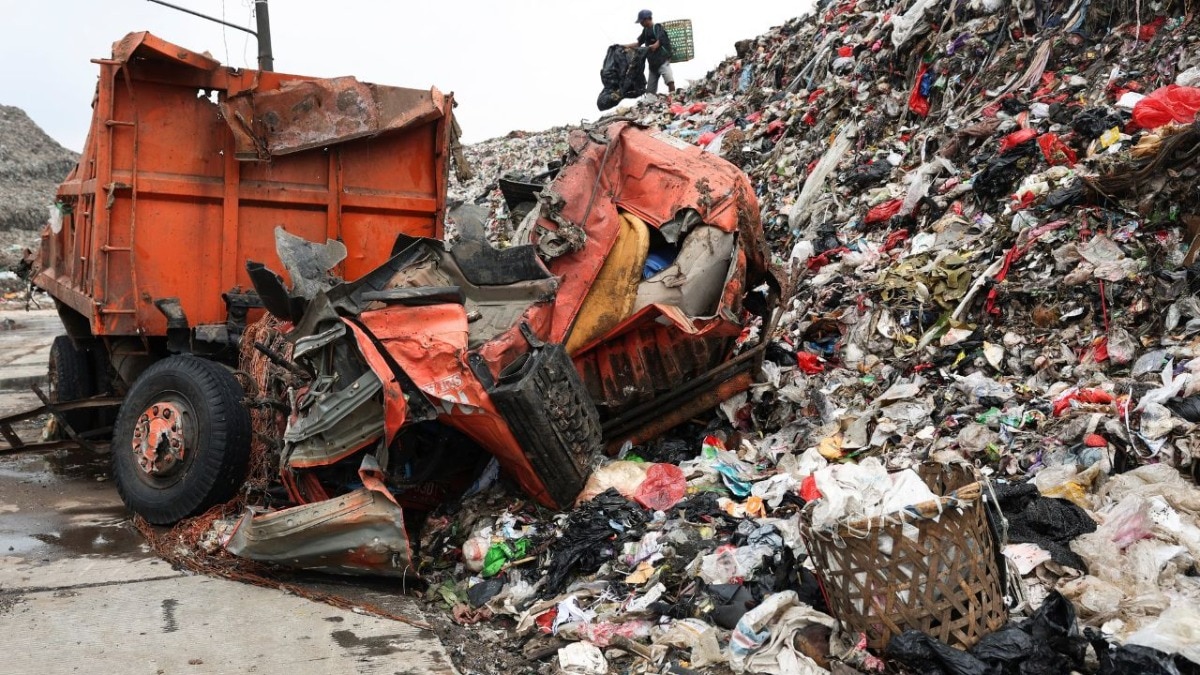
A massive mound of refuse collapsed at the Dar Es Salam landfill in Conakry, Guinea, following torrential overnight rains, claiming at least 22 lives. The disaster struck just as authorities were preparing to close the site.
- A massive garbage mound collapsed at the Dar Es Salam landfill in Conakry, Guinea.
- At least 22 people are confirmed dead following the overnight torrential rains.
- The disaster occurred on the same day authorities planned to decommission the site.
A catastrophic incident occurred in Conakry, the capital of Guinea, as a towering mound of refuse at the Dar Es Salam landfill gave way under the weight of heavy overnight rainfall. The collapse, which took place around 3 AM local time, sent a deluge of waste onto nearby makeshift settlements, burying residents under tons of debris. At least 22 fatalities have been reported so far.
Emergency response teams and search and rescue operations are currently underway, working frantically to locate survivors trapped beneath the filth and earth. Officials have cautioned that the current death toll is provisional and is expected to rise as recovery efforts continue. The tragedy is particularly poignant as it unfolded on the very day the government had scheduled to close the landfill and begin the relocation of nearby families.
Why This Matters
BozokMedia analysis shows that this event highlights the lethal intersection of rapid urbanization and inadequate waste management infrastructure. When landfill sites are located in close proximity to vulnerable populations without adequate buffer zones, environmental hazards transform into humanitarian disasters.
The failure to proactively relocate residents before a known hazard occurs is a systemic breakdown of public safety protocols.
Dienabou Toure, the Minister of Territorial Administration and Decentralization, stated that the government is committed to moving the remaining families to safer locations. While many residents had received eviction notices, a significant number had not yet vacated the area, leaving them exposed to the sudden landslide.
Historical Context
This is not an isolated incident for the region. In August 2025, a landslide in the Maneah area of the Coyah prefecture killed 11 people. Furthermore, the Dar Es Salam landfill itself has a dark history, having suffered a similar deadly collapse in 2017 that resulted in multiple casualties. The recurring nature of these disasters points to a long-standing environmental crisis in Guinea.
| Event Year | Location | Cause | Casualties |
|---|---|---|---|
| 2017 | Dar Es Salam Landfill | Garbage Collapse | Multiple |
| 2025 | Maneah, Coyah | Heavy Rain/Landslide | 11 Dead |
| 2026 | Dar Es Salam Landfill | Heavy Rain/Garbage Collapse | 22+ Dead |
Frequently Asked Questions
Q1: What caused the collapse in Guinea?
A: Torrential overnight rain caused the massive garbage mound at the Dar Es Salam landfill to become unstable and collapse.
Q2: Is the government taking action for the survivors?
A: Yes, the Minister of Territorial Administration has pledged to relocate the remaining families to safer areas.