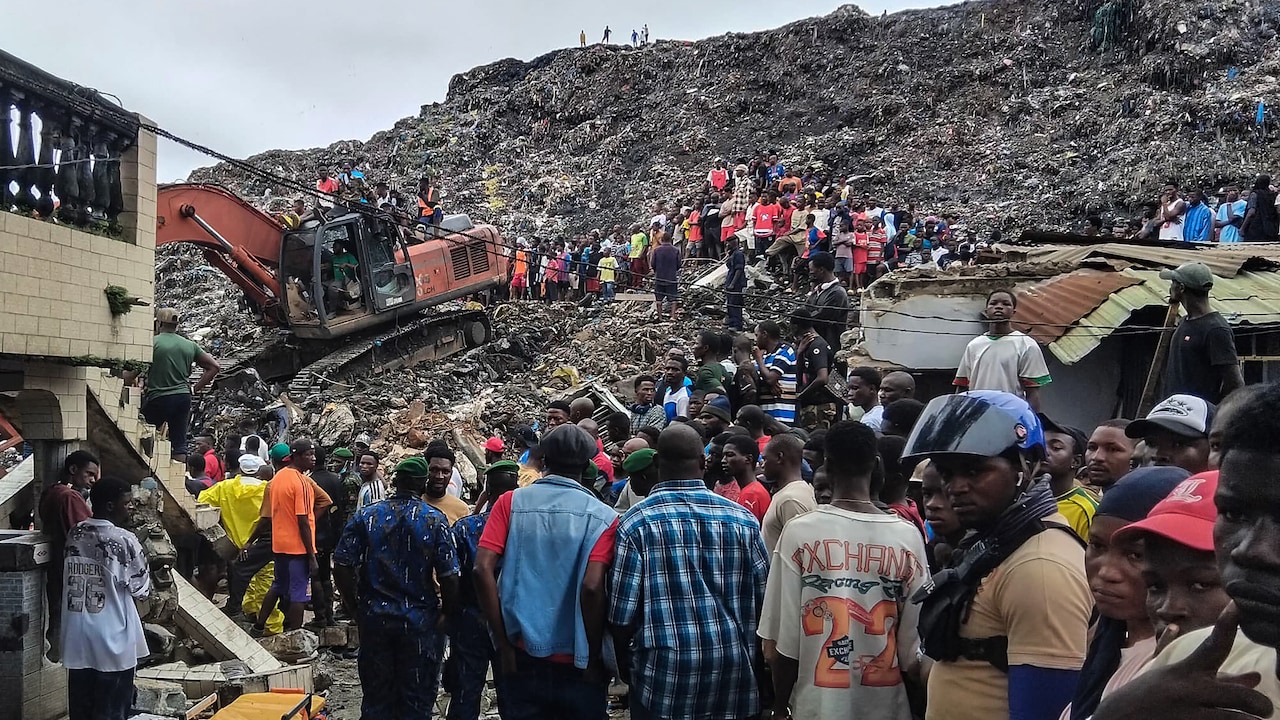
Despite the looming threat of the Ebola virus in the Democratic Republic of Congo, artisanal miners continue to dig for gold to combat extreme poverty, creating a high-risk environment for disease transmission.
- The Ebola outbreak in DR Congo is creating a massive public health emergency.
- Economic desperation is driving artisanal miners to continue illegal gold mining operations.
- The convergence of mining and virus outbreaks significantly increases transmission risks.
The Democratic Republic of Congo (DRC) is currently facing a multifaceted crisis where public health emergencies intersect with extreme economic hardship. As the Ebola virus continues to threaten communities, artisanal miners are reportedly ignoring health warnings to pursue gold extraction. This dangerous behavior is driven by a lack of alternative livelihoods, pushing thousands into high-risk zones.
Mining sites, often characterized by dense populations, poor sanitation, and close contact with wildlife, serve as perfect breeding grounds for viral transmission. The pursuit of gold in remote jungle areas not only destabilizes the local ecology but also creates a bridge for zoonotic diseases to jump from animals to humans.
Why This Matters
BozokMedia analysis shows that medical interventions like vaccination programs are significantly undermined when the underlying driver—poverty—remains unaddressed. The struggle between survival through mining and survival through health protocols is the defining conflict of this outbreak.
Economic necessity often overrides biological survival instincts, making epidemic control an uphill battle in resource-rich but impoverished regions.
Efforts to combat the virus have seen some success with the arrival of over 16,000 doses of the Ervebo vaccine in the affected regions. However, the logistical challenge of reaching remote mining camps and the social challenge of building community trust remain significant hurdles for global health organizations.
Looking back at historical outbreaks, such as the deadly Bundibugyo Ebola outbreak, it is evident that containment requires more than just medicine; it requires social stability. The current situation in the DRC highlights a recurring pattern where natural resource wealth fails to protect the very people extracting it from biological catastrophes.
Frequently Asked Questions
Question 1: How does Ebola spread in mining communities?
Answer: It spreads through direct contact with infected bodily fluids and can be introduced through contact with infected wildlife during mining activities.
Question 2: Is the Ervebo vaccine effective?
Answer: Yes, the Ervebo vaccine has shown high efficacy in protecting against the Zaire ebolavirus strain, though deployment remains a challenge.