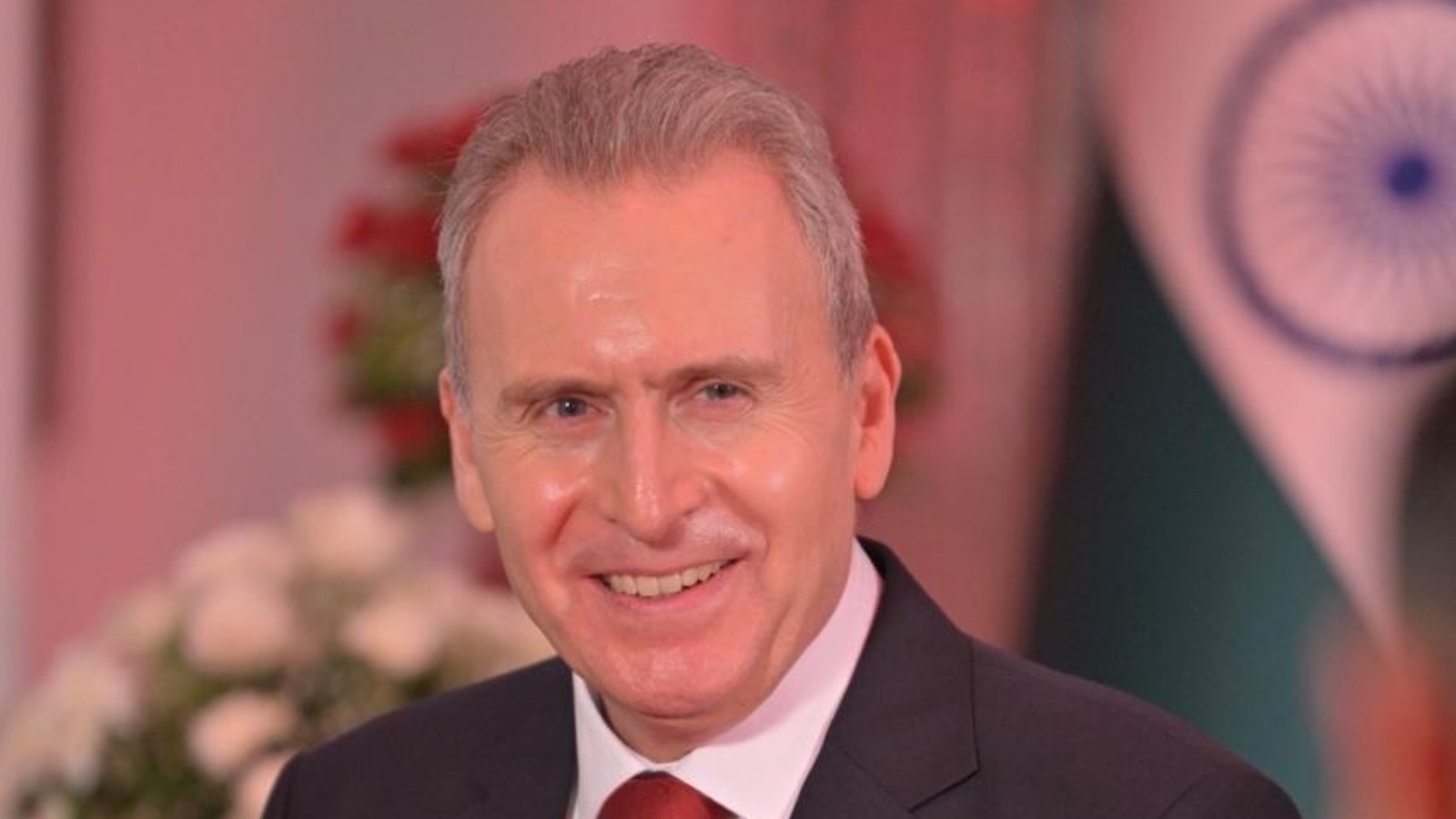
Turkiye's Ambassador to India, Ali Murat Ersoy, highlights the vast, untapped potential in bilateral relations, focusing on tourism, trade, and cultural exchange despite past geopolitical tensions.
- India-Turkiye relations span tourism, trade, defense-adjacent cooperation, and education.
- Tourist arrivals are recovering steadily after the 2025 geopolitical boycott.
- The Ambassador is addressing concerns regarding high visa costs for Indian travelers.
In a significant diplomatic outreach, Ali Murat Ersoy, the Ambassador of Turkiye to India, has emphasized the "tremendous, largely untapped potential" existing across every pillar of India-Turkiye relations. Speaking on the current state of bilateral ties, Ersoy expressed optimism about the recovery of mutual interests following a period of geopolitical friction.
The relationship faced a severe test in 2025 following 'Operation Sindoor,' a period where Ankara's geopolitical stances led to a widespread boycott of Turkiye by Indian travelers and businesses. This resulted in a sharp decline in tourist arrivals. However, Ersoy noted that the momentum is building back, with approximately 120,000 Indian tourists visiting between January and August this year.
Why This Matters
BozokMedia analysis shows that tourism serves as a vital 'soft power' bridge. While formal diplomacy can be frozen by political disputes, people-to-people connections through travel often remain resilient, acting as a buffer that prevents a total breakdown in bilateral engagement.
Building a multi-dimensional relationship is the key to insulating bilateral ties from short-term geopolitical disruptions.
The Ambassador highlighted that while tourism is the most visible pillar, the relationship is diversifying into critical sectors. Turkish businesses are showing increasing interest in India's construction, textiles, and infrastructure sectors, while Indian investment in Turkiye is also on the rise.
The Pillars of Cooperation
According to Ersoy, the strengthening ties are built on several key foundations:
- Economic Trade: Expanding footprints in infrastructure and textiles.
- Education & Culture: Increasing academic partnerships and the rising popularity of Turkish cultural content in India.
- Tourism Diversification: Moving beyond traditional spots like Antalya to heritage sites like Mardin and culinary hubs like Gaziantep.
One significant hurdle identified is the cost of travel. Ersoy acknowledged that Turkiye's visa fees are among the highest globally, even exceeding those of the US and EU. He stated that while visa policy is managed by the Ministry of Foreign Affairs, the Turkish mission is actively relaying market feedback to make the country more accessible to the Indian demographic.
Historical Background
Historically, India and Turkiye have navigated a complex landscape. Tensions often arise from differing views on regional security and South Asian geopolitics. However, the economic interdependence and the growing appetite for cultural exchange have consistently provided a pathway for diplomatic re-engagement.
Frequently Asked Questions
1. Is the India-Turkiye relationship improving?
Yes, according to the Ambassador, there is a steady recovery in tourism and growing interest in trade sectors.
2. Will Turkiye reduce visa fees for Indians?
The Ambassador is communicating this concern to the relevant authorities, though final decisions rest with the Ministry of Foreign Affairs.