External Affairs Minister S Jaishankar has called for finding 'common ground' in India-Bangladesh relations, amid growing uncertainty over the extradition of ousted PM Sheikh Hasina.
- S Jaishankar emphasized that bilateral relationships must meet the extent of mutual interests to function.
- The extradition demand for Sheikh Hasina remains a major friction point between New Delhi and Dhaka.
- Jaishankar advocated for 'de-risking' and 'diversification' in global supply chains.
- Peace at the borders is a prerequisite for stable relations with China.
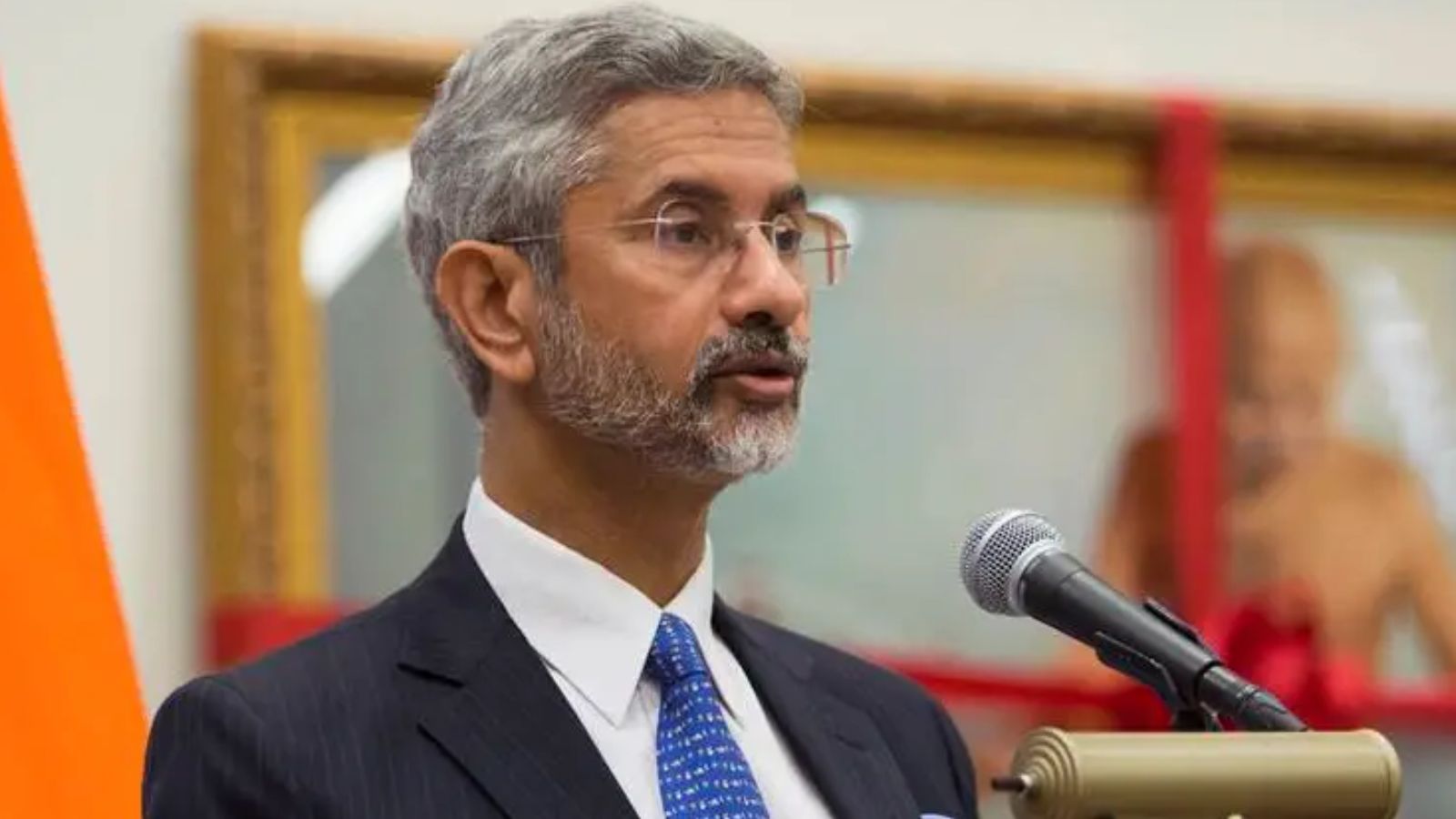
Amidst the complex diplomatic maneuvering between India and Bangladesh, External Affairs Minister S Jaishankar stated on Saturday that the two nations must look toward "mutual interests" and meet at a "common ground." His remarks come at a critical juncture where the visit of Bangladesh Prime Minister Tarique Rahman to India is clouded by the unresolved issue of Sheikh Hasina's extradition.
Responding to queries regarding Dhaka's demand for the extradition of the ousted Prime Minister, Jaishankar spoke at the Economic Times World Leaders Forum. He noted that for any relationship to thrive, it must work for both parties. "I am also realistic. I am not expecting neighbours to only do what is in my interest," he remarked, highlighting the need for mutual respect in diplomatic endeavors.
Why This Matters
BozokMedia analysis shows that the shift in power in Bangladesh has created a volatile environment for Indian foreign policy. The tension surrounding Sheikh Hasina, who currently seeks refuge in India, has become a litmus test for the new administration in Dhaka and its ability to maintain regional stability without compromising nationalistic sentiments.
Relationships, at the end of the day, are a kind of mutuality which underpins that exercise.
Beyond bilateral ties, Jaishankar addressed the global economic landscape, promoting a strategy of "de-risking." He warned against the volatility of energy and fertilizer markets, suggesting that the old mantra of "trust but verify" should be replaced by "distrust and diversify." He urged policymakers and businesses to build margins of safety into their supply chains rather than relying solely on the lowest cost.
Regarding China, the External Affairs Minister maintained a pragmatic stance. While acknowledging the friction caused by border disputes between 2020 and 2024, he noted that peace on the borders is essential for healthy relations. He emphasized that India must build its industrial and manufacturing strengths to compete confidently with the Chinese economy.
Historical Background
The relationship between India and Bangladesh underwent a significant shift following the August 2024 ouster of Sheikh Hasina. For years, the Hasina administration was seen as a close ally of New Delhi, but her departure and subsequent refuge in India have strained ties with the current leadership in Dhaka, which faces internal pressure regarding her extradition.
Frequently Asked Questions
1. What is the main cause of the current tension between India and Bangladesh?
The primary cause is the demand from the Bangladeshi government for the extradition of former PM Sheikh Hasina, who is currently in India.
2. How does Jaishankar view the relationship with China?
He views it as a complex, competitive yet potentially collaborative relationship that requires India to strengthen its own manufacturing and economic capabilities.