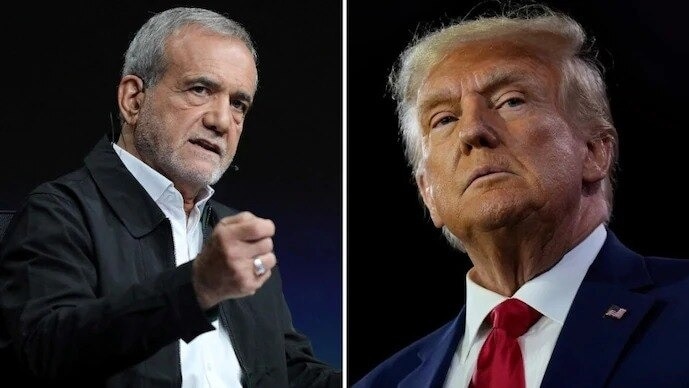
Iranian President Masoud Pezeshkian has defended the memorandum of understanding with the US, calling it the best way to navigate the country out of its current 'neither war nor peace' deadlock. He emphasized that the deal does not constitute surrender.
- President Pezeshkian views the US deal as a way to escape the 'neither war nor peace' stalemate.
- He explicitly stated that the agreement contains no provisions for surrender.
- The Iranian economy is suffering heavily due to sanctions and naval blockades.
- The 60-day deadline for the MoU has expired without a final resolution on key issues.
Iranian President Masoud Pezeshkian has formally voiced his support for the memorandum of understanding (MoU) with the United States. Describing the current state of the nation as a precarious balance of 'neither war nor peace,' he argued that the agreement offers the most viable route to stability. This stance comes at a critical juncture as regional tensions continue to escalate.
In a statement released via the state news agency IRNA, President Pezeshkian clarified that the diplomatic move is not a sign of weakness. "There is not a single provision in this agreement that equates to surrender," he asserted. He further emphasized that all strategic decisions and policy implementations will remain strictly aligned with the directives of the Supreme Leader, ensuring domestic political continuity.
Why This Matters
BozokMedia analysis shows that Iran's pivot toward diplomacy is deeply intertwined with its deteriorating economic landscape. The ongoing six-month conflict has stifled foreign investment, leaving the nation vulnerable to the effects of intense sanctions and naval blockades in the Strait of Hormuz. For Iran, the deal is as much about economic survival as it is about security.
The agreement is a strategic necessity to navigate the economic fallout of prolonged regional instability.
The memorandum, signed in June under the administration of US President Donald Trump, included a 60-day timeline to resolve issues regarding Iran's nuclear program and the cessation of hostilities. However, that deadline passed last week without a definitive breakthrough, particularly concerning the reopening of the Strait of Hormuz for global shipping.
While the presidency seeks a diplomatic exit, Iran's security apparatus maintains a more aggressive posture. The newly appointed head of Iran's top security agency has issued a stern warning, stating that any support from neighboring countries for US-led sanctions will trigger significant retaliatory actions from Tehran.
| Feature | Diplomatic Stance (President) | Security Stance (Security Chief) |
|---|---|---|
| Primary Goal | Economic stability & Peace | National Defense & Deterrence |
| View on US | Negotiation partner | Aggressor/Threat |
Frequently Asked Questions
1. Is Iran surrendering to US demands?
No, President Pezeshkian has explicitly denied that the MoU involves any form of surrender.
2. Why hasn't the deal been finalized?
Disagreements over the nuclear program and naval control in the Strait of Hormuz remain major hurdles.