Reports suggest Iran has been invited to join the Makkah Pact, a defense alliance between Saudi Arabia, Pakistan, and Turkey. This move could redefine Middle Eastern geopolitics.
- Iran has reportedly received an invitation to join the 'Makkah Pact' involving Saudi Arabia, Pakistan, and Turkey.
- No official confirmation has been released by any of the involved nations yet.
- The Makkah Pact functions on a collective defense principle: an attack on one is an attack on all.
- Iran has previously indicated it has no objection to the formation of this regional security arrangement.
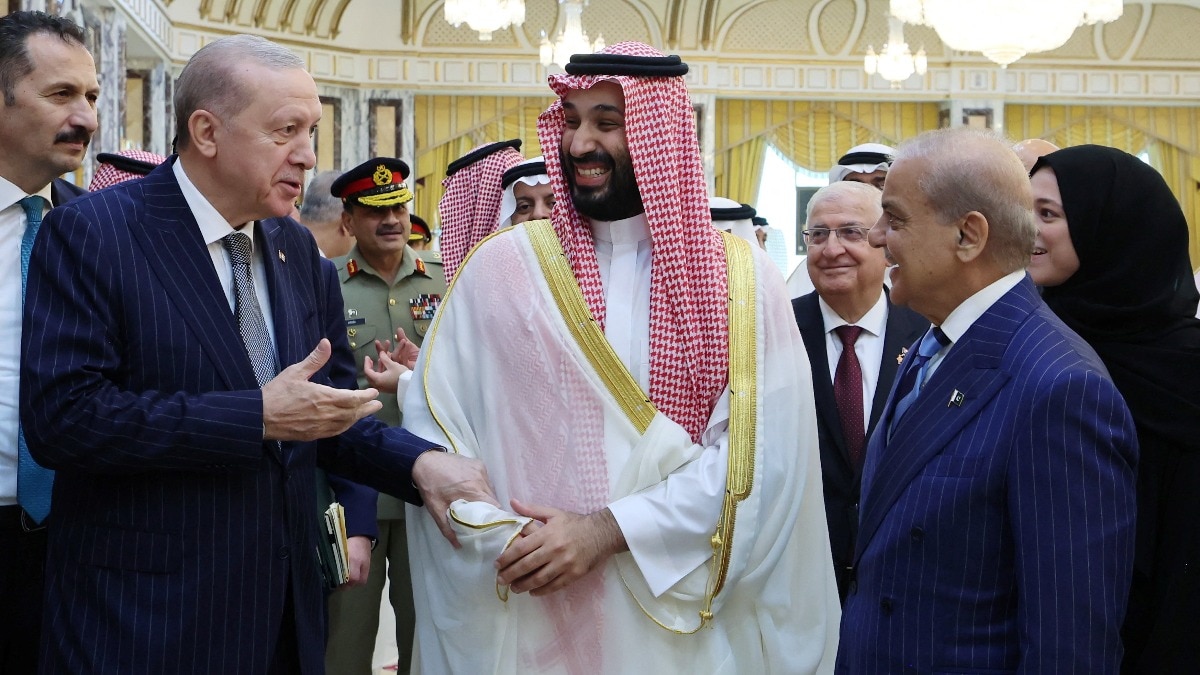
A massive geopolitical shift is brewing in West Asia. Reports are circulating that Iran has been invited to join the Makkah Pact, a strategic defense alliance currently composed of Saudi Arabia, Pakistan, and Turkey. While the move remains unconfirmed by official government channels, the implications for regional stability are profound.
The claim surfaced via Al Mayadeen, citing Mehdi Rahimi, head of the Iranian Parliament's news agency. According to Rahimi, the proposal is currently under deliberation in Tehran. This suggests that regional powers are moving toward a collective security framework to safeguard their shared interests.
Why This Matters
BozokMedia analysis shows that Iran's potential inclusion in a Saudi-led defense framework would mark a historic departure from decades of intense rivalry. This integration could effectively neutralize proxy conflicts in regions like Yemen and stabilize the volatile Persian Gulf corridor.
The transition from regional rivalry to collective defense could be the most significant diplomatic pivot in modern Middle Eastern history.
Understanding the Makkah Pact
Signed on August 7 in Makkah, this pact establishes a robust military cooperation framework. Its core components include:
| Feature | Description |
|---|---|
| Core Principle | Collective Defense (Similar to NATO Article 5) |
| Founding Members | Saudi Arabia, Pakistan, Turkey |
| Primary Goal | Mutual defense and joint military exercises |
| Industrial Focus | Cooperation in defense manufacturing and technology |
Historical Background
For years, Saudi Arabia and Iran have been locked in a cold war, influencing conflicts from Yemen to Lebanon. While Saudi Arabia supported internationally recognized governments, Iran maintained ties with groups like the Houthis. Although China-brokered diplomacy in 2023 began thawing relations, the potential entry of Iran into this defense pact represents a much deeper level of strategic alignment.
Frequently Asked Questions
1. Is the Makkah Pact directed against any specific country?
No, the member states have explicitly stated that the pact is intended for regional security and is not aimed at any particular nation.
2. What is Iran's current stance?
While not officially confirmed, Iran has previously stated that it sees no reason to oppose regional security arrangements made by neighboring states.