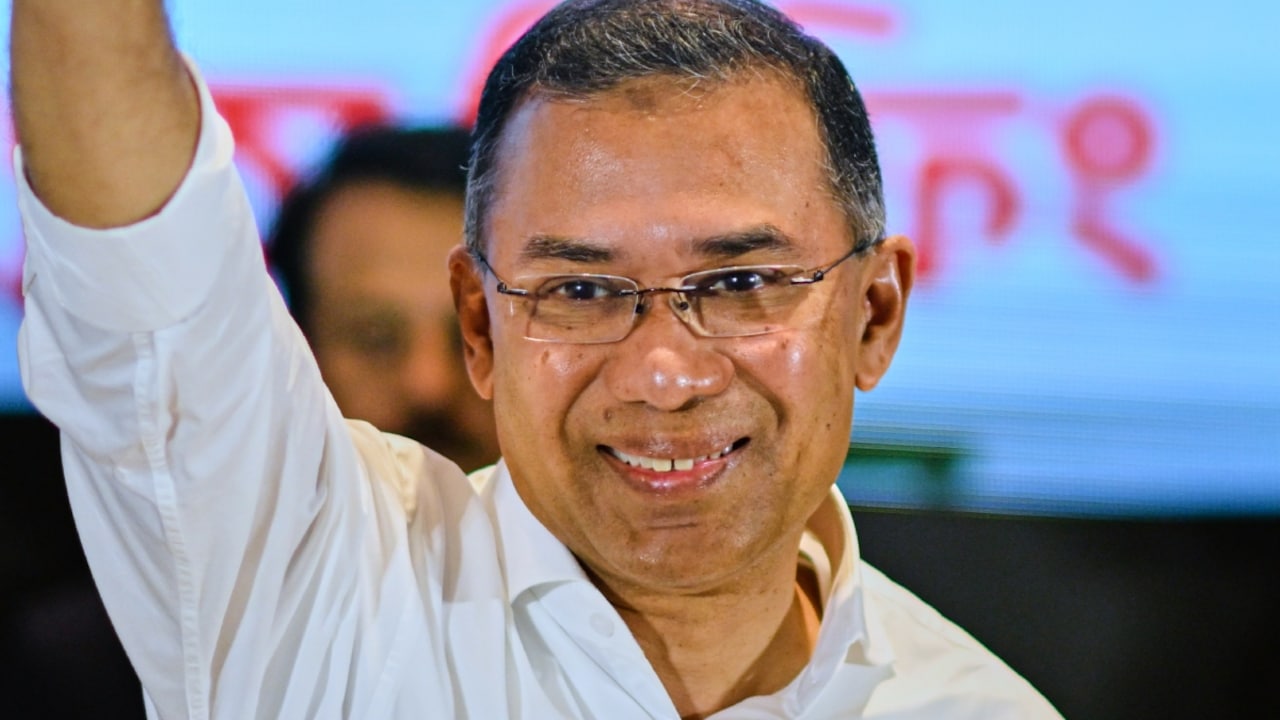
Internal fractures within Bangladesh's ruling establishment are casting doubt on Tarique Rahman's diplomatic outreach to India. The shadow of Sheikh Hasina remains the primary obstacle.
- Political factions within Bangladesh are divided over diplomatic strategies.
- The political status of Sheikh Hasina is the central point of contention.
- Mirza Fakhrul advocates for maintaining stability with India.
The political landscape in Bangladesh is currently experiencing a profound schism that threatens to complicate its most critical foreign relations. The potential visit of Tarique Rahman to India, a move seen as a vital step for diplomatic recalibration, is now shrouded in uncertainty due to internal disagreements within the ruling establishment.
At the heart of this geopolitical tension is the polarizing figure of Sheikh Hasina. Her legacy and the political vacuum or influence she leaves behind have become the primary sticking point for various factions within the country, creating a complex environment for any high-level diplomatic engagement.
Why This Matters
BozokMedia analysis shows that the internal stability of Bangladesh is inextricably linked to the security and economic interests of South Asia. A fragmented leadership in Dhaka could lead to unpredictable shifts in border management, trade policies, and regional security cooperation with New Delhi.
The outcome of Bangladesh's internal political struggle will dictate the future of South Asian maritime and land security for decades.
Despite the prevailing tension, there are voices calling for pragmatism. Mirza Fakhrul, the President of Bangladesh and former General Secretary of the BNP, has emerged as a proponent of stability. He has signaled a preference for maintaining a functional and steady relationship with India, rather than pursuing a path of confrontation.
Historically, Bangladesh's relationship with India has undergone significant transformations during periods of regime change. The current friction mirrors past eras where domestic political shifts necessitated a complete overhaul of bilateral protocols. The ability of the current leadership to navigate these waters will determine the country's international standing.
Frequently Asked Questions
Question 1: What is the main obstacle to Tarique Rahman's visit?
Answer: The primary obstacle is the internal division regarding the political role and influence of Sheikh Hasina.
Question 2: How does Mirza Fakhrul view India?
Answer: Mirza Fakhrul favors a stable and constructive relationship with India to ensure national stability.

