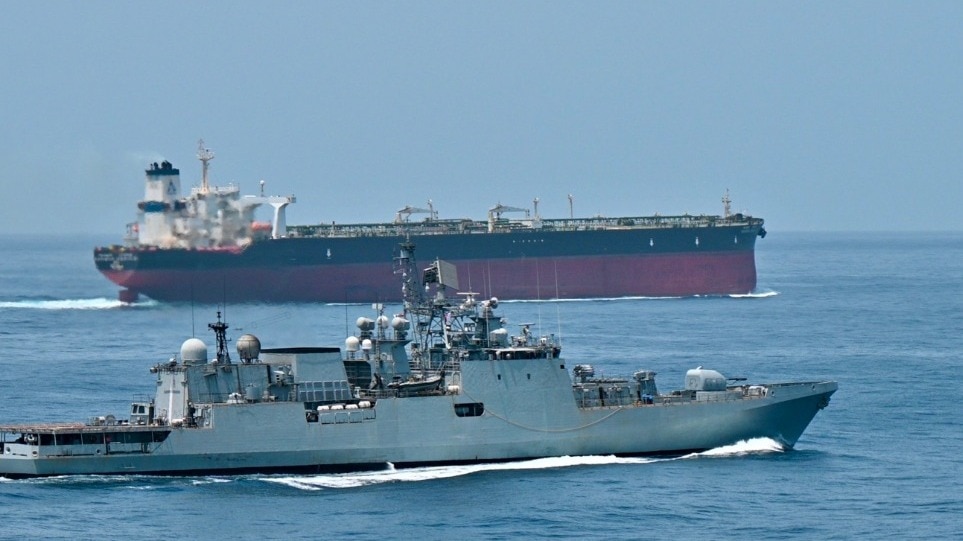
As tensions escalate in the Middle East, global shipping giants are pivoting toward the Arctic, signaling a massive shift in geopolitical and economic power.
- Escalating conflict in the Middle East is jeopardizing traditional maritime routes.
- The Arctic Ocean is emerging as a strategic alternative for Europe-Asia trade.
- This shift increases competition between U.S. allies and rivals in the polar region.
The geopolitical tremors caused by the ongoing Iran conflict are being felt far beyond the borders of the Middle East. As traditional shipping lanes, particularly those passing through the Red Sea and the Suez Canal, become battlegrounds of uncertainty, a new and treacherous frontier is emerging: the Arctic. This shift represents one of the most significant transformations in global logistics in the modern era.
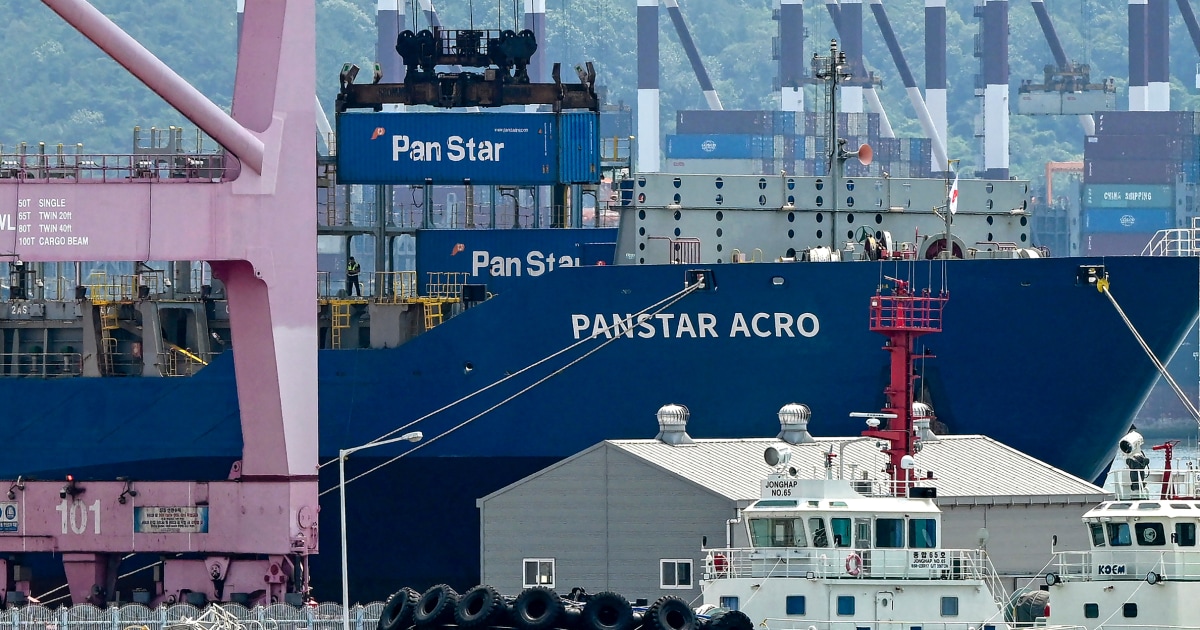
A striking visual of this transition was seen at Busan New Port, where the South Korean container ship 'Panstar Acro' prepared for a voyage toward Europe via the Arctic. This is not merely a logistical detour; it is a symptom of a world where established trade corridors are no longer guaranteed to be safe. For American officials, the Arctic presents a complex puzzle—balancing the needs of allies seeking stability with the growing presence of rivals like Russia and China in the high north.
Why This Matters
BozokMedia analysis shows that the pivot to the Arctic is a direct consequence of the weaponization of maritime chokepoints. As conflict in the Middle East makes the Suez route a high-risk zone, the Arctic offers a shorter, albeit much harsher, alternative. This shift is fundamentally altering the strategic calculus for global superpowers.
The opening of Arctic trade routes is not just a commercial evolution; it is a geopolitical realignment that moves the center of gravity toward the poles.
Historically, the Arctic was considered an impassable barrier for commercial shipping. However, the dual forces of climate change—melting ice—and advanced ice-breaking technology are turning this frozen wasteland into a vital artery for global commerce.
Historical Background
For much of the 20th century, the Arctic was a theater of scientific study and Cold War military posturing. It was never intended to be a primary corridor for containerized trade. However, as global tensions in the southern hemisphere rise, the 'Polar Silk Road' and other northern routes are transitioning from theoretical concepts to operational realities.
| Feature | Traditional Route (Suez) | Arctic Route (NSR) |
|---|---|---|
| Risk Factor | High (War/Terrorism) | Medium (Weather/Ice) |
| Distance | Longer | Significantly Shorter |
| Geopolitical Status | Volatile | Contested/Emerging |
Frequently Asked Questions
Question 1: Why is the Iran war affecting the Arctic?
Answer: The conflict makes Middle Eastern routes unsafe, forcing ships to seek alternative paths like the Arctic.
Question 2: Is the Arctic route commercially viable?
Answer: While shorter, it requires specialized vessels and faces extreme weather challenges.