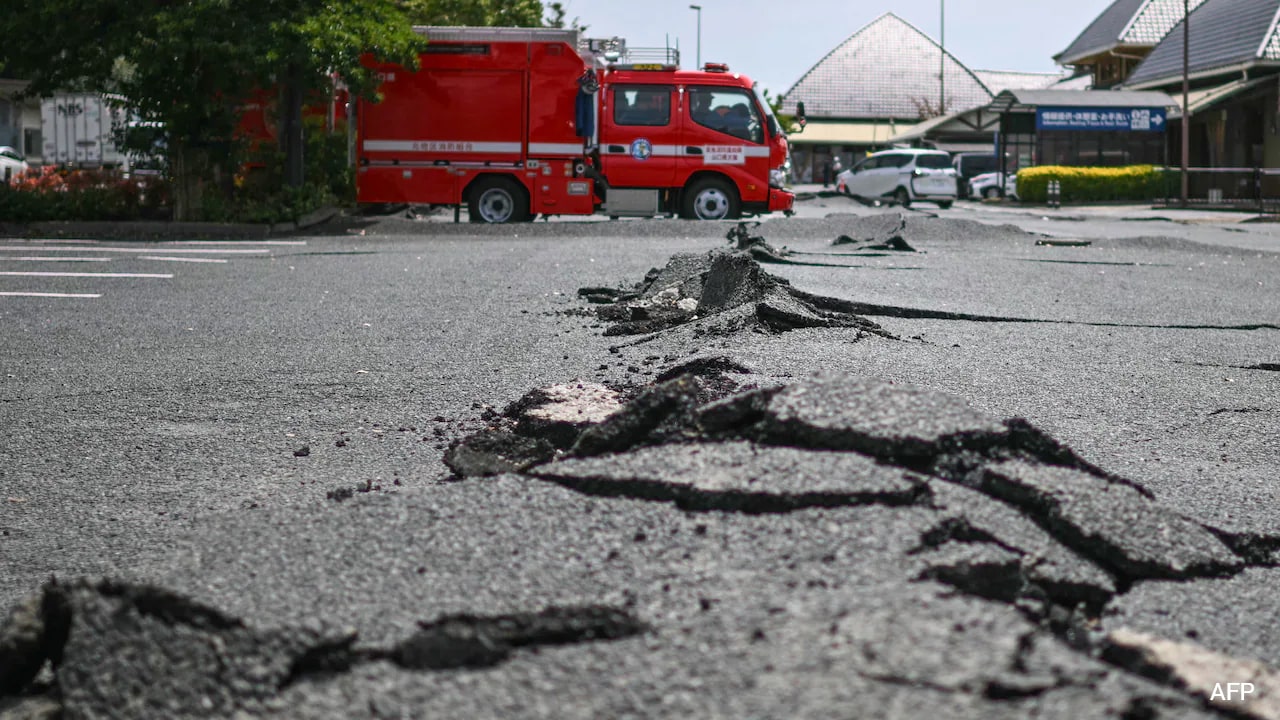
As Hawaii struggles to recover from the destruction of Hurricane Lala, Tropical Storm Moke is now threatening the Big Island with heavy rain and potential mudslides.
- Tropical Storm Moke is moving toward the Hawaii Big Island.
- The region is still recovering from the severe impact of Hurricane Lala.
- Heavy rainfall of up to 38 cm is expected in some areas.
- Risks of flooding, mudslides, and power outages remain high.
Honolulu: Tropical Storm Moke has begun its approach toward the Hawaiian Islands, bringing renewed fears of flooding and landslides to the Big Island. This weather event follows closely on the heels of Hurricane Lala, which left a trail of destruction, including two confirmed deaths and massive infrastructure damage across the region.
The storm, which formed in the Pacific Ocean on Friday, is expected to pass south of the island, bringing significant wind and rain. Meteorologist Casey Oswant from the National Weather Service noted that while Moke might not match the sheer intensity of Lala, its impact could be exacerbated by the already saturated ground. Rainfall forecasts suggest between 13 to 25 centimeters for the southeast portions, with isolated pockets potentially seeing up to 38 centimeters.
Why This Matters
BozokMedia analysis shows that the sequential nature of these storms creates a compounding disaster effect. When a landscape is already destabilized by one major event, a secondary storm—even a less intense one—can trigger catastrophic secondary hazards like massive mudslides and prolonged utility failures.
The primary danger lies in the saturated ground; even moderate rain can trigger life-threatening mudslides in steep areas.
The aftermath of Hurricane Lala remains visible, with over 8,000 customers still without power and roads heavily obstructed by debris and mud. Hawaii Governor Josh Green has urged residents to prepare by restocking essential medicines and food supplies. Local residents in areas like Keaau report a palpable sense of tension as floodwaters have previously turned streets into rushing rivers.
Historical Background
The Hawaiian archipelago is frequently subject to tropical disturbances originating in the Pacific. Over decades, the increasing frequency of such storms has prompted calls for more robust disaster management strategies and improved infrastructure resilience to combat the rising threats of climate-induced weather extremes.
Frequently Asked Questions
Question 1: Is Tropical Storm Moke as dangerous as Hurricane Lala?
Answer: While wind speeds may be lower, the risk of flooding and mudslides is extremely high due to previous storm damage.
Question 2: What should residents do?
Answer: Authorities recommend monitoring weather updates closely and ensuring essential supplies are available.