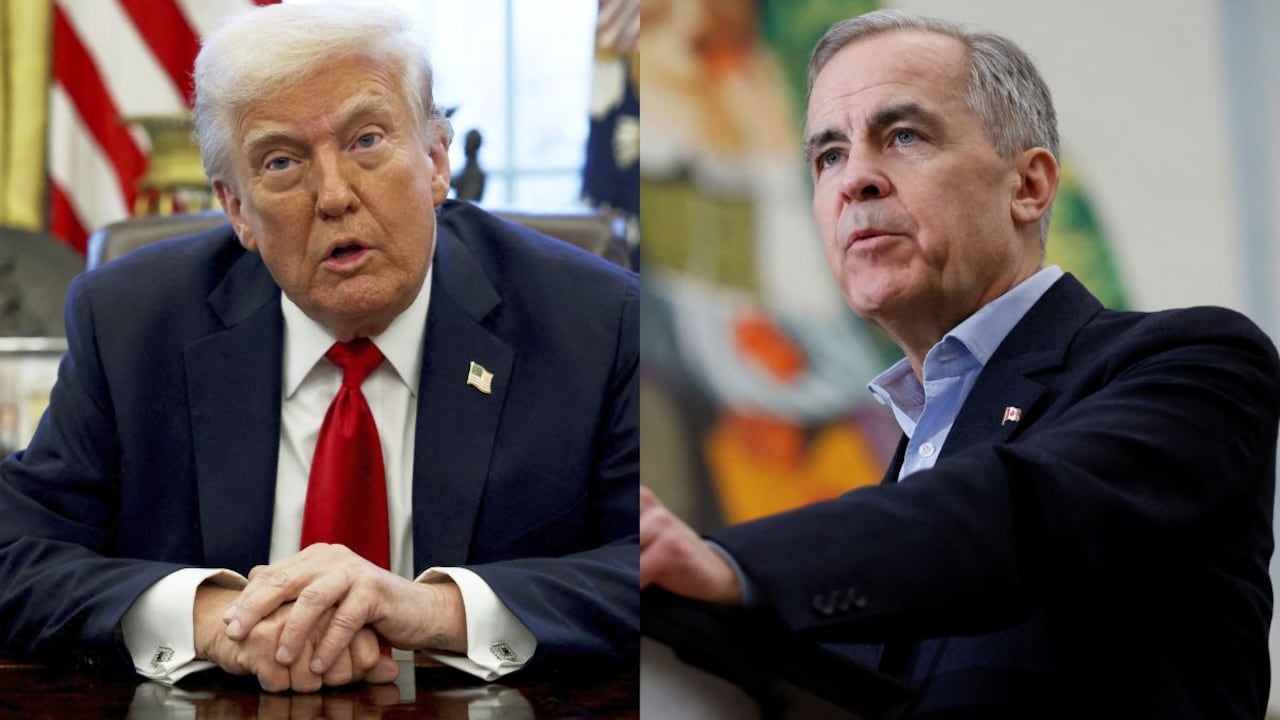
India has assigned two senior diplomats to key posts: Jayashankar as the ‘Chanakya’ figure in Russia and Ajit Doval to lead high‑stakes talks in China. Their missions are central to New Delhi’s broader geopolitical agenda.
- Jayashankar is designated as India’s ‘Chanakya’ in Moscow.
- Ajit Doval’s China visit will focus on border dialogue and strategic cooperation.
- Both assignments are integral to India’s global diplomatic blueprint.
New Delhi – The Ministry of External Affairs has announced two high‑profile diplomatic deployments. Veteran diplomat Jayashankar will serve as India’s strategic chief in Russia, while National Security Adviser Ajit Doval is set to lead a critical mission in China. These moves underline India’s intent to deepen ties with both powers while managing regional tensions.
Jayashankar, a career foreign service officer with multiple ambassadorial stints, is being likened to a modern‑day Chanakya for his adeptness at navigating complex power dynamics. His mandate in Moscow includes expanding defence cooperation, securing energy partnerships, and reinforcing a strategic balance in Central and South Asia. High‑level talks with President Vladimir Putin are already in the pipeline.
On the other side of the Himalayas, National Security Adviser Ajit Doval will travel to Beijing to engage directly with Foreign Minister Wang Yi and possibly meet President Xi Jinping. The agenda centers on de‑escalating the lingering border dispute, exploring trade and technology collaboration, and laying groundwork for a potential summit between the Indian Prime Minister and the Chinese President.
India‑Russia relations have matured into a multi‑layered partnership, featuring joint military exercises, nuclear‑energy projects, and space cooperation. Recent agreements on air‑defence systems and hydrocarbons have cemented Moscow as a reliable strategic ally, especially as New Delhi diversifies its security and energy sources.
Conversely, the India‑China frontier remains a flashpoint. Since the 2020 clashes, diplomatic overtures have intensified, making Doval’s visit a decisive step toward confidence‑building and conflict mitigation. Economic interdependence and regional stability demand a pragmatic dialogue beyond rhetoric.
Historical Background
During the Cold War, India pursued a non‑aligned stance, yet cultivated balanced ties with both the Soviet Union and the People’s Republic of China. Economic liberalisation in the 1990s revived these relationships, leading to a surge in bilateral trade and strategic engagements that continue to shape today’s foreign policy calculus.
Comparison of Diplomatic Missions
| Diplomat | Country | Primary Objective | Recent Activity |
|---|---|---|---|
| Jayashankar | Russia | Boost defence‑energy collaboration, deepen strategic partnership | Preparing for high‑level talks with President Putin |
| Ajit Doval | China | Address border disputes, expand economic‑tech cooperation | Meeting with Foreign Minister Wang Yi, planning possible summit |
Why This Matters
BozokMedia analysis shows that the success of these two missions could give India a decisive edge in balancing power between Europe and East Asia, enhancing both its strategic autonomy and economic security.
"Doval’s China outreach may become the turning point that eases longstanding border tensions," remarks a senior international‑relations scholar.
Frequently Asked Questions
Question 1: What are the main goals of Ajit Doval’s China visit?
Answer: To establish a clear dialogue on border issues, deepen economic‑technology ties, and set the stage for a possible India‑China summit.
Question 2: How will Jayashankar’s role in Russia influence India‑Russia relations?
Answer: His strategic outreach is expected to accelerate defence‑energy projects and reinforce a balanced geopolitical partnership across Eurasia.