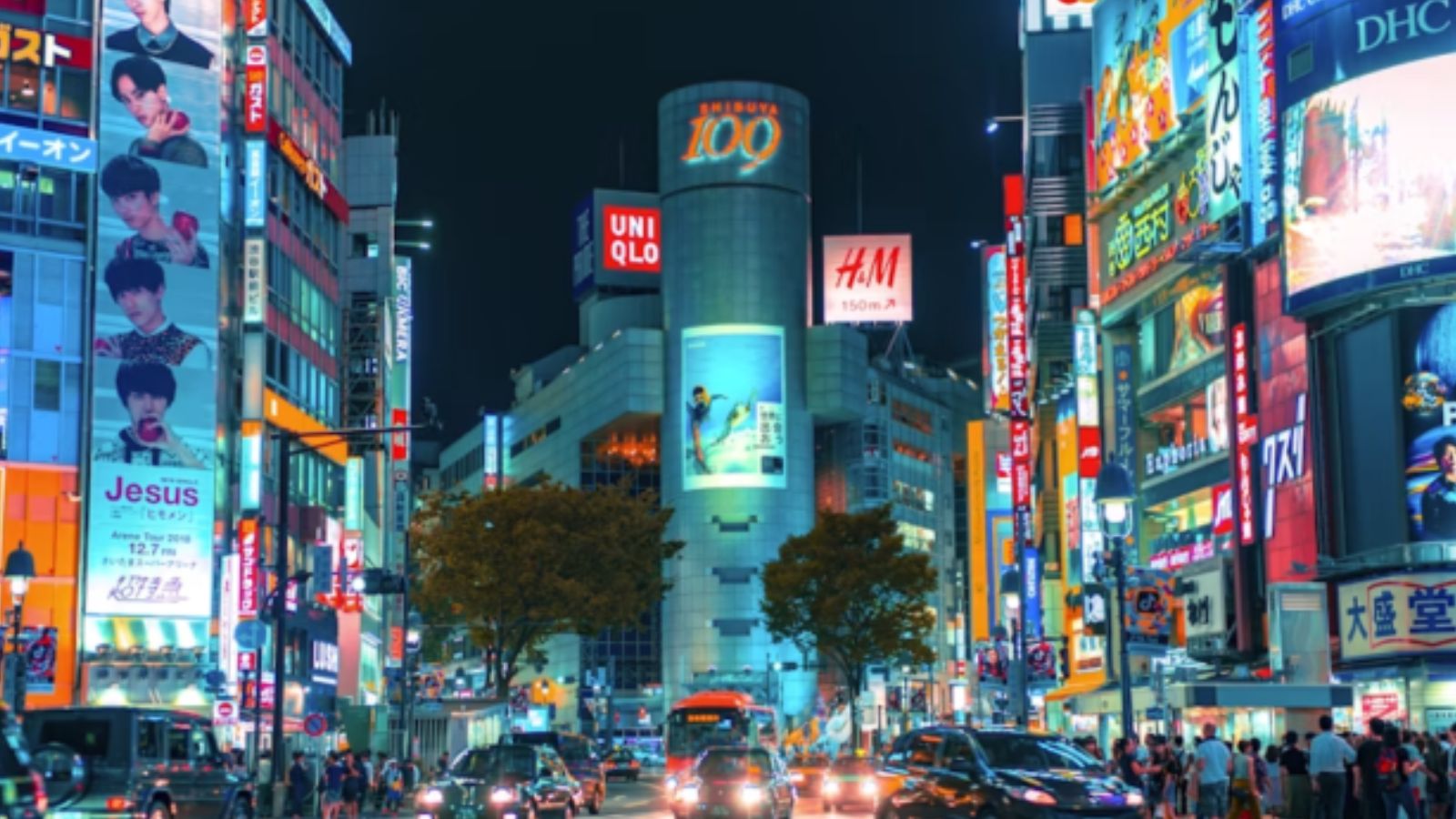
A legislative move to establish a secondary capital in Japan has ignited a fierce competition among 13 cities, including Osaka and Nagoya, seeking economic revival and disaster resilience.
- Japan's legislature passed a bill to create a secondary capital for government continuity during emergencies.
- Thirteen local governments, including Osaka, Nagoya, and Fukuoka, are competing for the status.
- The move aims to mitigate risks from natural disasters like megaquakes and tsunamis.
For 158 years, Tokyo has reigned as the undisputed glittering heart of Japan—a global nexus of business, culture, and governance. However, the era of a single-center dominance may be facing a challenge. Japan's legislature has recently passed a pivotal bill to establish a secondary capital, designed to serve as a functional alternative for government operations in the event of a natural disaster or national emergency.
This legislative shift has triggered what experts describe as a 'gold rush' among local authorities. With the promise of hundreds of millions of dollars in investment, tax incentives, and the potential for massive urban revival, 13 local governments have officially entered the fray. Heavyweights such as the business hub of Osaka, the southern prefecture of Fukuoka, and the northern island of Hokkaido are leading the charge, while even smaller regions like Gunma have expressed interest.
Why This Matters
BozokMedia analysis shows that this is not merely a political maneuver but a strategic necessity for national survival. Japan sits precariously on the Pacific Ring of Fire, a zone of intense seismic activity. The memory of the 2011 megaquake and tsunami, which devastated northeastern Japan, serves as a grim reminder of how vulnerable centralized systems are to catastrophic events. Establishing a backup capital provides a fail-safe for the nation's administrative continuity.
A 'don’t-miss-the-gold-rush' mentality has taken hold across Japan's regional governments.
However, the proposal is far from universally acclaimed. Critics argue that the selection process might be tainted by political favoritism. Opponents point out that the Japan Innovation Party, a close ally of Prime Minister Sanae Takaichi, has long campaigned to make Osaka a secondary capital, leading to allegations of partisan maneuvering.
Historical Background
The concept of dual capitals is deeply rooted in Japanese history. During the Edo period (1603–1868), Japan operated with two distinct centers: Edo (modern-day Tokyo), which served as the political and administrative seat under the Shogun, and Kyoto, the cultural and spiritual home of the Emperor. This historical precedent provides a cultural framework for the current debate.
| Factor | Tokyo (Current) | Proposed Secondary Capital |
|---|---|---|
| Primary Function | Central Government & Economy | Disaster Backup & Decentralization |
| Main Threat | Megaquake / Tsunami | Geological Stability / High Cost |
| Economic Goal | Concentrated Growth | Regional Revitalization |
Beyond disaster preparedness, the plan seeks to address the demographic crisis. As the population of the Tokyo metropolitan area swells to nearly 37 million, rural areas are hollowing out. A secondary capital could act as a catalyst for economic decentralization, pulling resources and people away from the overcrowded capital toward regional hubs.
Frequently Asked Questions
1. What is the main driver behind the secondary capital plan?
The primary driver is disaster resilience, ensuring the government can function if Tokyo is hit by a major earthquake or tsunami.
2. Is there any opposition to this plan?
Yes, critics argue it is politically motivated and express concerns about the massive costs and the geological stability of potential candidate cities.