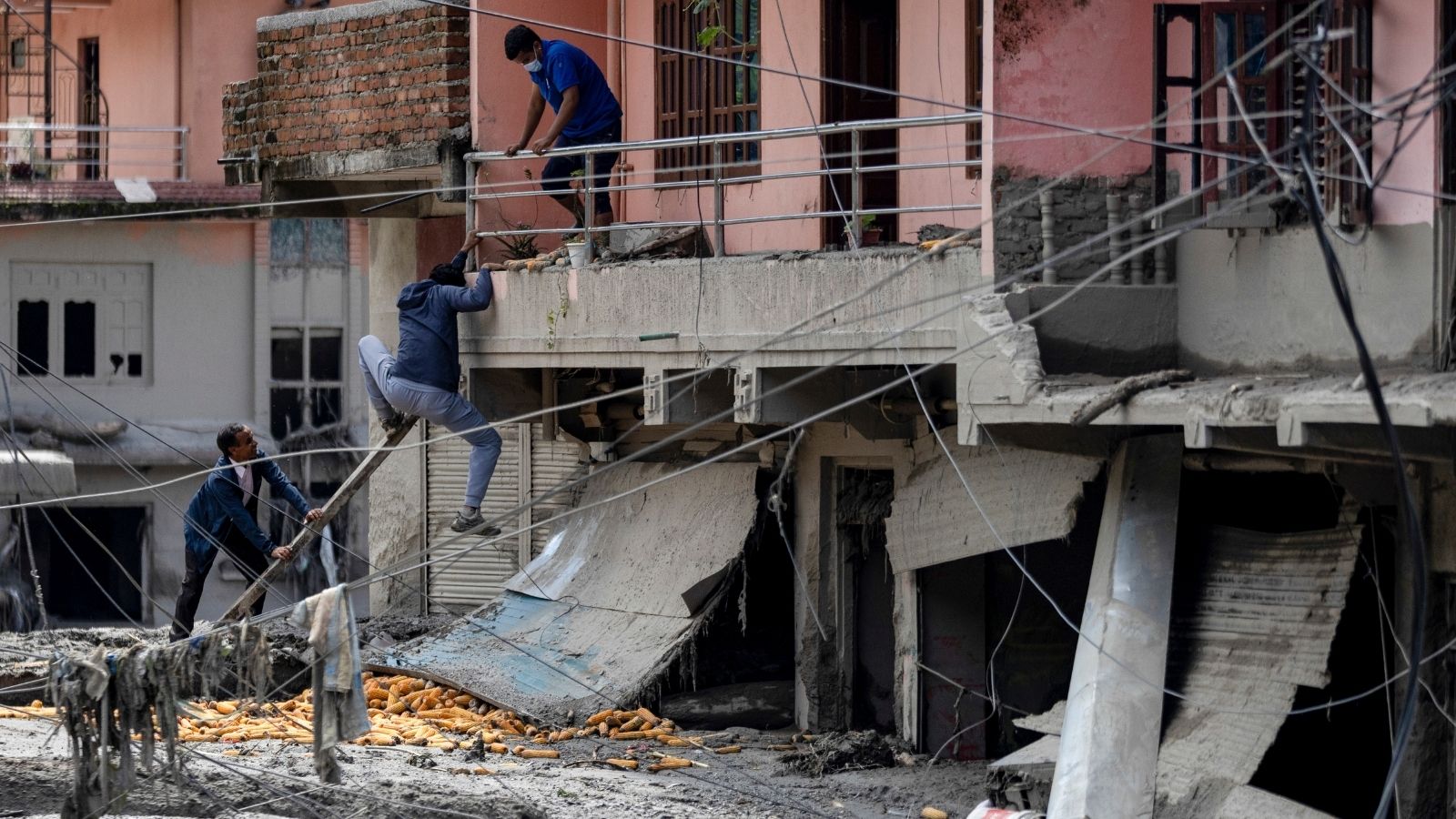
A powerful earthquake has struck Tokyo and northeast Japan, causing widespread disruption to transportation and leaving at least 37 people injured.
- A moderate to strong earthquake struck Northeast Japan, including the Tokyo metropolitan area.
- At least 37 individuals have sustained injuries due to the tremors.
- Major disruptions reported in train services and water infrastructure in Tokyo.
A significant earthquake has rocked Tokyo and various regions across northeast Japan, sending shockwaves through the nation's capital. Reports indicate that the seismic event has caused widespread panic, resulting in numerous injuries and substantial disruption to urban life. Initial casualty reports suggest that approximately 37 people have been injured in the aftermath of the tremors.
The impact on infrastructure has been immediate and severe. In Tokyo, critical transportation networks faced massive delays as train services were suspended to ensure passenger safety. Furthermore, the seismic activity caused a major water pipe to rupture, cutting off essential services to several residential and commercial sectors, complicating relief efforts.
Why This Matters
BozokMedia analysis shows that even moderate seismic events in high-density metropolitan areas like Tokyo can trigger cascading failures in logistics and utility networks. The interruption of rail services and water supply in a global economic hub carries implications for both local stability and international supply chain reliability.
The resilience of Japan's infrastructure is world-class, yet the frequency of these events continues to test the limits of modern seismic engineering.
Japan is situated along the 'Ring of Fire,' making it one of the most seismically active regions on Earth. Historically, the country has faced devastating earthquakes, which has led to the implementation of some of the world's strictest building codes. However, as seen in this latest event, the combination of tremors and aging utility infrastructure remains a significant vulnerability.
Emergency response teams are currently deployed across the affected regions to manage the injured and assess structural damage. Authorities have issued warnings regarding potential aftershocks, urging citizens to remain vigilant and follow emergency protocols.
Frequently Asked Questions
Question 1: How strong was the earthquake?
Answer: Reports vary slightly, but the magnitude was recorded between 5.9 and 6.0.
Question 2: Are the trains running in Tokyo?
Answer: Many train services were disrupted due to safety checks and are currently undergoing restoration.