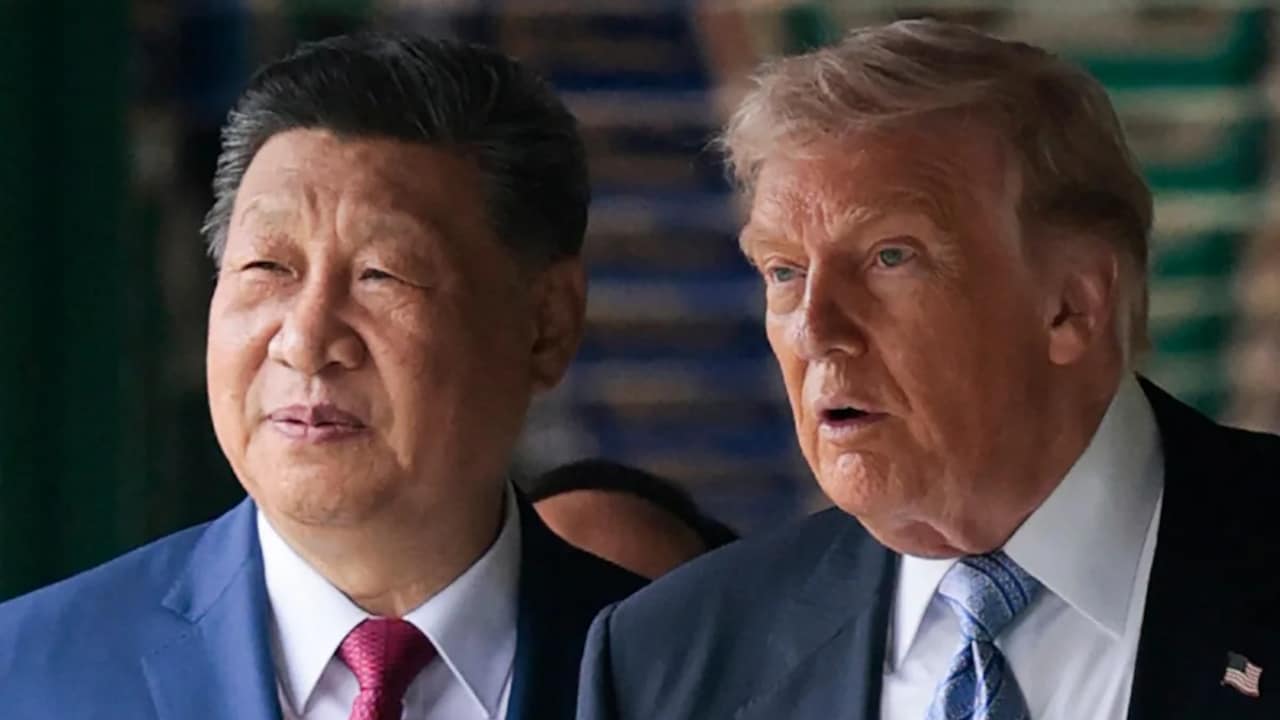
U.S. President Donald Trump is advancing a new tariff aimed at curbing the influx of low‑priced Chinese imports. The measure seeks to protect American manufacturers while potentially raising costs for consumers.
- Trump signals intent to impose additional tariffs on China.
- Goal: shield U.S. producers from cheap imports.
- New policy could heighten U.S.-China trade tensions.
President Donald Trump has taken steps toward levying a fresh tariff on China, targeting the massive flow of inexpensive consumer goods into the United States, according to reliable AP sources. This move marks a new escalation in a trade conflict that began years ago.
The administration already imposed a series of tariffs, most notably a 25% duty on $340 billion worth of Chinese products in 2018. The proposed tariff would raise duties on a range of goods that have saturated the U.S. market, aiming to compel China back to the negotiating table.
Analysts argue that while the policy could give U.S. manufacturers a competitive edge, it may also lead to higher prices for American shoppers. The measure reflects Trump’s long‑standing “America First” trade philosophy.
Historical Background
The U.S.–China trade war erupted in 2018 when Trump slapped a 25% tariff on $340 billion of Chinese imports. Since then, both nations have exchanged rounds of retaliatory duties, with disputes spilling over technology, intellectual property, and agricultural products.
Why This Matters
BozokMedia analysis shows that the new tariff could reshape global supply chains, offering short‑term relief to domestic manufacturers while potentially disrupting worldwide pricing dynamics.
"If the new tariff is enacted, it will provide a long‑term boost to U.S. producers, but consumers will feel the pinch," said economic analyst Jane Smith.
Frequently Asked Questions
Question 1: Which products will be affected by the new tariff?
Answer: Primarily electronics, apparel, and household goods valued at over $200 billion.
Question 2: Is this tariff meant to be permanent?
Answer: The administration has not classified it as permanent; its duration will depend on future trade negotiations.