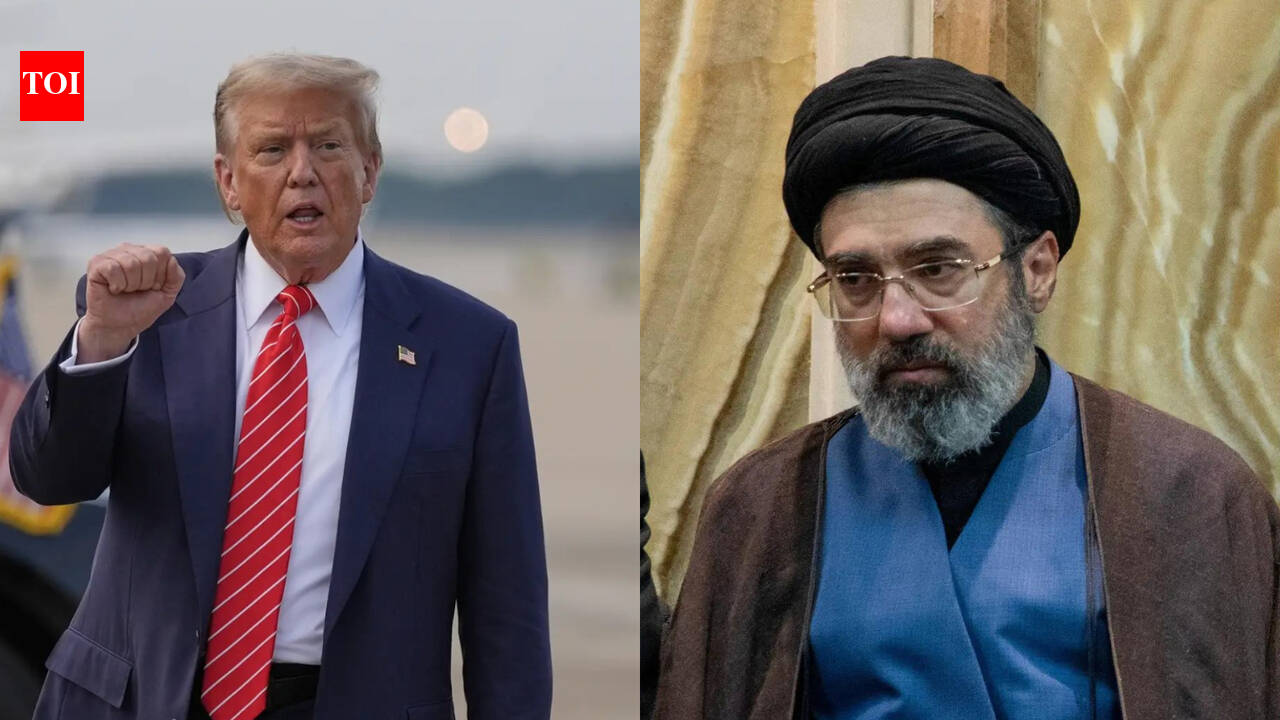
US President Donald Trump is escalating pressure on Iran through aggressive economic sanctions, sparking fears of a regional military retaliation that could devastate global energy markets.
- President Trump is preparing a new phase of economic isolation against Iran to force a deal.
- Iran's security chief has warned of 'seismic' retaliation against regional partners of the US.
- The Strait of Hormuz remains a critical flashpoint for global oil supplies.
- Economic sanctions could inadvertently trigger military strikes on energy infrastructure.
US President Donald Trump is set to escalate his campaign against Iran, moving toward a high-stakes strategy of intensified sanctions and economic isolation. The goal is to force Tehran into accepting Washington's terms, but the maneuver has sent shockwaves through the Gulf region. The primary fear is that instead of capitulating, Iran may respond by targeting the region's vital energy infrastructure and alternative oil-shipping routes.
Mohsen Rezaei, the newly appointed head of Iran’s Supreme National Security Council, issued a stern warning via the state broadcaster IRIB. He stated that Tehran would retaliate against any neighboring countries participating in what he termed the US "economic war." Rezaei emphasized that Iran could target oil routes outside the Strait of Hormuz and strike the interests of nations supporting Washington, promising a response in a "seismic manner."
Why This Matters
BozokMedia analysis shows that the geopolitical stakes have never been higher. The intersection of US economic warfare and Iran's asymmetric military capabilities creates a volatile environment where a single miscalculation could lead to a global energy catastrophe.
The shift from diplomatic maneuvering to total economic warfare significantly increases the probability of a kinetic military response from Tehran.
Trump's strategy aims to achieve through economic coercion what military actions have so far failed to secure. Analysis suggests the next phase of sanctions may expand beyond Iran to include third-party entities in China, India, Turkey, and the UAE that continue to trade with Tehran. This broad-spectrum approach risks alienating key US allies and destabilizing global trade networks.
The vulnerability of the Strait of Hormuz cannot be overstated. As a narrow waterway through which approximately one-fifth of the world's oil passes, any disruption would have immediate and devastating effects on global inflation and energy security. With Iran already demonstrating its ability to deploy drones and missiles against regional targets, the threat to ports and power plants is tangible.
| Factor | US Strategy | Iran's Potential Response |
|---|---|---|
| Primary Tool | Economic Sanctions | Asymmetric Warfare/Drone Strikes |
| Target | Tehran's Financial Assets | Regional Energy Infrastructure |
| Global Impact | Trade Disruption | Oil Supply Volatility |
Frequently Asked Questions
1. What is the risk to the Gulf states?
Gulf states fear that US pressure on Iran will provoke Tehran into attacking regional oil facilities and shipping lanes, turning economic war into physical conflict.
2. How is Iran's economy currently performing?
Iran is facing severe financial strain, with inflation exceeding 80% and the IMF forecasting a 6.1% economic contraction this year.