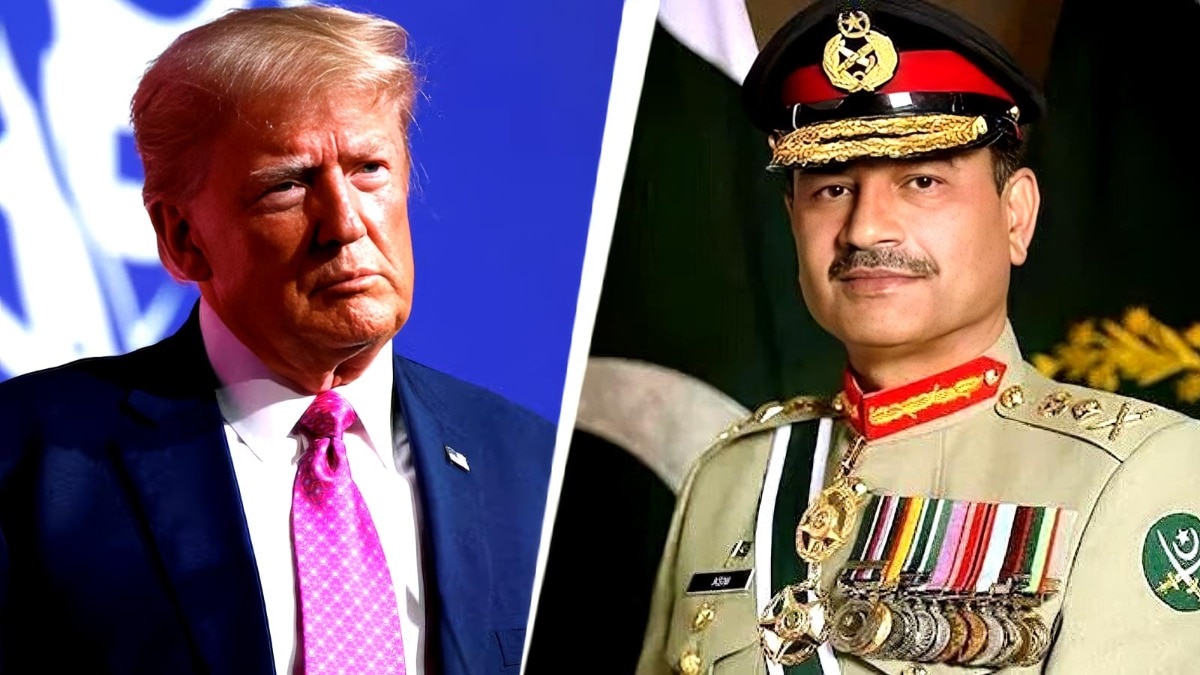
President Donald Trump asked Pakistan’s army chief Asim Munir to use his influence to bring Iran back to the negotiation table. The request highlights Pakistan’s delicate balancing act amid rising US‑Iran tensions.
- Trump asked Pakistan’s army chief to pressure Iran to return to talks.
- Munir travelled to Tehran ahead of his official visit, accompanied by Interior Minister Mohsin Naqvi.
- Pakistan aims to balance US pressure with regional stability and its ties to Iran.
U.S.–Iran tensions are entering a critical phase, with President Donald Trump warning against giving Tehran any economic “lifeline.” Pakistan, maintaining relations with both sides, previously helped broker a June interim peace agreement that later collapsed.
Background
In June 2024, Pakistan played a mediating role in a tentative U.S.–Iran accord, which quickly fell apart due to deep mistrust. This history positions Islamabad as a potential conduit for renewed dialogue.
Trump’s Request
According to three Pakistani sources cited by Reuters, the call to Army Chief Asim Munir was initiated by Trump himself. He urged Munir to leverage Pakistan’s influence to coax Tehran back to the negotiation table. Details of the conversation remain vague, but the message was clear: the U.S. seeks to isolate Iran economically and diplomatically.
Munir’s Tehran Visit
Munir arrived in Tehran on Monday, accompanied by Interior Minister Mohsin Naqvi. The Pakistani military described the trip as “part of Pakistan’s efforts to promote regional peace and stability.” Iranian Foreign Ministry spokesperson Esmaeil Baghaei framed the visit as a bilateral engagement, emphasizing the strong ties between the two nations.
Iran’s Response
Iran downplayed speculation that the visit was solely about the U.S. confrontation, noting that the Iran‑Pakistan relationship is “in one of its best stages.” Baghaei also dismissed links to the concurrent Omani foreign minister’s trip, which will focus on the Strait of Hormuz and maritime security.
Pakistan’s Mediation Role
Pakistan has repeatedly positioned itself as a mediator between Washington and Tehran, most recently after signing the Mecca Joint Defence Agreement with Saudi Arabia and Turkey on August 7. Munir’s agenda is expected to cover not only the U.S.–Iran standoff but also regional security issues such as Houthi attacks on Saudi Arabia.
Why This Matters
BozokMedia analysis shows that Pakistan’s unique diplomatic positioning could become a pivotal lever in de‑escalating the volatile US‑Iran confrontation, while also safeguarding its own strategic ties with Saudi Arabia and Turkey.
“Pakistan’s unique position could be the decisive factor in de‑escalating US‑Iran tensions,” said Dr. Ayesha Khan, senior analyst at BozokMedia.
Frequently Asked Questions
Q1: What was the main request Trump made to Asim Munir?
A1: Trump asked Munir to use Pakistan’s influence to encourage Iran to return to negotiations with the United States.
Q2: How might Pakistan’s involvement affect US‑Iran relations?
A2: If Pakistan successfully persuades Iran to re‑engage in talks, it could reduce escalation risk and promote regional stability.
