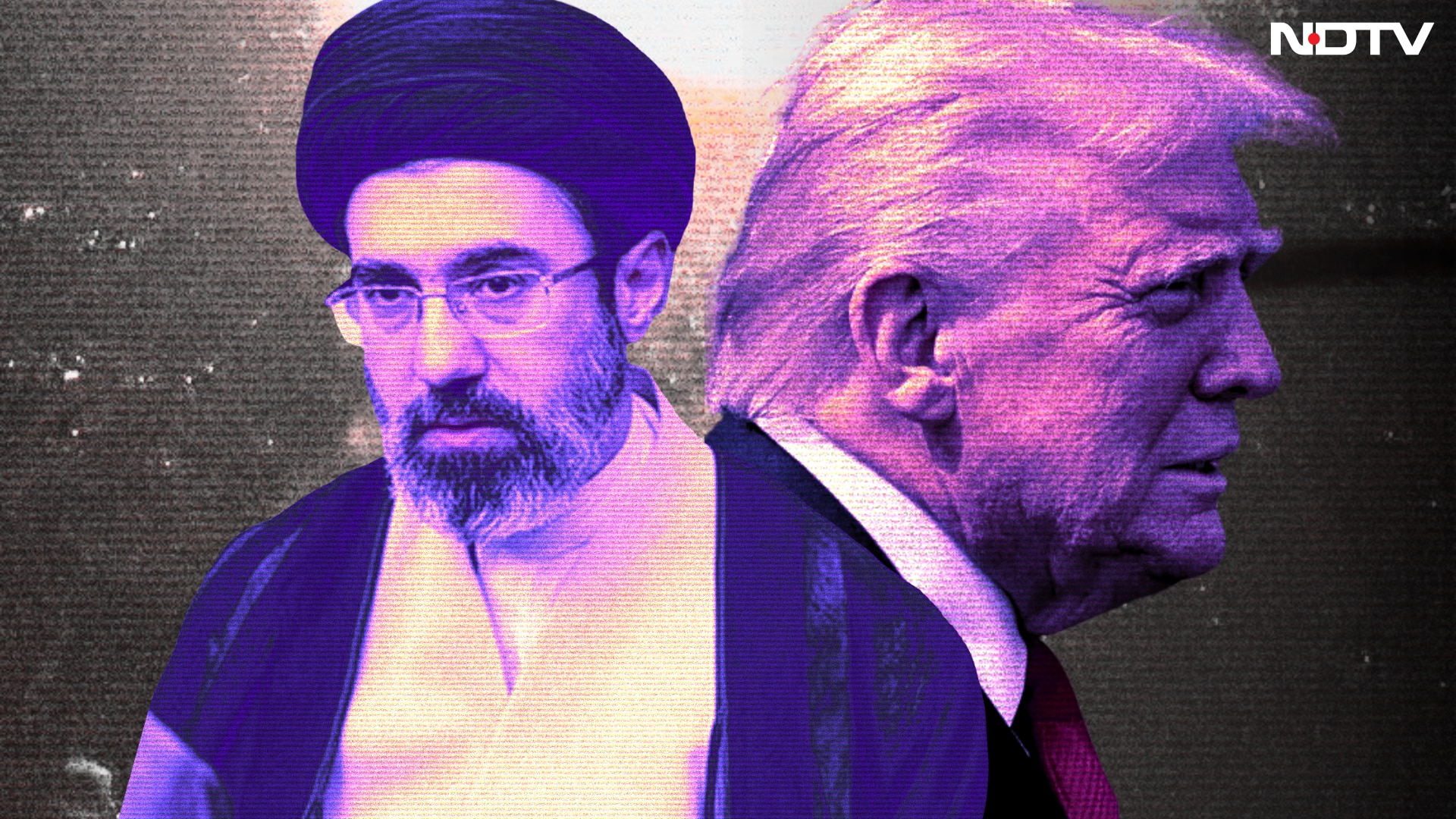
U.S. officials announced sweeping sanctions designed to cut off every possible source of income for Iran, warning that any nation that maintains economic ties will also face penalties.
- U.S. imposes sanctions targeting all Iranian revenue streams.
- Countries maintaining economic ties with Tehran face secondary sanctions.
- Sanctions aim to pressure Iran over nuclear and regional activities.
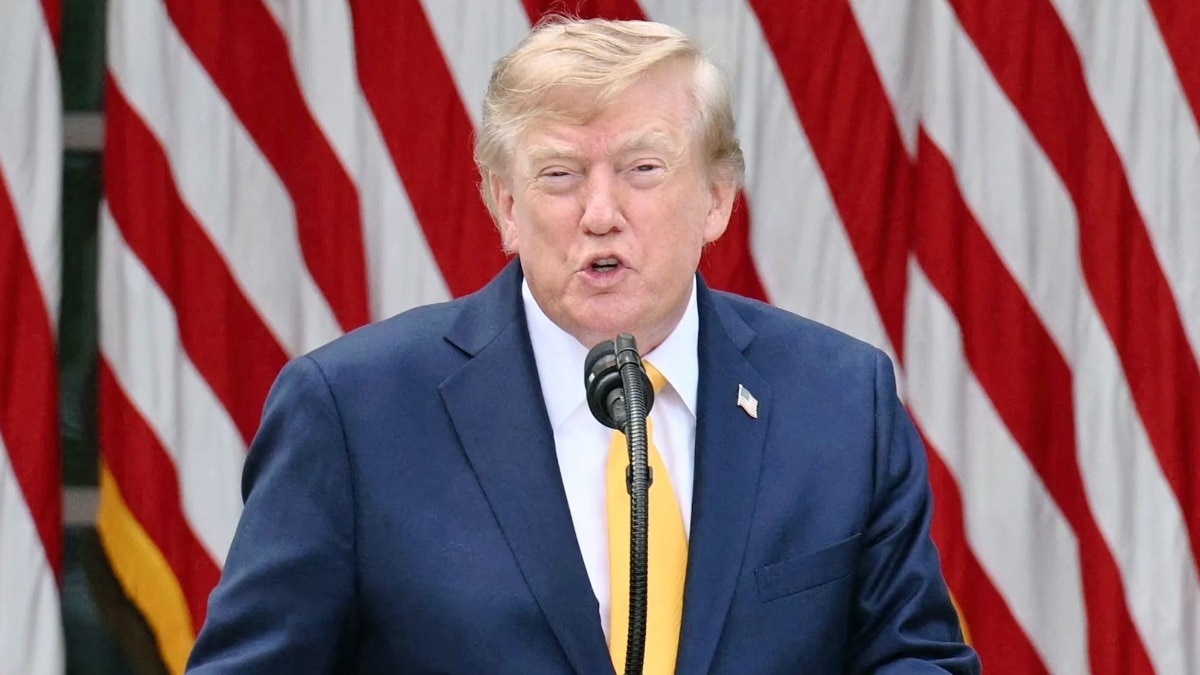
On Monday, U.S. Representative Bessent outlined a new sanctions package that seeks to block every potential source of revenue for Iran. He warned that any country that does not sever economic ties with the Islamic Republic will also be targeted.
The package includes strict measures on Iran’s oil exports, maritime shipping, aerospace contracts, and financial institutions. The U.S. Treasury plans to cut Iranian entities off from the American financial system, effectively choking international transactions.
Iran immediately dismissed the move as “U.S. economic intimidation,” promising to seek alternative partners. The Iranian Foreign Ministry asserted that the nation’s economy is resilient, citing existing trade relationships with several countries.
Meanwhile, Iran’s key allies, notably Russia and China, condemned the sanctions and pledged continued economic support. The escalation could reshape the geopolitical balance in the Middle East, influencing regional alliances and energy markets.
Historical Background
Since the 1979 Islamic Revolution, the United States has layered sanctions on Iran in several waves—1995 terrorist‑support sanctions, 2006 nuclear‑program restrictions, and the 2018 maximum‑oil ban. Each phase has strained Iran’s economy, yet Tehran has repeatedly turned to alternative markets to mitigate the impact.
Why This Matters
BozokMedia analysis shows that this latest sanctions package not only challenges Iran’s financial stability but also signals Washington’s intent to reassert influence in the region. If secondary sanctions deter other nations, trade with Iran could shrink, potentially triggering volatility in global oil prices.
"The goal of the U.S. sanctions is to force Tehran back to the negotiating table, but they could also spark unexpected spikes in worldwide oil markets,"
Frequently Asked Questions
Question 1: Can Iran’s existing international partners evade the new sanctions?
Answer: Some nations have built alternative financial channels, but the threat of secondary U.S. penalties raises the risk considerably.
Question 2: What impact will the sanctions have on the Iranian population?
Answer: Economic pressure is likely to increase inflation, unemployment, and limit access to essential goods for ordinary Iranians.