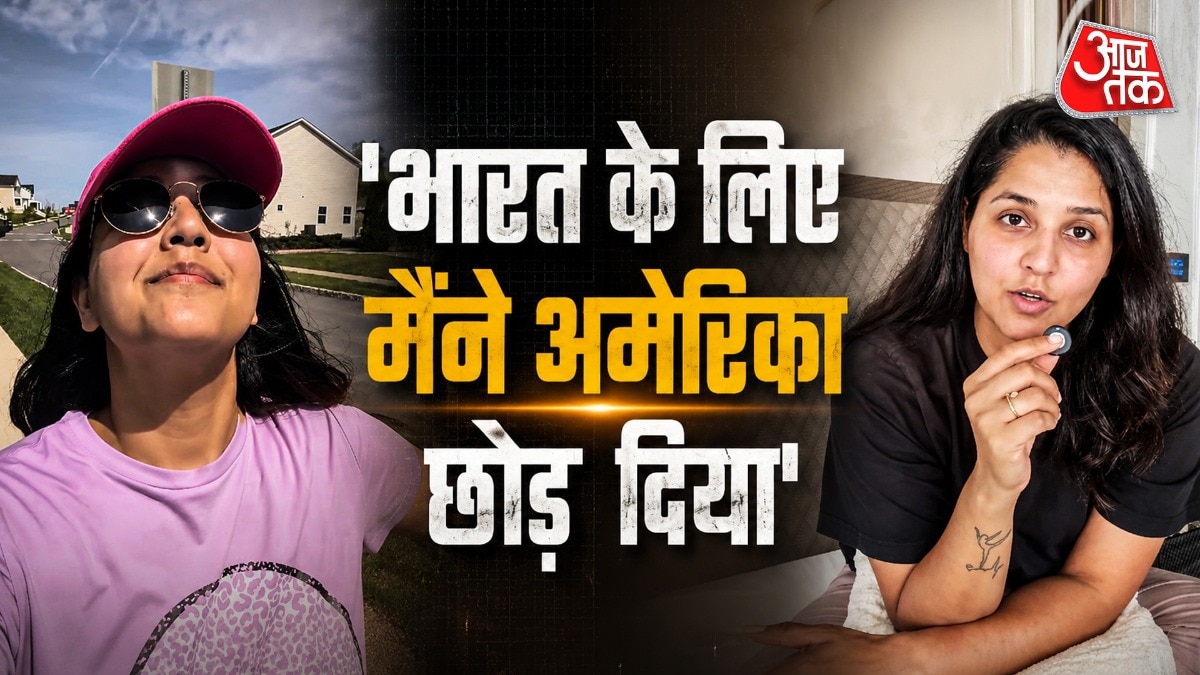
Beyond visa uncertainties, a growing number of NRIs are choosing to return to India, driven by cultural identity, family responsibilities, and a search for better work-life balance.
- A significant trend of NRIs returning to India is emerging on social media.
- The primary drivers are cultural connection and family values, not just visa issues.
- Work-life balance and the desire to care for aging parents are crucial factors.
- The shift reflects changing priorities as individuals age.
For decades, settling in countries like the USA, Canada, or the UK has been the ultimate goal for millions of Indians seeking better salaries, career growth, and a high-standard lifestyle. However, a profound shift is occurring. Stories of Non-Resident Indians (NRIs) choosing to leave their established lives abroad to return to their roots in India are becoming increasingly common and viral.
While political shifts and tightening immigration laws in the US often dominate headlines, they are not the sole reason for this exodus. The story of Pankhuri, who moved back to India in 2023 after 13 years in the United States, highlights a much deeper emotional and social motivation. For Pankhuri, the lack of cultural belonging was a significant factor. In the West, constantly having to explain one's name, background, and cultural nuances can lead to a sense of isolation.
Why This Matters
BozokMedia analysis shows that this movement represents a 'Reverse Brain Drain' phenomenon. As India's economy stabilizes and its global influence grows, the pull factors of the homeland are beginning to rival the push factors of the West, creating a new wave of returning talent and entrepreneurs.
The definition of success is shifting from purely financial accumulation to emotional and cultural fulfillment.
Family obligations play a pivotal role in this decision-making process. As parents age, many NRIs face the heartbreaking realization that video calls and FaceTime are poor substitutes for physical presence. The desire to be there for elderly parents during their sunset years is a powerful motivator that no amount of foreign currency can replace.
Furthermore, the grueling work culture in many Western nations has become a deterrent. Pankhuri shared that her and her husband's schedule often spanned from 7 AM to 9 PM, leaving little room for family or personal life. In India, the availability of domestic support and a more community-centric lifestyle offers a potential solution to the struggle of balancing professional ambitions with parenting and home life.
The transition, however, is not without its hurdles. Returning to India after over a decade means rebuilding a life from scratch. Adapting to a new social and professional landscape after years of living in a structured Western environment presents a unique set of challenges that require immense resilience.
Frequently Asked Questions
Question 1: Is the visa situation the main reason for NRIs returning?
No. While visa uncertainty is a factor, the primary drivers are cultural identity, family care, and work-life balance.
Question 2: Is it easy to restart a career in India after many years abroad?
It can be challenging, as it requires adapting to a different professional culture and rebuilding networks.