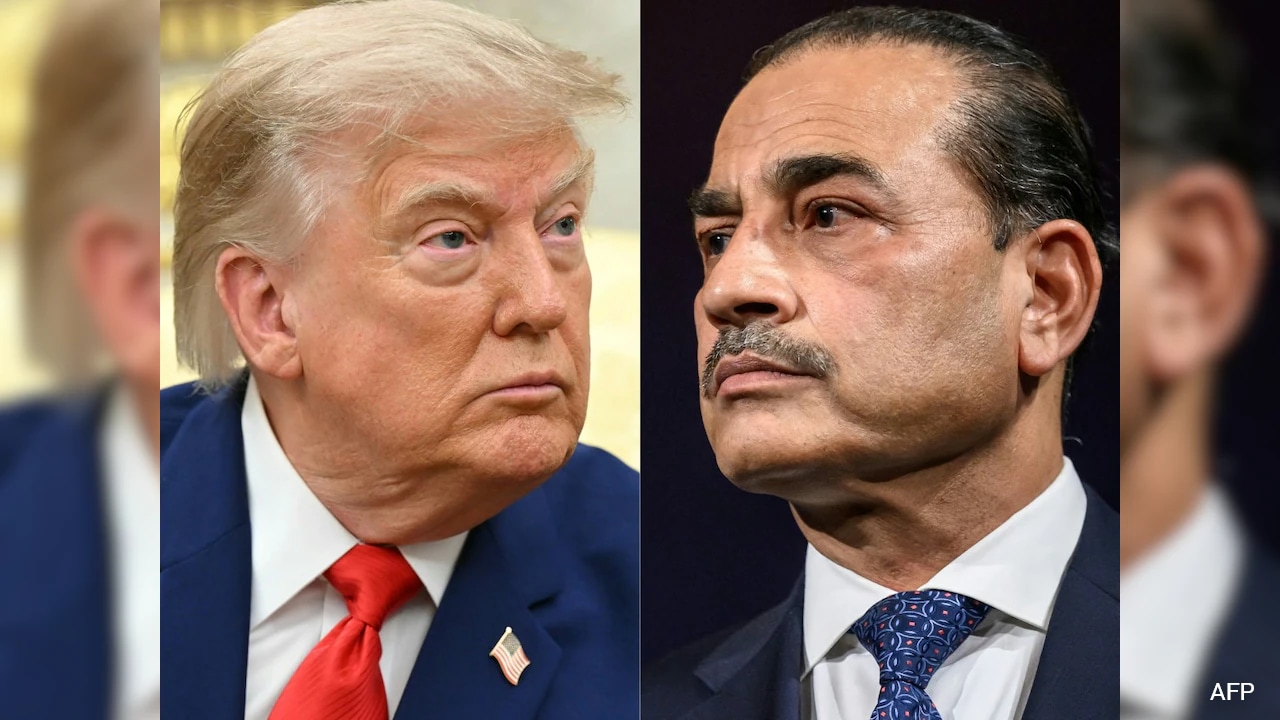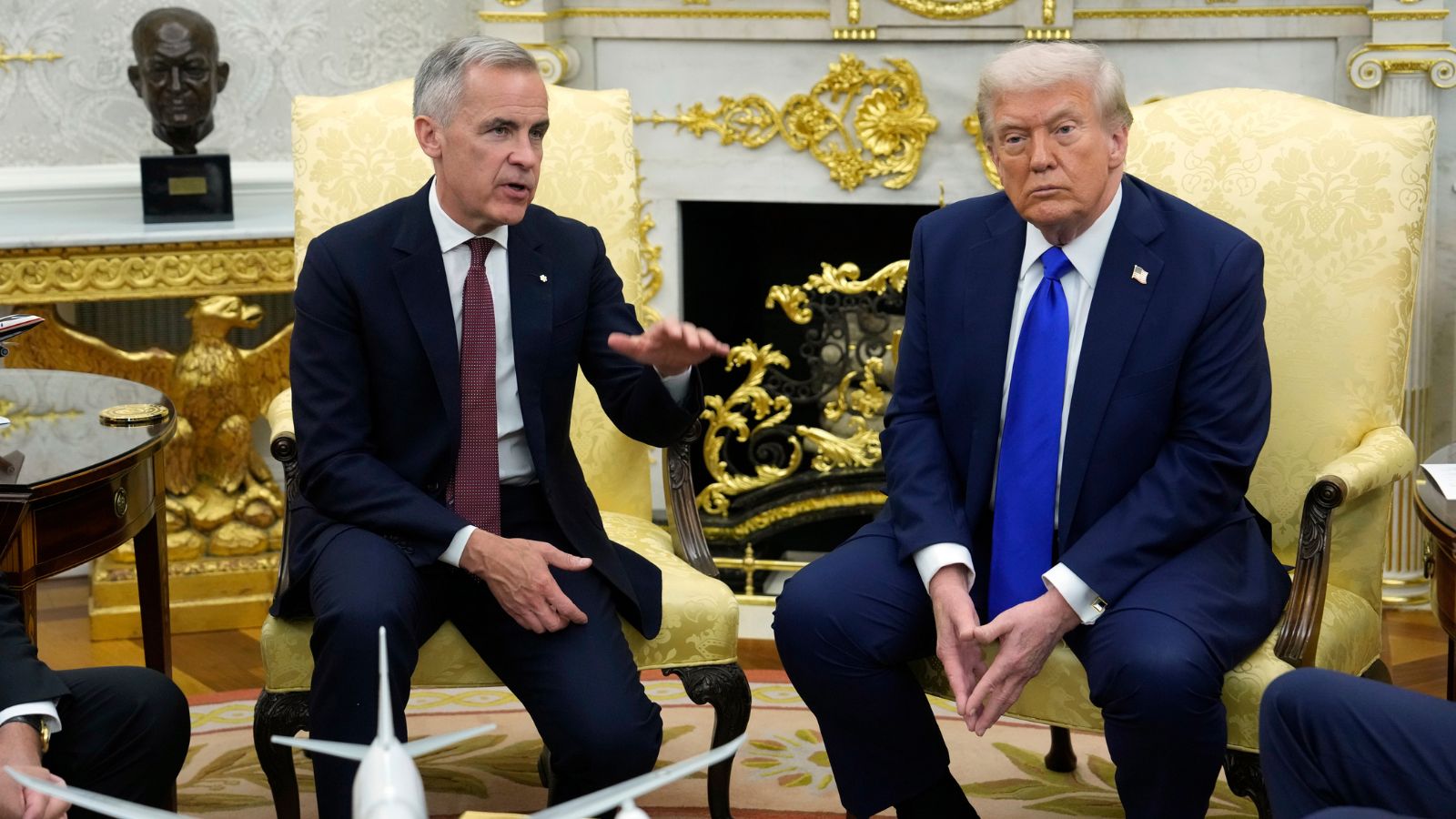
Canada has disclosed plans to impose retaliatory tariffs on the United States, marking a sharp escalation in the trade dispute. President Trump warned Canadian officials to “fall in line,” threatening even harsher measures if they resist.
- Canada will use targeted measures instead of dollar‑for‑dollar matching
- Trump threatens 50% tariffs on Canadian autos, parts, and steel
- The trade spat could ripple across North American supply chains
Canada is set to announce on Tuesday a suite of retaliatory tariffs against the United States, a move that intensifies a trade fight that has deepened since negotiations with the Trump administration collapsed. An insider familiar with the plan said Ottawa will no longer mirror U.S. duties one‑for‑one but will adopt more focused actions to shield Canadian workers and businesses.
President Donald Trump escalated the dispute on Monday, telling Canadian leaders to “fall in line” or face consequences “far worse” than the duties already imposed. He specifically threatened new 50 percent tariffs on Canadian vehicles, auto parts, and steel, raising the stakes dramatically.
Prime Minister Mark Carney condemned Washington’s approach, accusing the United States of trying to subordinate Canada and dismantle key Canadian industries. “An attitude at the negotiation table that Canada is a subsidiary of the United States is not something we’re going to accept,” Carney said.
The trade disagreement has already seen multiple rounds of tariffs since last year, but this latest phase appears more aggressive and sector‑specific, targeting the automotive and steel sectors where bilateral interdependence is high.
Industry analysts warn that such measures could disrupt not only bilateral trade but also broader North American supply chains, potentially prompting other NAFTA partners to reconsider their own trade strategies.
Why This Matters
BozokMedia analysis shows that the escalation could force other NAFTA partners to reassess their trade strategies, potentially reshaping North American economic integration.
“If dialogue collapses, this tariff war could destabilize not just U.S.–Canada ties but the global trade system,” says international trade expert Dr. Anita Singh.
Frequently Asked Questions
Q1: Are the new tariffs limited to autos and steel?
A: While those sectors are the immediate focus, Canada reserves the right to expand measures to other industries if needed.
Q2: How will this affect everyday consumers?
A: Higher tariffs could increase the price of imported goods, putting upward pressure on consumer costs.