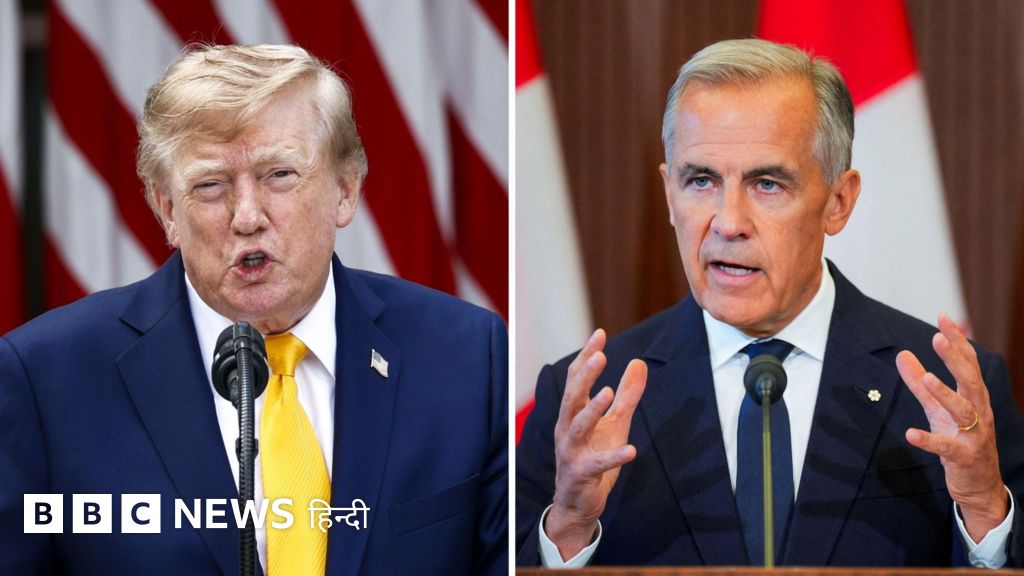
As trade tensions escalate, Canada is exploring powerful retaliatory measures including energy surcharges, mineral restrictions, and consumer boycotts to counter Donald Trump's tariff threats.
- Canada supplies approximately 60% of America's crude oil imports.
- Ontario's Premier Doug Ford has proposed a 25% surcharge on electricity exports to the US.
- Canada is a global leader in potash, essential for US agriculture.
- Previous Canadian boycotts of US alcohol led to a staggering 78% drop in exports.
The escalating trade war between US President Donald Trump and Canadian Prime Minister Mark Carney has moved beyond mere rhetoric into a high-stakes economic confrontation. With Canada exporting nearly 70% of its goods to the United States, the nation finds itself in a precarious yet powerful position. Since Canada is a top-three customer for 45 out of 50 US states, any retaliatory move by Ottawa will hit the American heartland directly.
Why This Matters
BozokMedia analysis shows that this conflict is not just about tariffs; it is a battle over resource sovereignty. The interconnectedness of the North American energy grid and supply chains means that Canada's strategic decisions could trigger economic instability across major US manufacturing hubs like Michigan and Wisconsin.
"I would like to see Trump driving cars without oil. He is underestimating us, and that is his biggest mistake." - Doug Ford, Premier of Ontario
Energy and Critical Minerals: Canada holds significant leverage over the American energy sector. Prime Minister Mark Carney recently noted that Canada supplies a massive portion of the US's natural gas and electricity, along with nearly 60% of its crude oil. Ontario Premier Doug Ford has gone a step further, proposing a 25% surcharge on electricity exports, which could impact 1.5 million homes and businesses in states like Minnesota and New York.
The Agricultural and Tech Threat: Beyond energy, Canada is the world's leading supplier of potash, a vital component in fertilizers. A disruption in potash supply could devastate US crop yields. Furthermore, Canada's vast reserves of lithium, nickel, and graphite make it a gatekeeper for the American electric vehicle and technology industries. Ford has warned that the US might not even receive a 'grain of sand' from Ontario if tensions continue to escalate.
| Sector | Canadian Leverage | Potential US Impact |
|---|---|---|
| Crude Oil | 60% of US Imports | Skyrocketing fuel prices |
| Potash | Global Top Supplier | Agricultural and food security crisis |
| Electricity/Gas | Major Exporter | Risk of brownouts in NY and Michigan |
| Consumer Goods | Boycott Potential | Massive losses for US alcohol/tourism |
Economic Warfare via Consumerism: Canada has already demonstrated its ability to inflict damage. Last year, in response to initial tariff threats, several Canadian provinces banned US alcohol, resulting in a 78% decline in US alcohol exports to Canada. This caused a loss of over $357 million for the US industry. Additionally, a decline in Canadian cross-border travel resulted in an estimated $2.35 billion loss for US revenue.
Frequently Asked Questions
1. How much does the US rely on Canada for energy?
The US relies on Canada for nearly 60% of its crude oil and a significant portion of its natural gas and electricity.
2. Can Canada realistically block US imports?
Yes, Canadian provinces have previously used bans on specific goods, like alcohol, to effectively hit US exporters.
