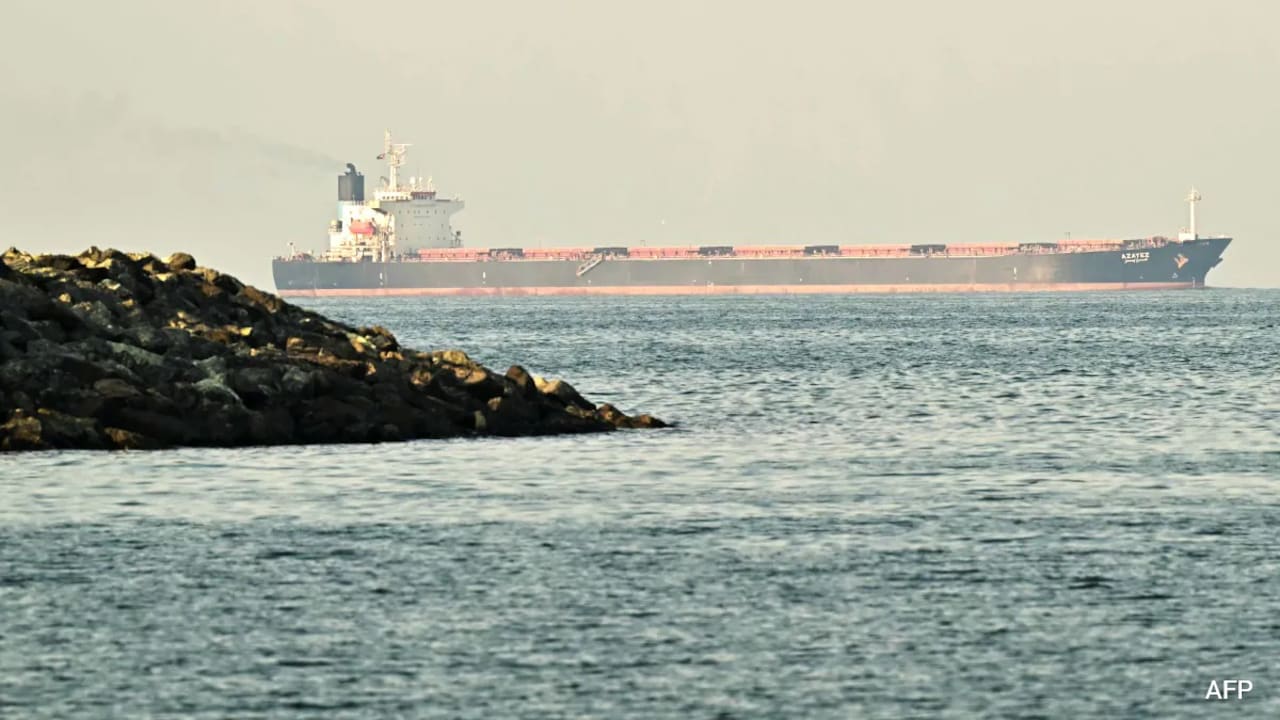
Iran and Oman have engaged in discussions regarding a temporary transit corridor through the Strait of Hormuz to regulate maritime traffic amid Middle East tensions. Both nations emphasized the necessity of joint cooperation with neighboring Gulf states.
- Iran and Oman are exploring a temporary transit corridor to stabilize the Strait of Hormuz.
- The move aims to regulate maritime transit amidst rising Middle East conflict risks.
- Both nations stressed the importance of regional cooperation with bordering states.
In a significant diplomatic move aimed at mitigating regional volatility, Iran and Oman have entered discussions to regulate transit through the Strait of Hormuz. The talks focused on establishing a temporary corridor to ensure the smooth flow of maritime traffic during this period of heightened tension in the Middle East.
The strategic importance of this waterway cannot be overstated. As the Middle East faces increasing threats of conflict, the Strait of Hormuz has emerged as a critical flashpoint. Both nations emphasized that holding joint discussions with states bordering the Gulf waters is essential to maintaining regional security and economic continuity.
Why This Matters
BozokMedia analysis shows that any disruption in the Strait of Hormuz could trigger a massive spike in global oil prices and destabilize international energy markets. By seeking to regulate transit through a temporary corridor, Iran and Oman are attempting to build a buffer against the geopolitical shocks currently affecting the region.
The stability of the Strait of Hormuz is inextricably linked to the stability of the global energy economy.
The discussions also draw context from previous frameworks, including the US-Iran memorandum of understanding, which sought to regulate transit in these sensitive waters. As the waterway becomes a focal point of Middle Eastern warfare dynamics, the initiative by Tehran and Muscat represents a pragmatic approach to maritime governance.
Historical Background
The Strait of Hormuz is a narrow waterway that connects the Persian Gulf with the Gulf of Oman and the Arabian Sea. For decades, it has been one of the world's most vital chokepoints, with a significant percentage of the world's liquefied natural gas (LNG) and crude oil passing through its waters daily.
Frequently Asked Questions
1. Why is the Strait of Hormuz considered a flashpoint?
Due to its role in global oil transit, any military conflict in the region threatens to shut down this vital artery, impacting the entire world.
2. What is the goal of the temporary corridor?
The goal is to ensure regulated and safe passage for commercial vessels despite the ongoing geopolitical tensions.
