Iran and Oman have revived talks on a temporary corridor through the Strait of Hormuz to manage oil and LNG traffic. A U.S. impasse keeps progress stalled, even as former President Trump claims all mines have been cleared.
- Iran and Oman are renegotiating a temporary Hormuz corridor
- U.S. sanctions continue to block a swift resolution
- Donald Trump reiterates that all mines have been removed
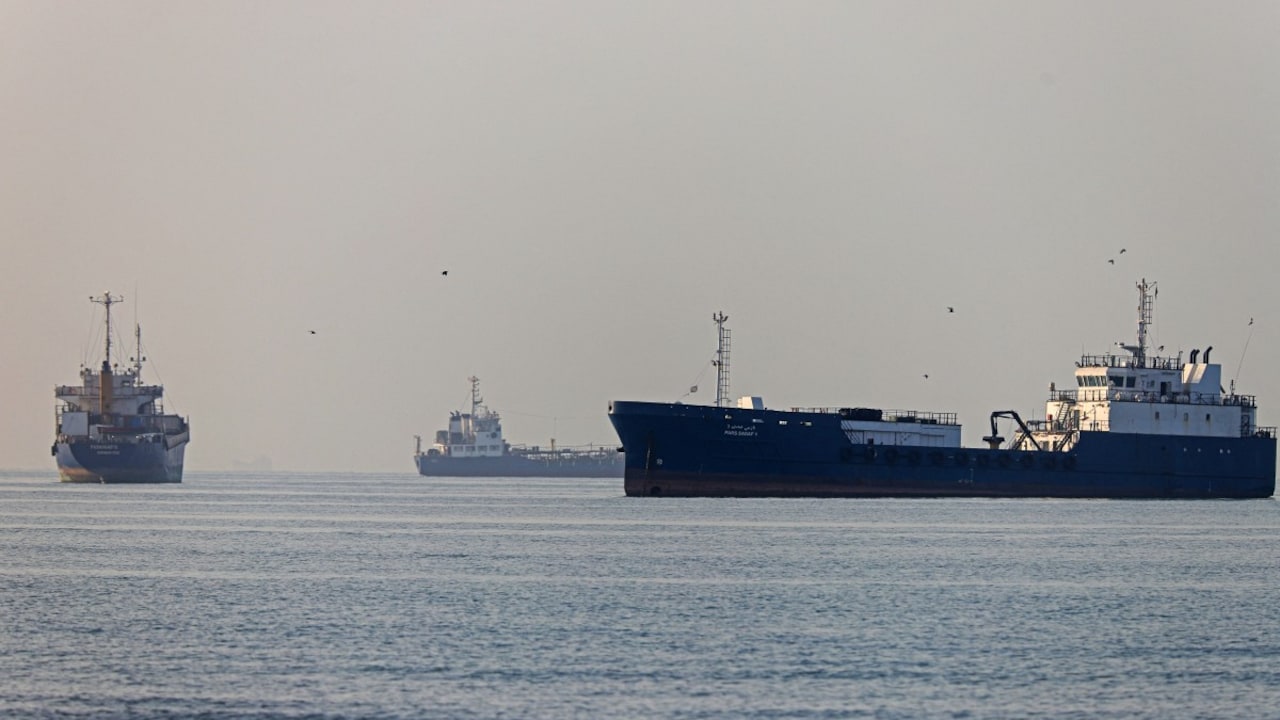
Iran and Oman have been holding intermittent talks for weeks about controlling traffic through the strategic Strait of Hormuz, a waterway that handled roughly one‑fifth of the world’s oil and liquefied natural gas shipments before the February war erupted.
The two Gulf neighbors see a temporary corridor as a pragmatic way to keep vital energy flows moving while diplomatic tensions with Washington remain high. Oman, traditionally the neutral facilitator of Hormuz traffic, is now leaning toward a joint arrangement with Tehran, hoping to restore the corridor’s historic role.
Since the onset of the conflict, the United States has layered additional sanctions on Iran and increased its naval presence in the Gulf, creating a stalemate that hampers any quick agreement. Washington’s refusal to lift restrictions on Iranian vessels remains a major obstacle.
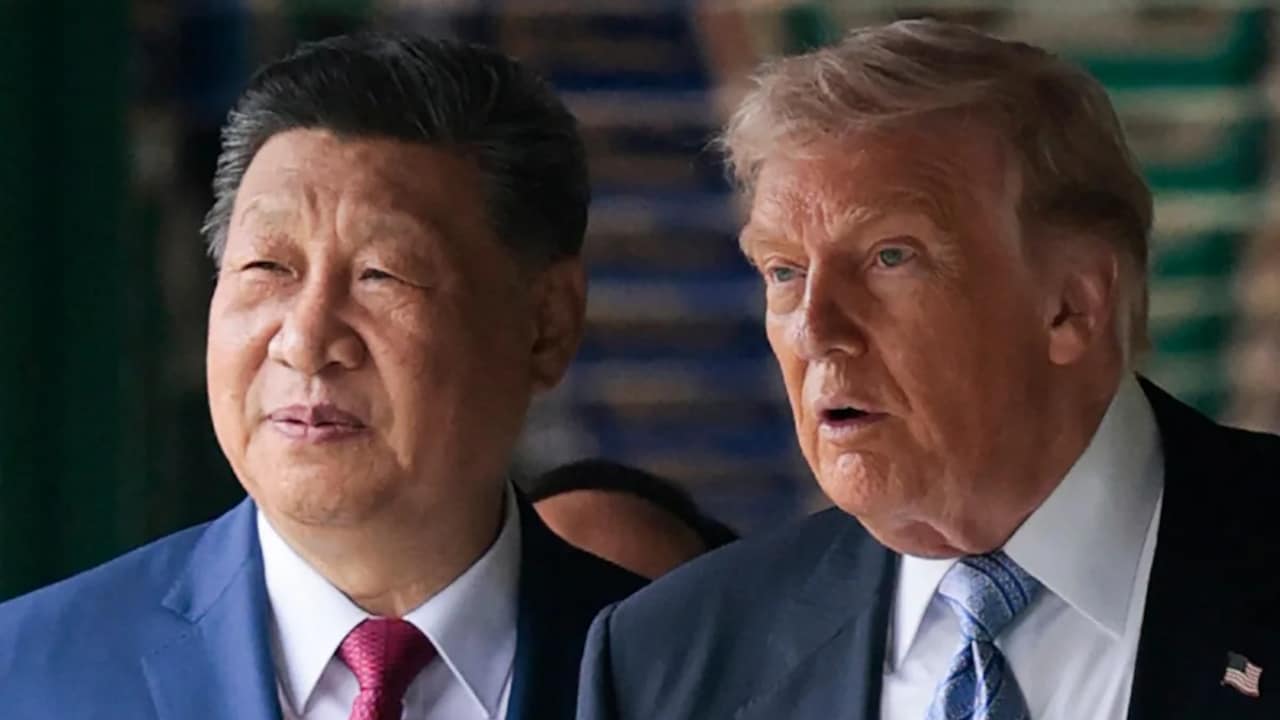
Amid these negotiations, former President Donald Trump publicly asserted that “all mines in the strait have been cleared,” echoing earlier statements but offering no verifiable evidence. His claim, while politically resonant, does little to ease commercial anxieties.
Historically, the Strait of Hormuz has been a flashpoint in several global crises—from the 1973 oil embargo to the Iran‑Iraq war—underscoring its outsized influence on world markets. Today, a functional corridor could once again become a linchpin for energy security.
Why This Matters
BozokMedia analysis shows that a functioning temporary corridor could stabilize global oil prices, reduce shipping insurance premiums, and ease geopolitical tensions in the Persian Gulf, while a continued US‑Iran impasse risks further market volatility.
"If Iran and Oman reach a deal, it could re‑ignite the flow of energy through a region that has been effectively shut down for months," says international energy analyst Dr. Ramesh Patel.
Frequently Asked Questions
Question 1: When could a temporary corridor become operational?
Answer: If negotiations progress and U.S. sanctions are eased, the corridor could be active within the next six months.
Question 2: What impact would the corridor have on global oil markets?
Answer: It would likely ease supply constraints, leading to lower prices and reduced shipping costs.