Tehran has vowed to withstand the most significant financial offensive ever launched by the US. As Washington tightens the noose on Iranian revenue, the global oil market braces for impact.
- The US has launched 'Operation Economic Outcast' to sever Iran's global financial ties.
- Iranian Economy Minister Ali Madanizadeh claims Tehran has a two-year resilience plan.
- US Treasury Secretary Scott Bessent warns third-party nations against trading with Iran.
- China and Russia have signaled strong opposition to the unilateral US measures.
In a massive escalation of geopolitical tensions, the United States has announced a sweeping financial offensive against Iran, which Treasury Secretary Scott Bessent has dramatically termed an 'economic D-Day'. The objective is clear: to isolate the Iranian regime from the global economy and block every potential source of revenue used to fund its activities.
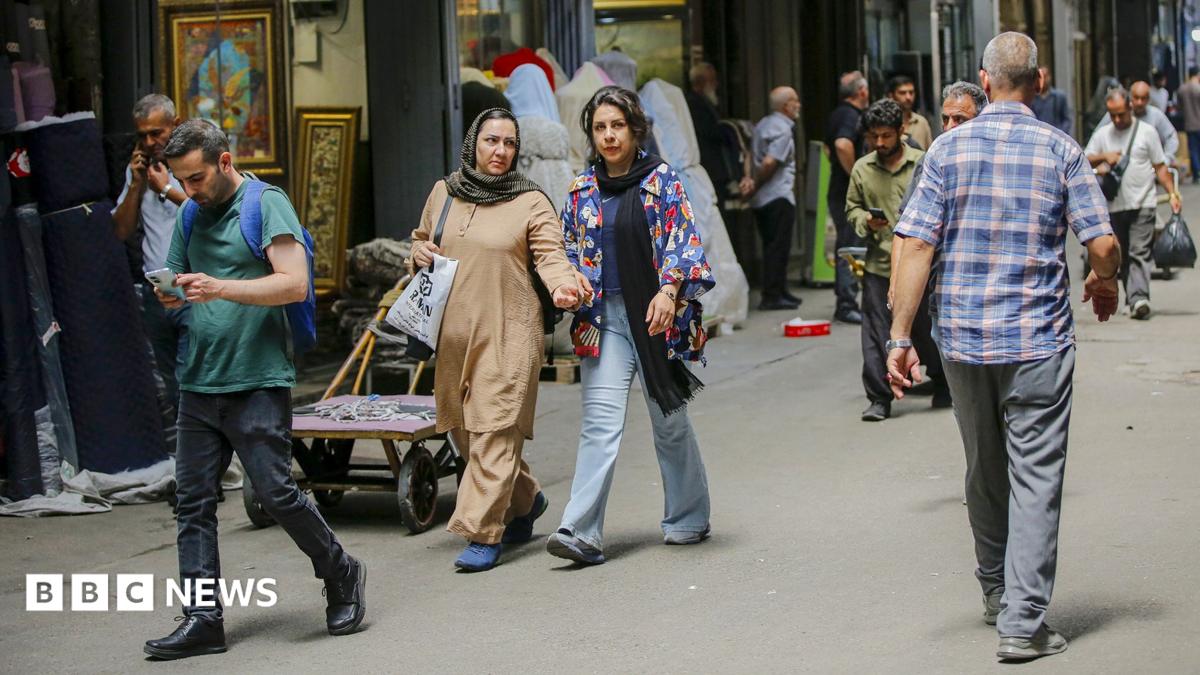
Responding to the announcement, Iranian Economy Minister Ali Madanizadeh expressed unwavering confidence, stating that Tehran is 'fully prepared' for the onslaught. Madanizadeh suggested that these aggressive measures would ultimately result in 'another defeat' for the United States, claiming that the Iranian government has been implementing a two-year contingency plan to manage such economic shocks.
Why This Matters
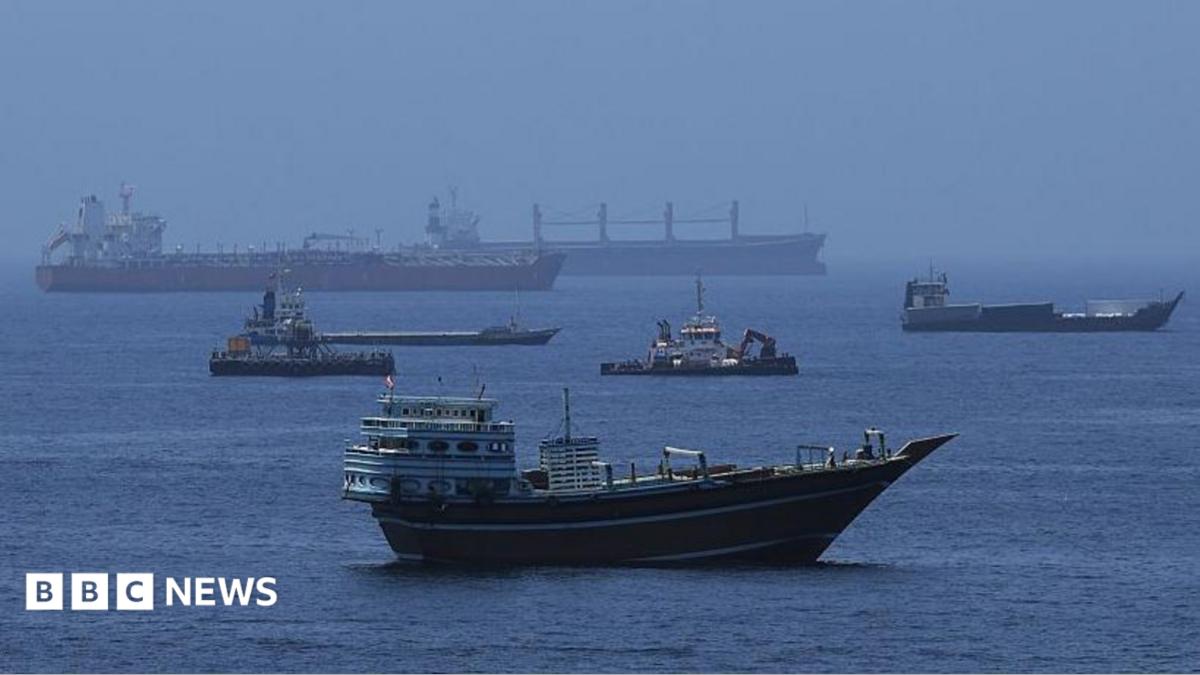
BozokMedia analysis shows that this confrontation transcends bilateral tension, posing a direct threat to global energy security. The conflict centers around the Strait of Hormuz, a vital maritime chokepoint through which one-fifth of the world's oil and gas flows. Any disruption here could trigger a massive spike in global energy prices and widespread economic instability.
'We are no longer managing the Iranian threat; we are ending it.' - Scott Bessent, US Treasury Secretary
The US Treasury's strategy, dubbed 'Operation Economic Outcast', targets five critical sectors: digital assets, technology, gold, aviation, and shipping. By mapping out the networks used to evade sanctions, the US aims to force a choice upon the world: either embrace global normalcy or face total isolation alongside Iran.
However, the efficacy of this 'economic onslaught' remains a subject of intense debate among economists. David Oxley of Capital Economics noted that the direct impact might be a 'damp squib' because roughly 90% of Iran's oil exports are destined for China, a nation that has consistently ignored unilateral US sanctions in favor of its own strategic interests.
| Stakeholder | Stance | Primary Motivation |
|---|---|---|
| United States | Aggressive Offensive | Complete financial isolation of the Iranian regime. |
| Iran | Defensive Readiness | |
| China | Opposition | Protecting trade interests and resisting unilateralism. |
Frequently Asked Questions
1. What sectors are being targeted by the new US sanctions?
The US has specifically identified digital assets, technology, gold, aviation, and shipping as key sectors used by Iran to evade financial restrictions.
2. How has China responded to these measures?
China has firmly opposed the sanctions, calling them 'illegal unilateral measures' and stating it will continue to safeguard its own economic interests.