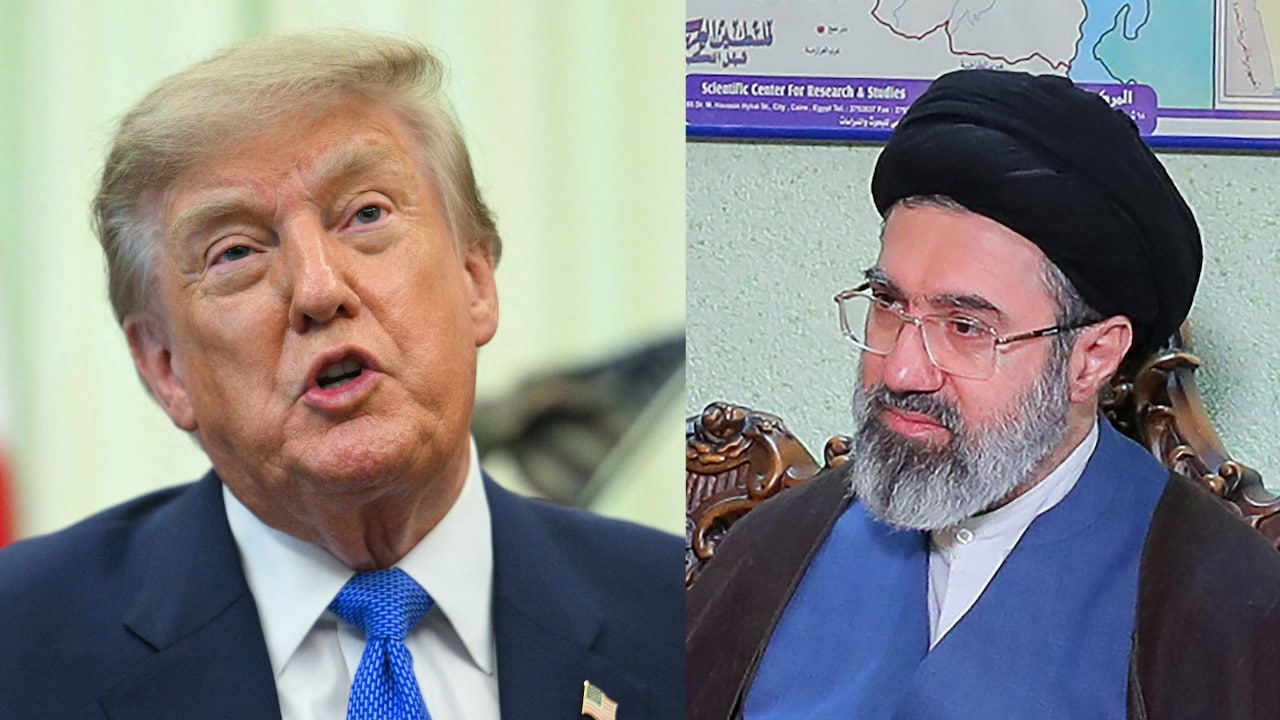
Tehran has issued a stern warning of military retaliation and oil export cuts following the expansion of US economic sanctions. The tension marks a critical escalation in the ongoing geopolitical standoff between Iran, the US, and Israel.
- Iran threatens military response to widened US sanctions.
- Tehran may slash oil exports from the Gulf to destabilize energy markets.
- Tensions remain high six months after US and Israeli strikes on Iranian territory.
The geopolitical landscape in the Middle East has reached a boiling point as Tehran declares it is "fully prepared" to respond to the widening of economic sanctions imposed by the United States. This escalation comes as the Trump administration seeks to tighten the financial noose around the Islamic Republic, aiming to curb its nuclear ambitions and regional influence.
In a series of official statements, Iranian authorities have not only hinted at diplomatic protests but have explicitly threatened a military response. The rhetoric suggests that Iran may target strategic assets or employ proxy forces to signal its resolve to the West. This comes at a time when the region is already fragile, with memories of strikes launched by the US and Israel still fresh in the minds of regional actors.
Why This Matters
BozokMedia analysis shows that Iran's strategy is shifting from passive resistance to active deterrence. By threatening to reduce oil exports from the Gulf, Tehran is leveraging its position as a key energy provider to create global economic instability, effectively using the global oil market as a geopolitical weapon to force the US to reconsider its sanctions regime.
The intersection of energy security and military posturing makes this the most volatile period for the Persian Gulf in a decade.
Historically, the relationship between the US and Iran has been characterized by a cycle of sanctions and retaliation. From the 1979 revolution to the collapse of the JCPOA (Joint Comprehensive Plan of Action), the US has utilized economic warfare to isolate Tehran. However, Iran has consistently responded by increasing its missile capabilities and expanding its influence in Iraq, Syria, and Yemen.
The current threat to reduce oil exports is particularly concerning for global markets. Any disruption in the Strait of Hormuz, through which a significant portion of the world's oil passes, could lead to a price surge that would trigger inflation across Europe and Asia, putting pressure on the US administration from its own allies.
Frequently Asked Questions
Q: How might Iran retaliate militarily?
A: Retaliation could range from cyberattacks on US infrastructure to targeted strikes via regional proxies or direct missile launches.
Q: What is the goal of the US sanctions?
A: The primary goals are to limit Iran's ability to fund its military operations and to pressure the government into a new nuclear agreement.
