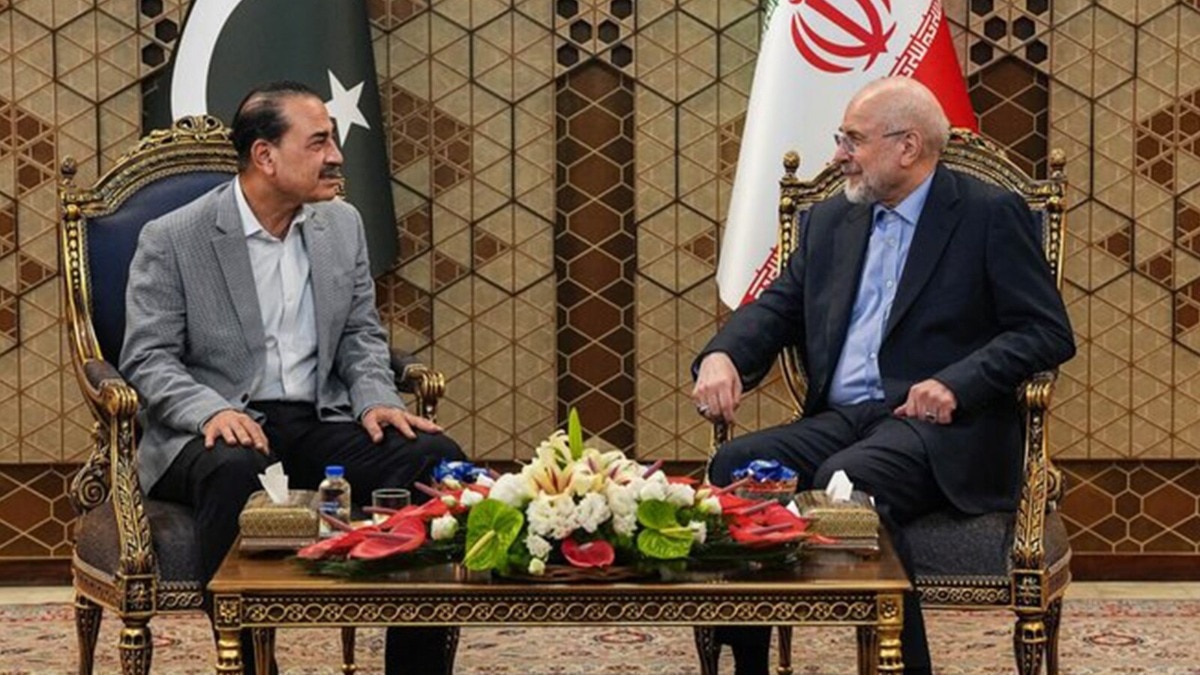
Pakistan Army Chief General Asim Munir and Interior Minister Mohsin Naqvi held high-level talks in Iran to discuss the US-Iran conflict and the restoration of the Islamabad MoU.
- Pakistan's top leadership, including Gen Asim Munir, met the Iranian President.
- Discussions focused on the US-Iran conflict and West Asian stability.
- The restoration of the Islamabad MoU is a key priority.
- Pakistan is positioning itself as a potential regional mediator.
In a significant move to influence Middle Eastern geopolitics, Pakistan has launched a high-stakes diplomatic initiative. Interior Minister Mohsin Naqvi confirmed that alongside Army Chief General Asim Munir, a high-level meeting was held with the President of Iran. The primary objective was to address the escalating tensions between the United States and Iran and to find a path toward regional stability.
The Path to Peace in West Asia
Sharing updates on social media, Naqvi described the discussions as "constructive and meaningful." A central pillar of the talks was the restoration of the Islamabad MoU. This memorandum of understanding, if revived, could serve as a cornerstone for bilateral cooperation and potentially act as a catalyst for broader peace in the West Asian region.
The success of this mediation depends heavily on the willingness of both Washington and Tehran to engage in dialogue.
BozokMedia analysis shows that Pakistan is attempting to leverage its unique position to act as a bridge. By engaging with Tehran at such a high level, Islamabad is signaling its intent to play a proactive role in global security, even amidst its own domestic challenges.
Why This Matters Globally
The friction between the US and Iran has direct implications for global energy security, particularly concerning the Strait of Hormuz. Any escalation in the conflict could disrupt global oil supplies and trigger economic instability worldwide. Pakistan's intervention seeks to create a diplomatic buffer to prevent direct military confrontation.
| Issue | Current Status | Pakistan's Proposal |
|---|---|---|
| US-Iran Relations | High Tension/Conflict | Mediation & Dialogue |
| Islamabad MoU | Inactive/Suspended | Full Restoration |
| Regional Stability | Volatile | Long-term Peace Roadmap |
Historically, Pakistan has navigated complex relationships with both the West and its neighbors. However, the current geopolitical climate demands a more sophisticated approach to prevent being caught in the crossfire of a larger superpower rivalry.
Frequently Asked Questions
1. What is the significance of the Islamabad MoU?
The MoU is a framework for bilateral cooperation that, if restored, could strengthen ties between Pakistan and Iran and aid regional peace.
2. Is Pakistan acting as an official mediator?
While not officially designated by the UN, Pakistan is actively presenting itself as a potential mediator to reduce tensions.