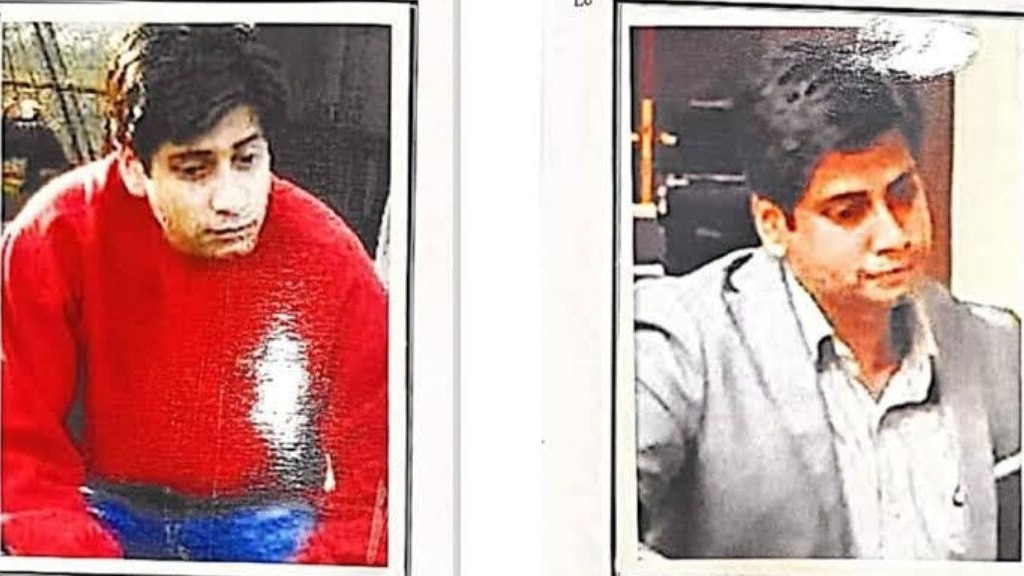
The family of retired Merchant Navy Captain Manmohan Singh Virdi has approached the UAE Embassy in New Delhi, seeking urgent intervention to speed up the extradition of prime accused Hussain Mohammed Shattaf.
- The extradition process for Hussain Mohammed Shattaf, accused in the 2006 murder of Captain Manmohan Singh Virdi, is ongoing.
- The victim's family has appealed to the UAE mission to coordinate with the Indian PMO and MEA.
- The Supreme Court of India restored the murder trial in 2023, but the proceedings remain stalled due to the accused's absence.
Nearly two decades after the brutal murder of retired Merchant Navy Captain Manmohan Singh Virdi, his family is making a desperate plea for justice. The family has formally approached the UAE Embassy in New Delhi, requesting urgent intervention to expedite the legal paperwork required for the extradition of the prime accused, Hussain Mohammed Shattaf.
Retired Captain Manjit Singh Virdi, the victim's brother and the original complainant, has urged the UAE mission to coordinate closely with Indian authorities and the Prime Minister's Office (PMO). He emphasized that the accused's prolonged absence from India has caused "immense hardship" to the family and has effectively paralyzed the criminal justice system.
Historical Background and Legal Context
The case dates back to 2006, when Captain Manmohan Singh Virdi was murdered in Lonavala. Following the incident, FIR No. 46 of 2006 was registered at the Lonavala City Police Station. The legal battle has been long and arduous, involving multiple layers of the Indian judiciary.
A major breakthrough occurred in May 2023, when the Supreme Court of India set aside a Bombay High Court order that had previously discharged the accused. The apex court restored the murder trial, allowing the legal proceedings to move forward in the Sessions Court at Wadgaon Maval, Pune. However, without the physical presence of the accused, the trial remains in a state of limbo.
Why This Matters
BozokMedia analysis shows that this case highlights the significant hurdles in international extradition treaties. Even with the Supreme Court's intervention, the reliance on bilateral diplomatic coordination and meticulous documentation can delay justice for decades, creating a sense of impunity for fugitives residing abroad.
Justice delayed is justice denied, especially in high-profile homicide cases involving international fugitives.
The family has raised serious concerns regarding Shattaf's immigration status, alleging that his passport expired in 2021 and that he has been residing illegally in the UAE since then. Furthermore, the representation mentions an Interpol notice and alleges that Shattaf is wanted in connection with other criminal activities, including forgery and criminal breach of trust.
The Ministry of External Affairs (MEA) has confirmed that India's extradition request was sent to the UAE. Spokesperson Randhir Jaiswal stated that the UAE side has requested additional documentation, a matter that New Delhi is actively working to resolve.
Frequently Asked Questions
1. Why is the extradition process currently delayed?
The UAE authorities have requested additional documentation to process the extradition request sent by the Indian government.
2. What was the Supreme Court's role in this case?
In 2023, the Supreme Court restored the murder trial after the Bombay High Court had previously discharged the accused.
