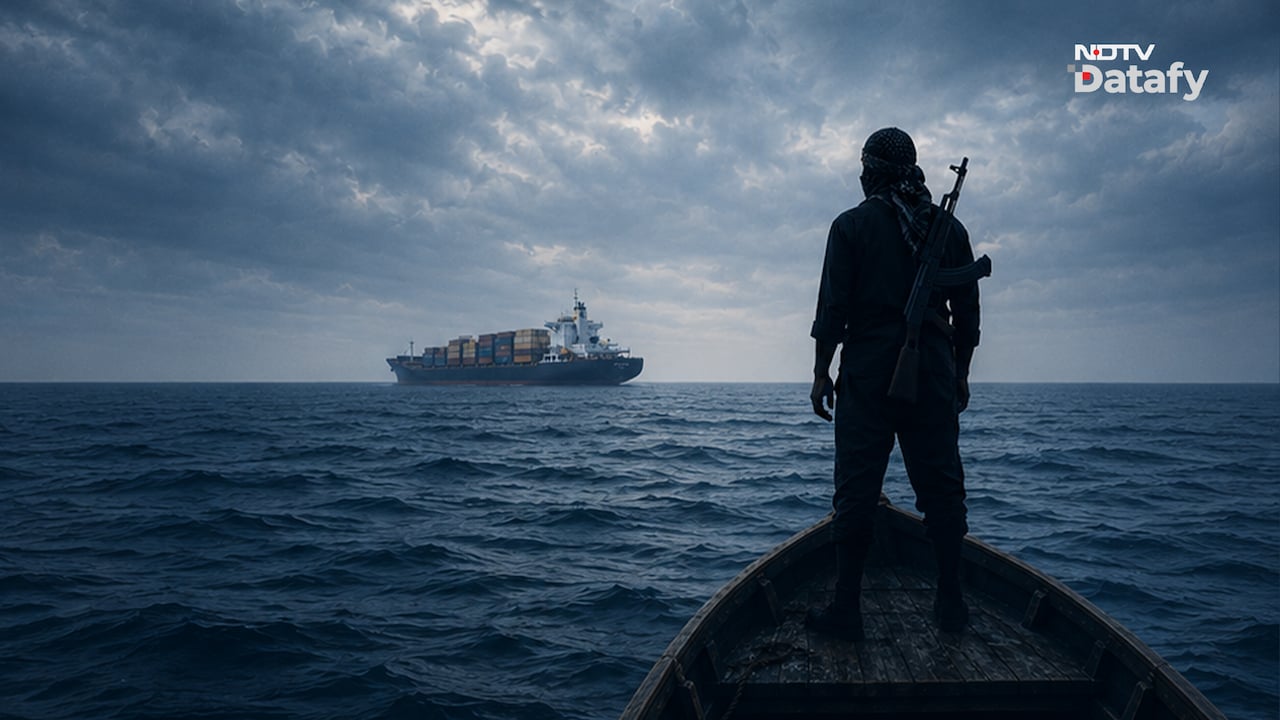
A dramatic spike in Somali pirate activity has disrupted maritime traffic, forcing global carriers to bypass the Red Sea in favor of longer routes around Africa.
- July saw the highest-ever spike in piracy-related maritime incidents.
- Increased instability in the Red Sea and Strait of Hormuz is disrupting global trade.
- Shipping carriers are opting for longer, safer routes around the southern tip of Africa.
The global maritime industry is facing a significant security crisis as Somali pirate attacks have seen a dramatic resurgence. Recent data indicates that July recorded the highest number of piracy-related incidents, marking a dangerous trend for international shipping lanes. This spike has sent shockwaves through the logistics sector, threatening the stability of global trade.
With maritime traffic increasingly disrupted around the Strait of Hormuz and the Red Sea, shipping carriers are facing an impossible choice between speed and safety. To mitigate the risk of hijacking and violent boarding attempts, major shipping lines are increasingly forced to divert their vessels away from these volatile corridors.
Why This Matters
BozokMedia analysis shows that this shift in maritime strategy has profound economic implications. By avoiding the Red Sea, ships are now navigating around the southern tip of Africa, via the Cape of Good Hope. This detour significantly increases transit times, fuel consumption, and operational costs, which will inevitably trickle down to consumer prices worldwide.
The resurgence of piracy in these corridors represents a critical failure in maritime security that could reshape global logistics for months to come.
The strategic importance of the Red Sea cannot be overstated, as it serves as a primary artery for trade between Asia and Europe. The current instability, compounded by regional geopolitical tensions, has created a perfect storm for maritime criminal elements to exploit.
Historical Background
Somali piracy first emerged as a major global threat in the mid-2000s, driven by illegal fishing and instability within Somalia. While international naval task forces succeeded in suppressing these activities for several years, the recent breakdown in regional security has allowed piracy to resurface with renewed aggression.
Frequently Asked Questions
Question 1: How will this affect the cost of goods?
Answer: Increased fuel costs and longer transit times typically lead to higher freight rates, which can increase the price of imported goods.
Question 2: Why is the Red Sea currently so dangerous?
Answer: A combination of regional geopolitical conflicts and the resurgence of piracy has made the area a high-risk zone for commercial vessels.