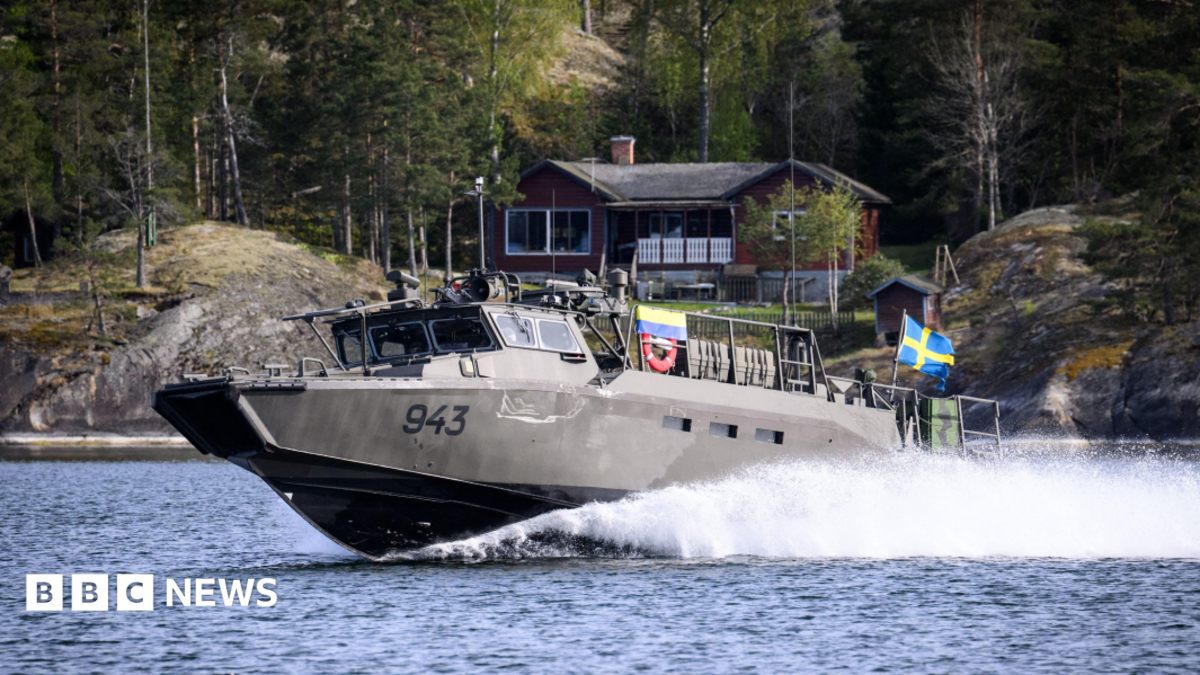
Sweden's armed forces have requested the government to seize a Russian-owned plot near the Muskö Naval Base, citing significant drone threats and national security concerns.
- Swedish military seeks to expropriate a plot near the strategic Muskö Naval Base.
- The move is driven by fears of Russian drone surveillance and tactical advantages.
- The property is linked to a businessman with alleged Russian state connections.
In a decisive move to bolster national defense, Sweden's armed forces have formally requested the government to expropriate a property located near the critical Muskö Naval Base in the Stockholm archipelago. The military cited both the current ownership status of the land and the escalating threat posed by Russian drones as the primary drivers for this urgent request.
Investigations by Swedish media suggest that the property is being developed into a luxury residence by a businessman with purported links to the Russian state. While the legal owner is his wife, who holds dual Russian and Swedish citizenship, the military views the location as a strategic vulnerability. Public broadcaster SVT has described the property as a 'thorn in the side' of the armed forces, complicating security protocols in the area.
The Evolution of Warfare Threats
The Swedish military emphasized that the landscape of modern warfare has shifted dramatically due to the proliferation of drone technology. The specific geography of the Muskö plot provides unique conditions that could be exploited for tactical reconnaissance. By securing this land, the military aims to strengthen the defensive perimeter of the naval base against aerial incursions.
Sweden is facing the most serious security situation since the end of World War Two.
Defence Minister Pål Jonson has underscored the necessity of this action, stating that Sweden must ensure no foreign entity gains tactical visibility or an intelligence edge regarding its military installations. This heightened state of alert follows Sweden's historic decision to abandon two centuries of military non-alignment to join NATO following the invasion of Ukraine.
Historical Background
For centuries, Sweden maintained a policy of military neutrality. However, the geopolitical shift caused by the conflict in Ukraine forced a radical realignment. Since joining NATO, Sweden has become increasingly vigilant regarding Russian influence within its borders, particularly concerning individuals or assets that could serve as intelligence assets for the Kremlin.
Why This Matters
BozokMedia analysis shows that this development highlights the growing trend of 'hybrid threats,' where private land ownership and commercial activities are scrutinized for their potential to facilitate military espionage in a post-neutrality era.
Frequently Asked Questions
Question 1: Why is the property near Muskö considered a threat?
Answer: The military fears that the location could be used for surveillance and drone-based intelligence gathering by Russian-linked actors.
Question 2: Has the Swedish government approved the seizure?
Answer: The military has made the formal request, and the government is currently reviewing the security implications.


