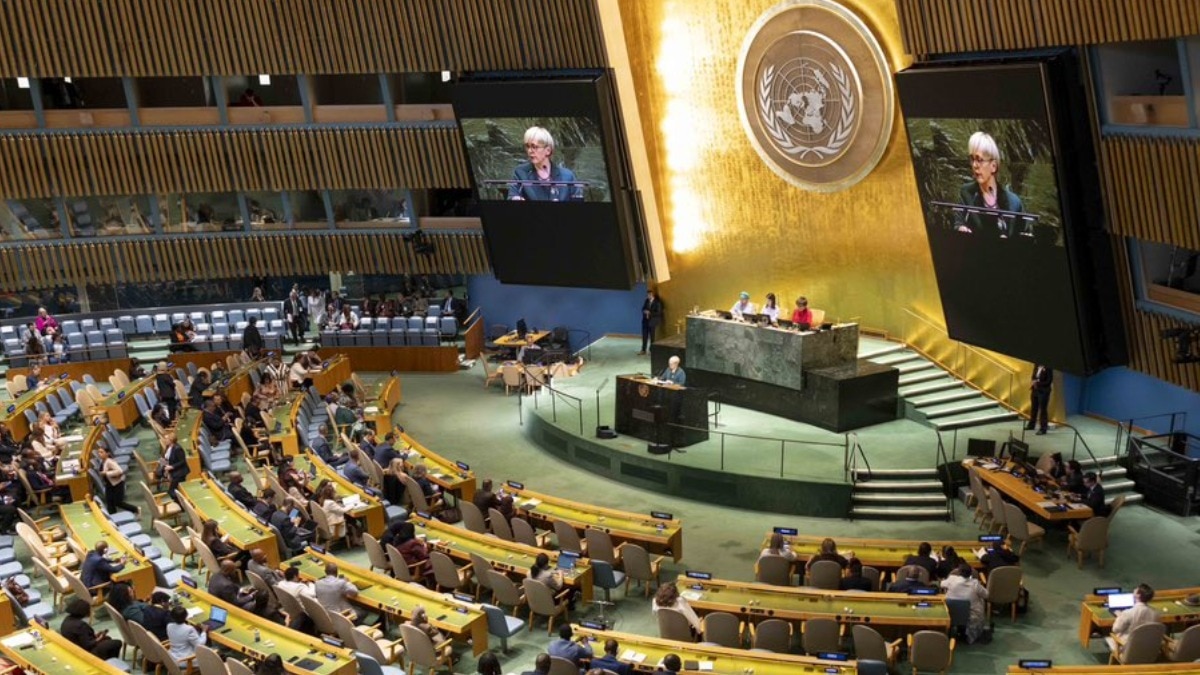
The UN Committee on the Elimination of Racial Discrimination (CERD) has called on India to investigate reports of extrajudicial killings, torture, and systemic violence against Dalits, tribal groups, and Bengali-speaking Muslims.
- UN's CERD expressed grave concern over violence against Dalits, Scheduled Tribes, and Bengali-speaking Muslims.
- The committee highlighted issues of extrajudicial killings, racial profiling, and excessive use of force.
- India has been urged to investigate these allegations and ensure justice for vulnerable groups.
The United Nations Committee on the Elimination of Racial Discrimination (CERD) has formally urged India to launch investigations into alleged extrajudicial killings, torture, and systematic abuse targeting Dalits, tribal groups, and Bengali-speaking Muslims. The committee, composed of 18 independent human rights experts, expressed deep concern regarding the scale of violations reportedly perpetrated by law enforcement officials.
According to the findings, these violations include racially motivated violence, the excessive use of force, arbitrary and prolonged detention without due process, and instances of sexual violence. The UN watchdog emphasized that the world's most populous nation must urgently address hate crimes and racial profiling that disproportionately affect marginalized communities and non-citizens.
Why This Matters
BozokMedia analysis shows that these findings place significant international scrutiny on India's internal security apparatus and its commitment to constitutional safeguards. As India navigates its role as a rising global power, its handling of minority rights and the protection of vulnerable castes remains a critical metric for international diplomatic relations and human rights compliance.
The gap between constitutional guarantees and ground-level enforcement remains the most significant challenge for India's human rights landscape.
The committee also raised alarms regarding the targeting of Rohingya, migrants, and asylum-seekers. It noted that identity checks and police stops often involve racial profiling, leading to arbitrary arrests and mistreatment. Furthermore, CERD expressed concern over the forced returns and deportations of individuals seeking international protection, urging India to refrain from collective expulsions.
Historical Background
The Convention on the Elimination of All Forms of Racial Discrimination came into force in 1969. CERD monitors how its 182 member states adhere to these principles, which mandate the eradication of segregation and the guarantee of equality before the law. This review marks a significant milestone, as it was the first time since 2007 that India appeared before the committee, led by Solicitor General Tushar Mehta.
Frequently Asked Questions
1. What is the role of CERD?
CERD is a UN body of experts that monitors how countries implement the convention to eliminate racial discrimination.
2. How did India respond to the report?
The Indian mission highlighted the country's pluralism, diversity, and the robust legal frameworks in place to ensure dignity and equality for all citizens.
