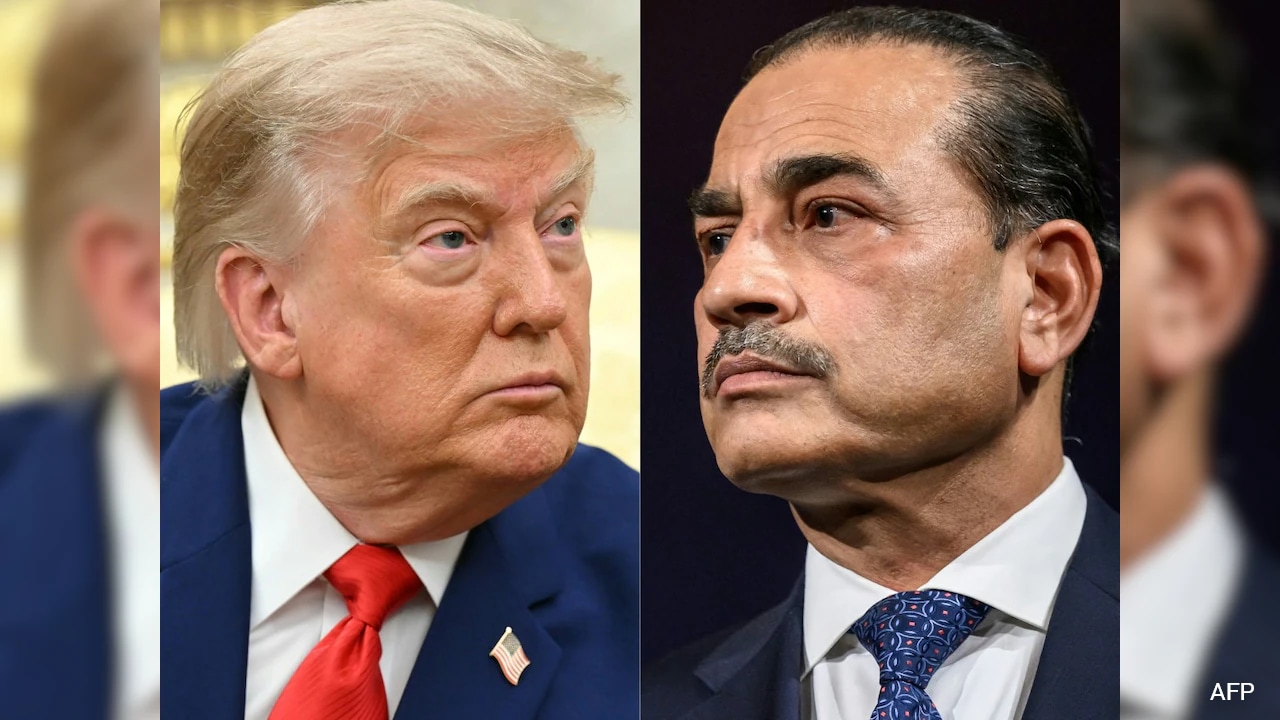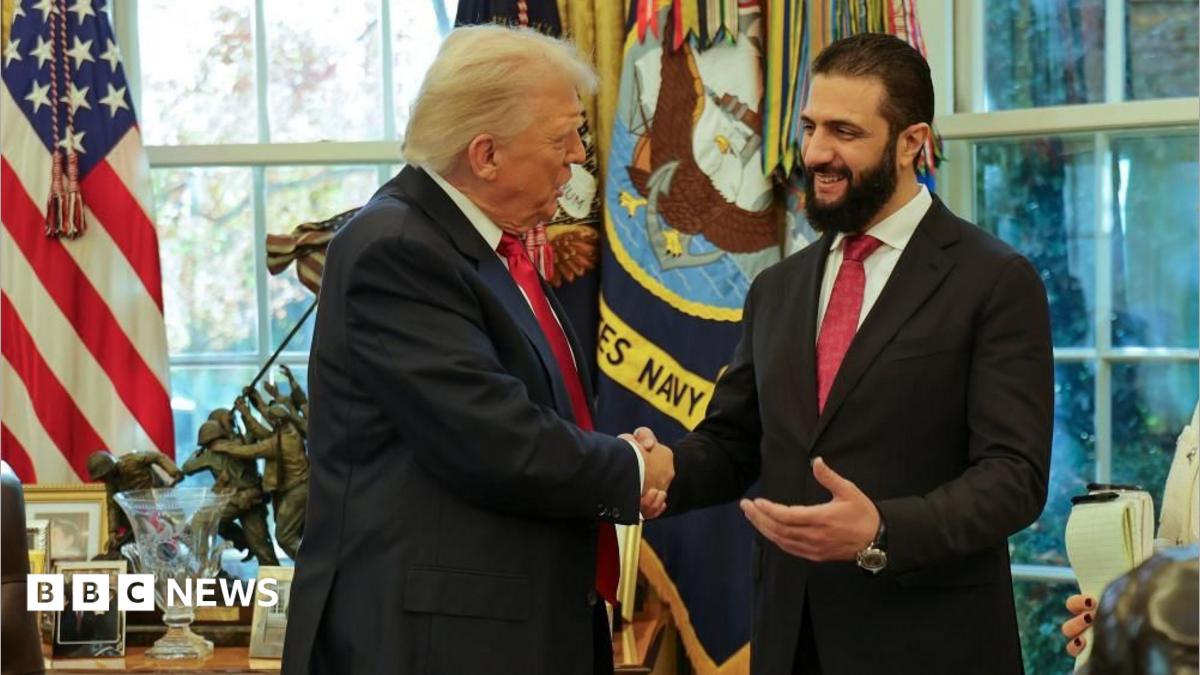
The Trump administration announced that Syria is no longer a state sponsor of terrorism, opening doors for private investment and economic reintegration while highlighting lingering security concerns.
- Syria removed from US state sponsors of terrorism list after 47 years.
- Ahmed al-Sharaa, once a bounty target, now receives diplomatic welcome.
- Only three countries—Cuba, North Korea and Iran—remain on the list.
The United States officially took Syria off its "state‑sponsored terrorism" list, ending decades‑long sanctions that have been in place since 1979. Secretary of State Marco Rubio framed the move as recognition of the Syrian government’s steps to fully distance itself from international terrorism.
The Trump administration has embraced Syria’s new president, Ahmed al‑Sharaa, a former al‑Qaeda militant who once carried a U.S. bounty. His Islamist group, Hayat Tahrir al‑Sham (HTS), was also removed from the U.S. list of global terrorist organisations.
HTS, previously known as the al‑Nusra Front, severed ties with al‑Qaeda in 2016. In late 2024, the group led the rebel offensive that ousted former President Bashar al‑Assad and now dominates Sharaa’s transitional administration.
Historical Background
Syria has been on the US state‑sponsor list since 1979, subjecting it to financial sanctions, aid restrictions and arms export bans. Only three nations have ever been removed: Cuba (2015), South Africa (1994) and Vietnam (1994).
Why This Matters
BozokMedia analysis shows that the decision is part of a broader US strategy to pull Syria away from Russian and Chinese spheres of influence, lure investment for reconstruction, and manage rising tensions with neighbours Israel and Turkey.
"Syria’s reintegration hinges on both political stability and economic reform; otherwise the move remains largely symbolic," says regional expert Dr. Rachel Levine.
| Country | Years on List |
|---|---|
| Syria | 1979‑2024 |
| Cuba | 1982‑2015 |
| North Korea | 1988‑Present |
| Iran | 1984‑Present |
Frequently Asked Questions
Will Syria now fully re‑enter the global financial system?
Possibly, but access to U.S. and European banking will still depend on compliance with a series of conditions.
Does this move improve security in the Middle East?
It is a hopeful signal, yet enduring extremist networks and regional rivalries keep the security outlook uncertain.